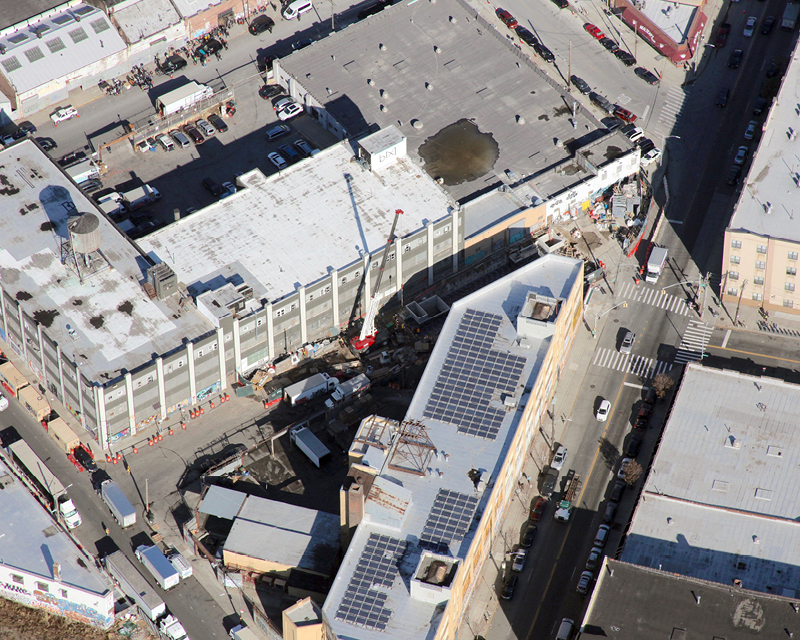
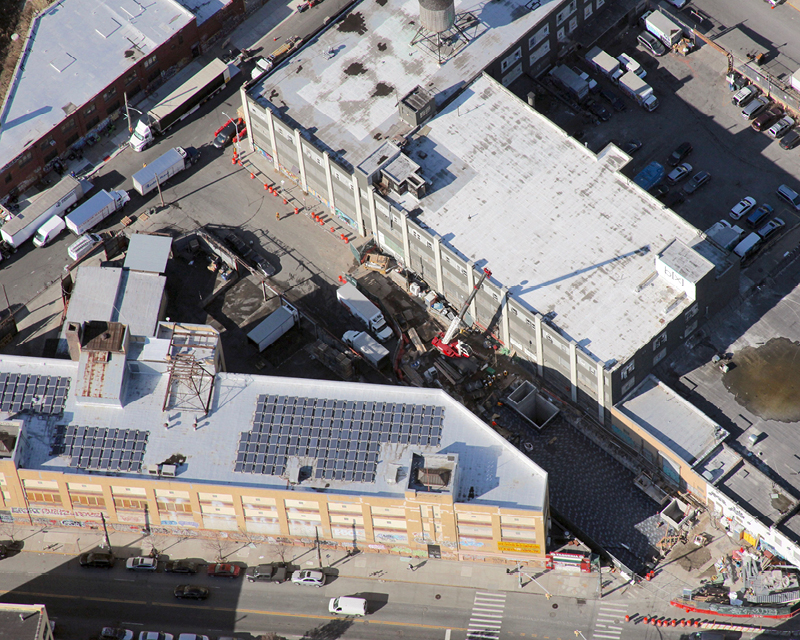
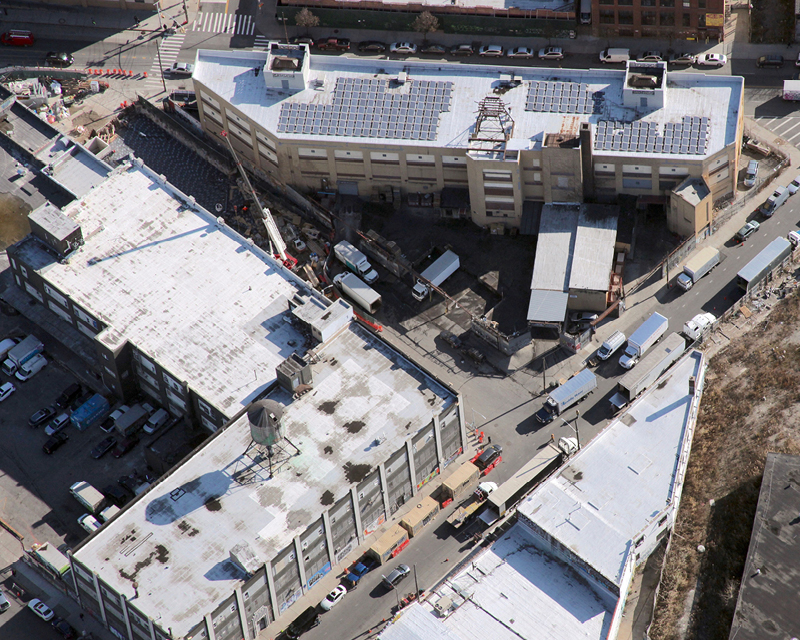
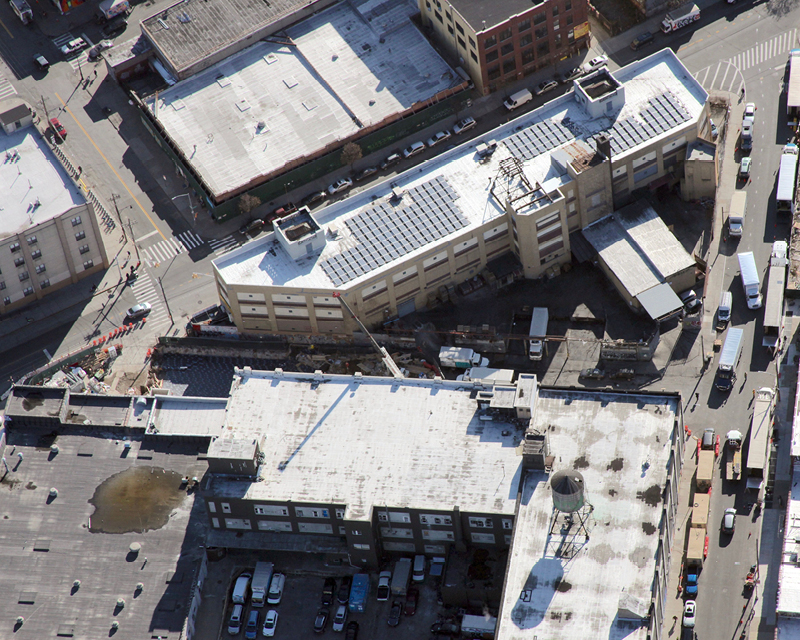
As part of New York City Transit’s Fast Forward plan, the Metropolitan Transportation Authority is installing state‑of‑the‑art Communication Based Train Control (CBTC) across key subway corridors to improve service reliability and increase capacity. To maximize the benefits of CBTC on the L line, three new substations are being designed and built to supply the additional traction power needed for more frequent train service. STV was selected as the lead designer for one of these substations, a below‑grade facility in Brooklyn that delivers modern electrical, mechanical and communications systems supporting the upgraded train control technology.
What challenges did STV address?
The substation had to be designed for construction in difficult geotechnical conditions, including loose running sand, gravel and a high groundwater table. STV needed to coordinate structural, electrical and systems requirements in a confined urban footprint while ensuring the facility’s reliability and resilience. Integrating the substation into an active rail environment also required careful planning to maintain safe operations and meet aggressive program schedules.
What solutions did STV deliver?
As lead designer for the design–build team, STV developed plans for the complete below‑grade facility, including all new electrical, mechanical and communications equipment. The team advanced detailed civil, structural, geotechnical, signals, traction power and systems integration designs that addressed complex foundation and groundwater challenges. Through close coordination with RailWorks and L K Comstock, STV delivered a fully integrated substation whose design supports CBTC operations and long‑term system performance.
How does this project benefit the region?
By enabling CBTC‑powered train frequency improvements on the L line, the substation supports faster, more reliable subway service on one of the system’s most heavily used routes. The project strengthens network resiliency, enhances rider experience and advances modernization efforts across the nation’s busiest transit system. Its engineering achievement earned a Platinum Award from the American Council of Engineering Companies of New York.
Key stats and accolades
- Lead designer for design–build delivery
- New below‑grade substation with modern electrical and communications systems
- Designed for challenging soil and groundwater conditions
- Supports CBTC implementation on the L line
- ACEC New York EEA winner