Facing a projected 50% population increase over the next 25 years, the Knoxville Regional Transportation Planning Organization (TPO) initiated the Regional Transit Corridor Analysis to determine which corridors could be transit-ready within a decade. STV evaluated eight candidate corridors to identify opportunities for high-quality transit and transit-oriented development, helping the region position itself for future investment while advancing a more competitive, sustainable transportation network.
What challenges did STV address?
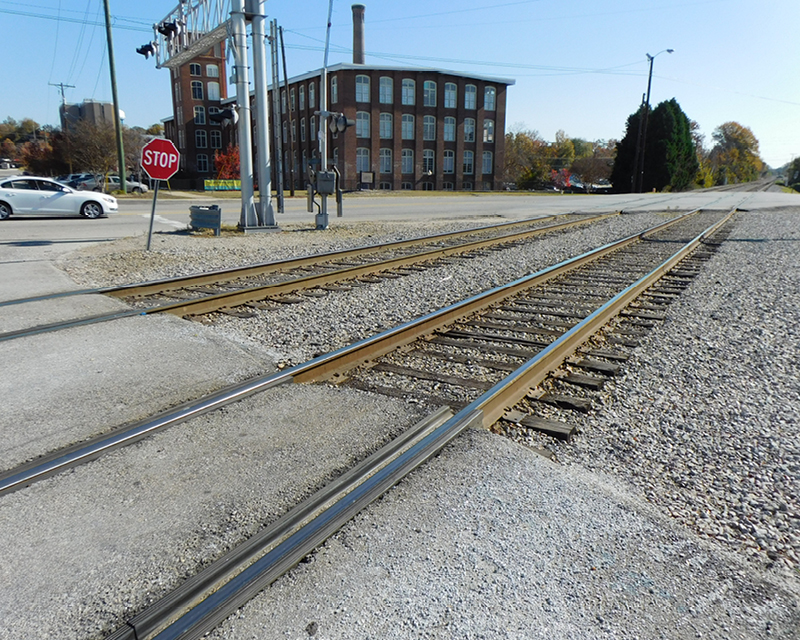
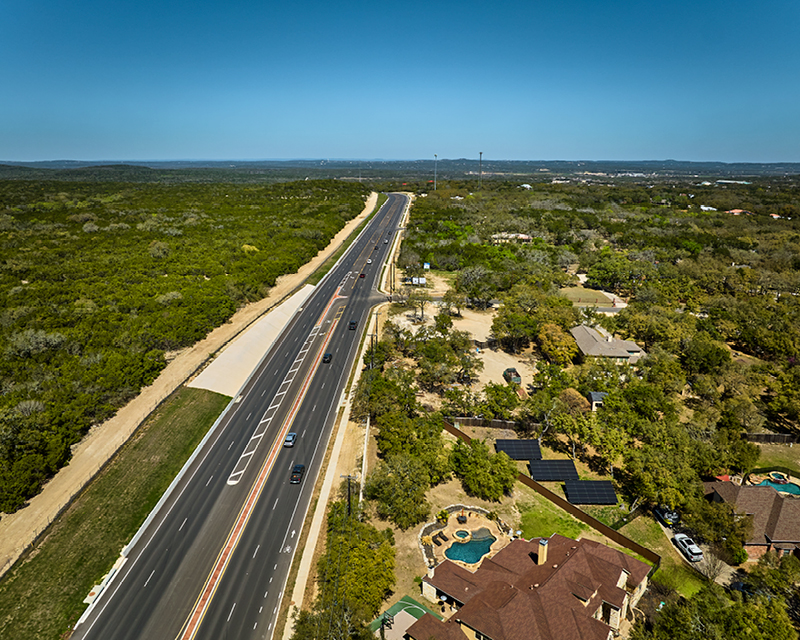
Each corridor presented unique constraints that complicated near-term transit readiness. Right-of-way limitations, challenging topography and existing roadway conditions constrained technology choices and alignment options. At the same time, the analysis needed to balance these physical challenges against opportunities such as transit-dependent populations, proximity to employment centers, land-use potential and connections to existing transit services. Ensuring public understanding and stakeholder buy-in across multiple jurisdictions added another layer of complexity.
What solutions did STV deliver?
STV led a comprehensive, data-driven evaluation of the eight corridors, weighing costs, benefits, trade-offs, and long-term regional impacts. The team established and managed a public involvement plan supported by visualization and traffic simulation tools to communicate alternatives clearly. STV developed evaluation measures, estimated order-of-magnitude capital costs, and prepared a preliminary financial plan. For priority corridors, the firm incorporated a transit network and enhanced mode-choice model to forecast ridership and user benefits, supporting credible alternatives aligned with Federal Transit Administration Small Starts and New Starts criteria.
How does this project benefit the Knoxville region?
The analysis provides a clear, defensible roadmap for transit investment, helping Knoxville advance realistic, fundable projects that support mobility, economic development and sustainable growth. By aligning transportation planning with land use, walking, cycling, and public transit, the study strengthens the region’s readiness for future federal funding and long-term transit implementation.
Key Stats and Accolades
- Evaluation of eight regional transit corridors
- Focus on 10-year transit readiness horizon
- Ridership forecasting using enhanced mode-choice modeling
- Developed to support FTA Small Starts / New Starts competitiveness