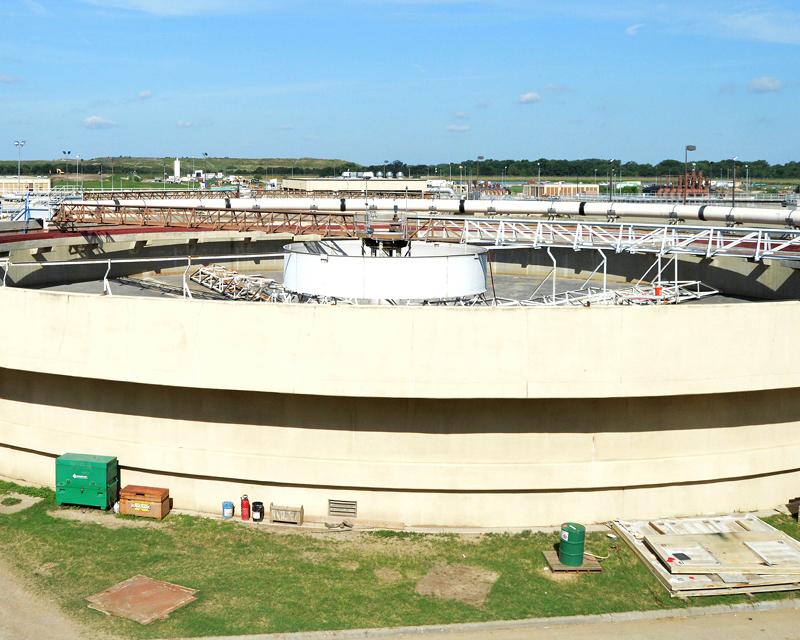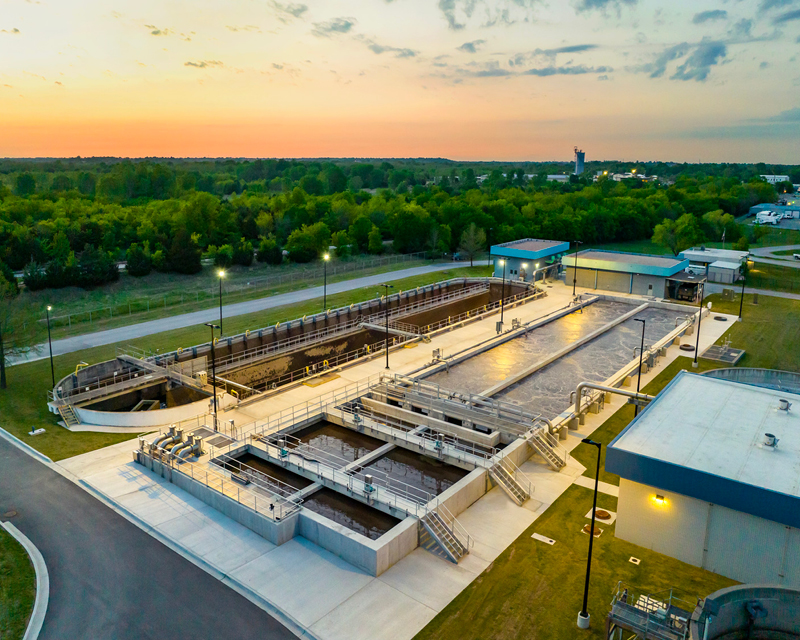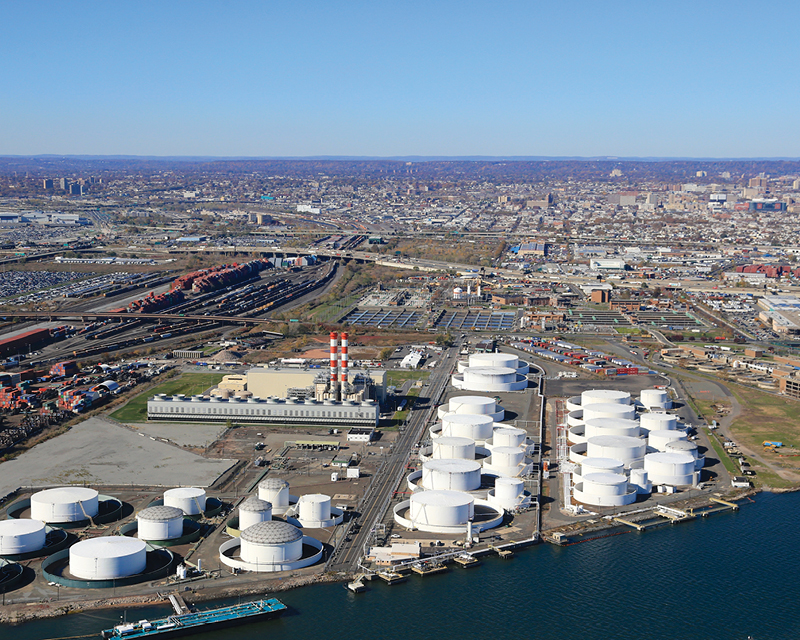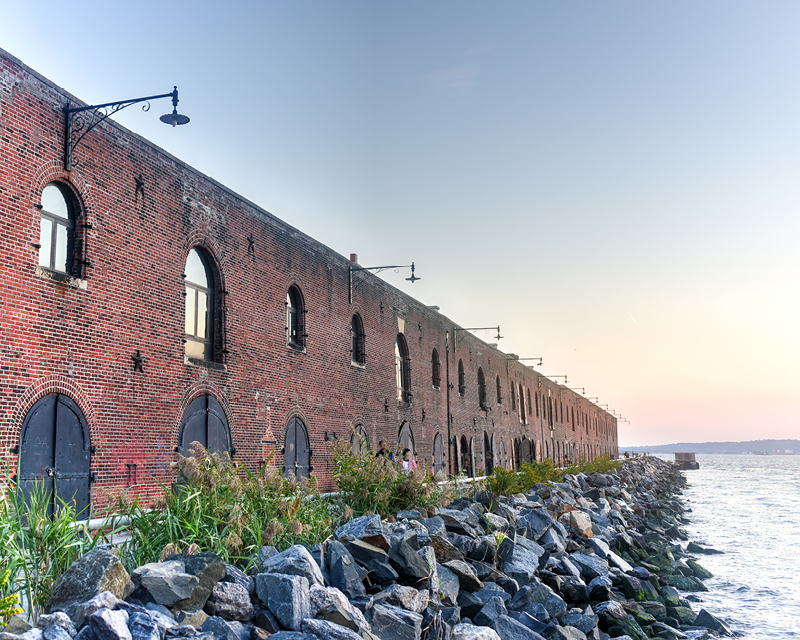
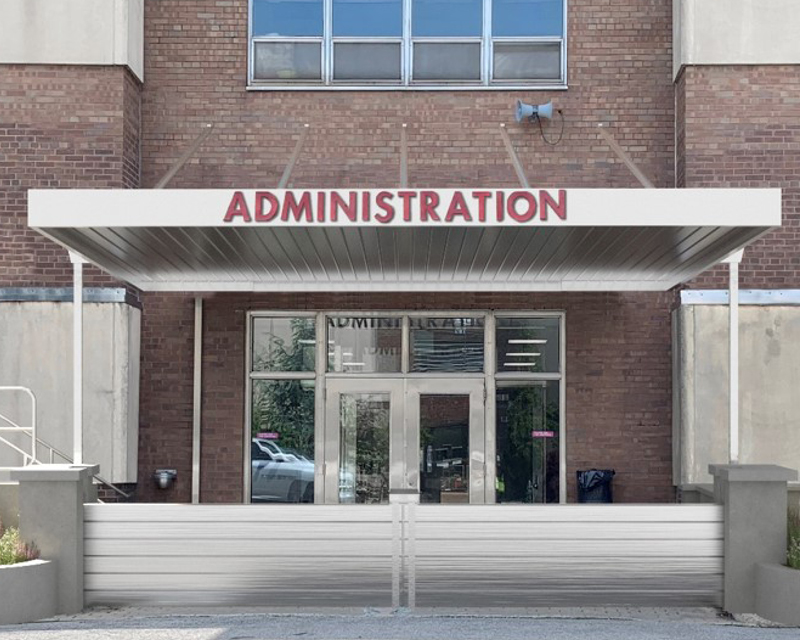
Since opening in 1987, the Red Hook Wastewater Resource Recovery Facility (WRRF) has played a crucial role in serving Brooklyn residents and protecting New York Harbor’s water quality. Following the widespread damage caused by Superstorm Sandy in 2012, New York City agencies prioritized strengthening essential infrastructure against future storm events. The New York City Department of Environmental Protection (DEP) launched a strategic effort to fortify Red Hook WRRF and secure continuous wastewater treatment operations even during extreme weather.
What challenges did STV address?
Superstorm Sandy exposed the vulnerability of waterfront infrastructure across New York City – including the Red Hook facility, where flooding threatened vital equipment, electrical systems and process operations. DEP needed a comprehensive resiliency strategy that would protect assets across multiple buildings, elevate critical systems above anticipated flood levels and maintain operational reliability during future storm surges.
What solutions did STV deliver?
STV provided architectural, structural, electrical and HVAC design services for a suite of facility-wide resiliency upgrades. This included a new submersible pump design, wall reinforcement and extensive flood‑proofing measures across seven buildings, the plant’s underground tunnel system and its electrical substation. STV’s design elevated essential equipment and electrical panels above the Design Flood Elevation while safeguarding remaining assets with waterproof enclosures so the WRRF can withstand future extreme weather events.
How does this project benefit the region?
By hardening the Red Hook WRRF against coastal storm impacts, the project enhances wastewater treatment reliability for hundreds of thousands of Brooklyn residents. The upgrades reduce service disruption risk, protect the surrounding environment and support New York City’s long-term climate resilience strategy. The facility is now better equipped to withstand severe storms, preserving public health, environmental quality and essential services for the community.
Key Stats and Accolades
- Critical resiliency improvements across 7 buildings, process areas, tunnel system and substation
- Elevated equipment and electrical panels above Design Flood Elevation
- New submersible pump design and wall reinforcement
- Comprehensive architectural, structural, electrical and HVAC design services
- Flood‑proofing and waterproof enclosure integration for essential systems