The Sonoma–Marin Area Rail Transit (SMART) Initial Operating Segment delivers a reliable, fuel‑efficient travel alternative along the busy US 101 corridor in the North Bay. As part of the Stacy & Witbeck/Herzog design‑build team, STV served as lead designer for the 42‑mile segment between San Rafael and Santa Rosa. The program modernized key rail infrastructure to support a growing region and introduce a high‑quality commuter rail option that connects communities with safe, efficient mobility.
What challenges did STV address?
The corridor required extensive upgrades to aging freight rail infrastructure to support modern passenger service. SMART needed to replace or rehabilitate decades‑old bridges, improve safety at numerous grade crossings and enhance operational flexibility through new passing sidings. Maintaining freight service during construction and managing work across environmentally sensitive areas added significant complexity.
What solutions did STV deliver?
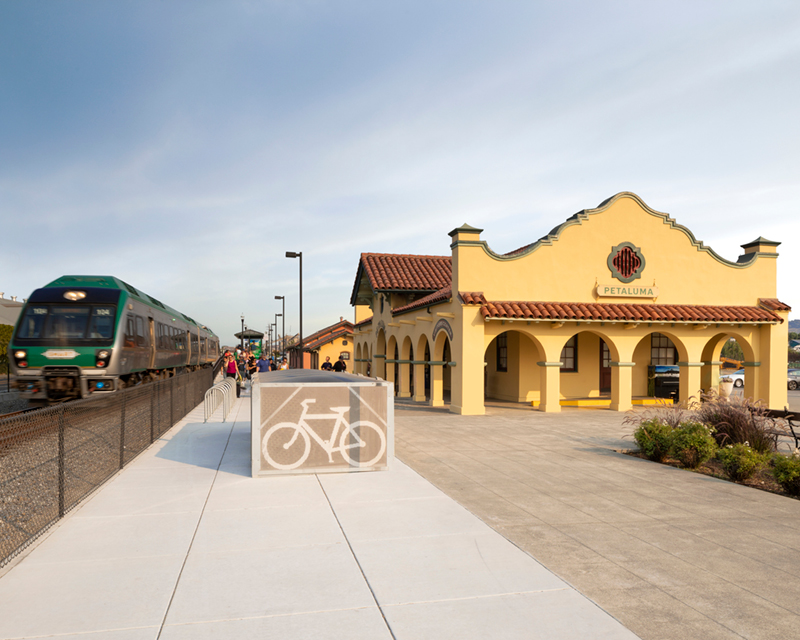
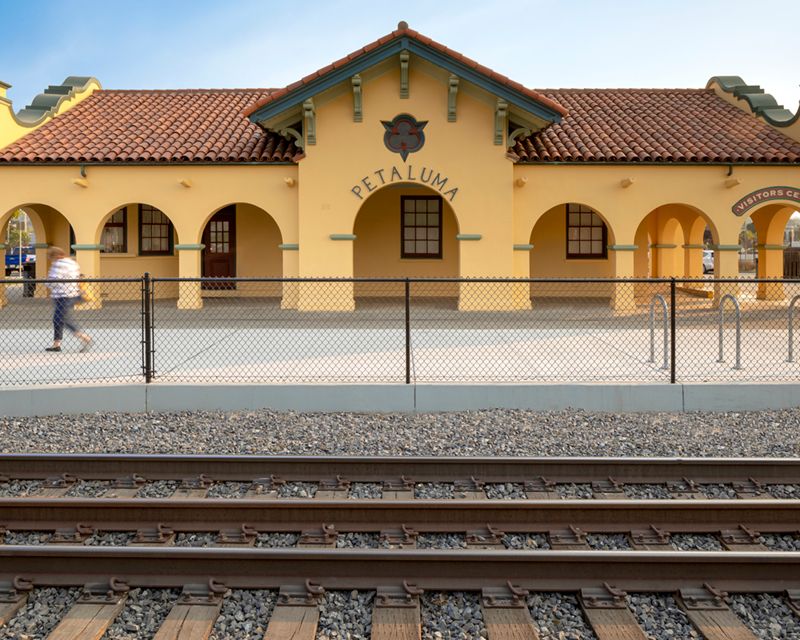
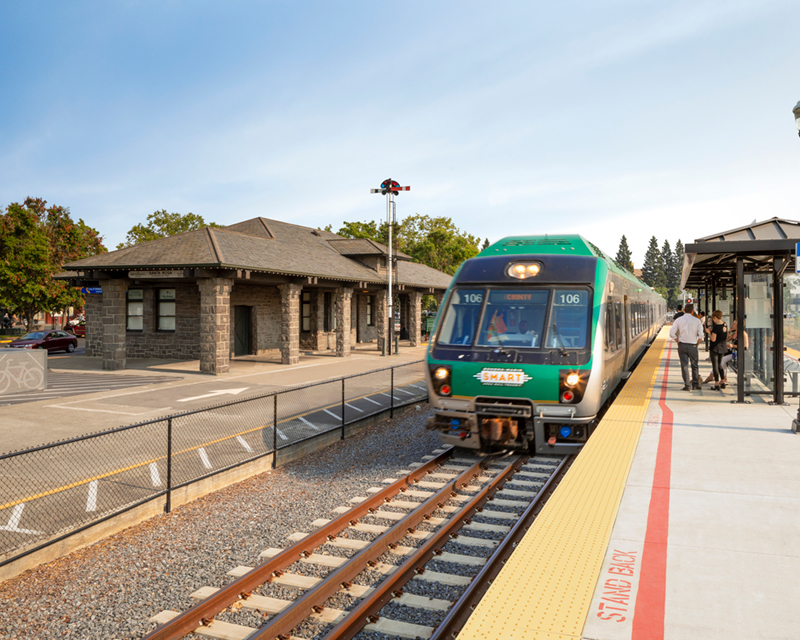
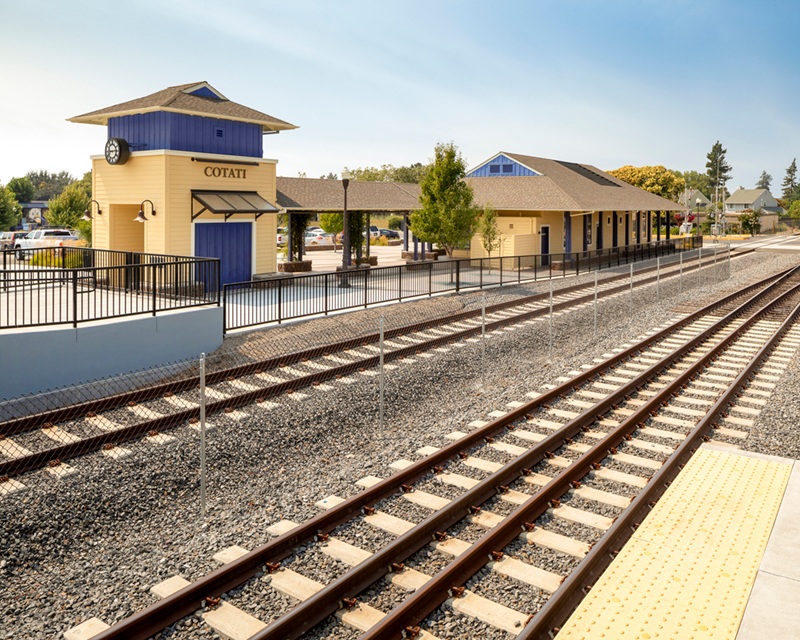
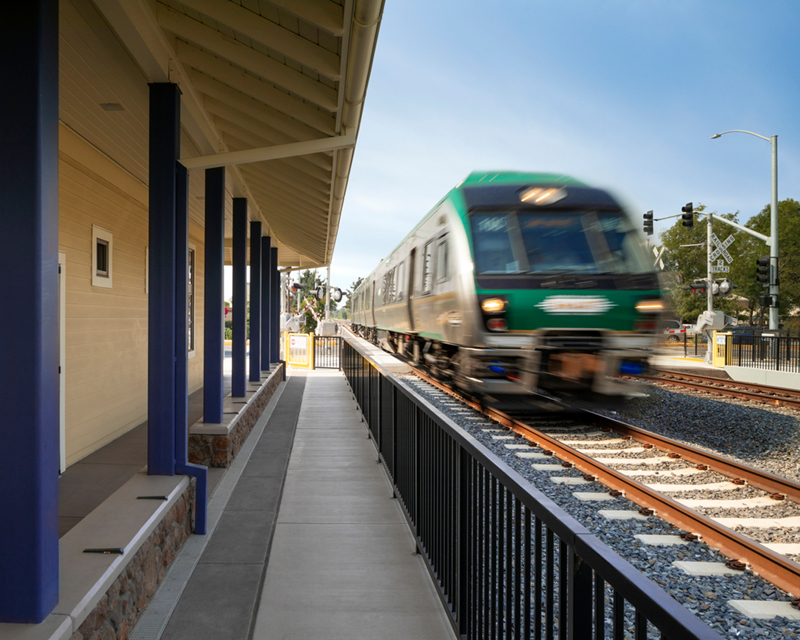
STV designed major corridor improvements including the repair, rehabilitation or full replacement of 25 bridges, upgrades to more than 40 grade crossings, installation of new passing sidings and development of eight new passenger platforms. The team delivered the 211‑foot Upper Petaluma River Bridge, replacing a 100‑year‑old timber structure with a seven‑span steel and concrete bridge built in just 10 days to minimize disruption to freight operations.
How does this project benefit the region?
SMART strengthens mobility along one of the region’s most congested corridors, offering a sustainable transit alternative that reduces reliance on US 101. The project enhances connectivity between key residential and employment centers while supporting environmental resilience and long‑term growth across Sonoma and Marin counties.
Key stats and accolades
- 42‑mile initial operating segment
- 25 bridges repaired, rehabilitated or replaced
- More than 40 grade crossing upgrades
- 211‑foot Upper Petaluma River Bridge built in 10 days