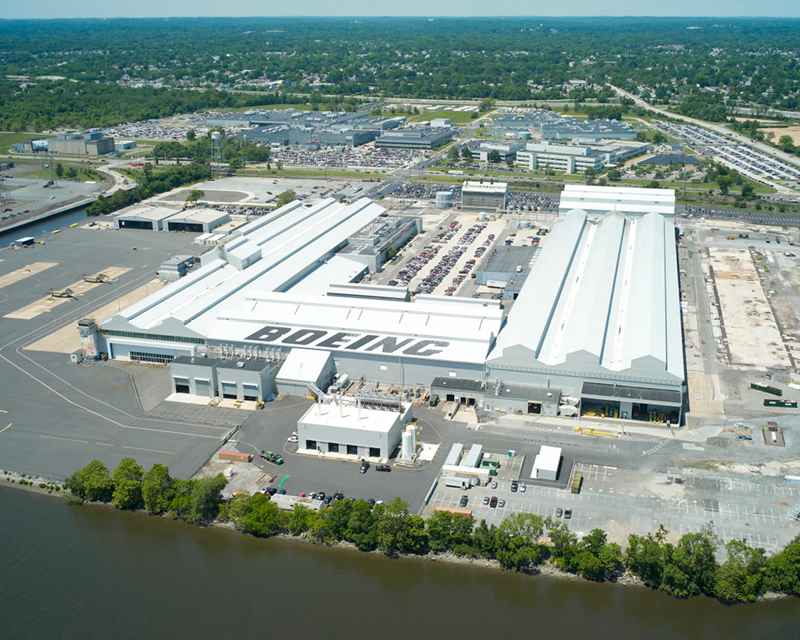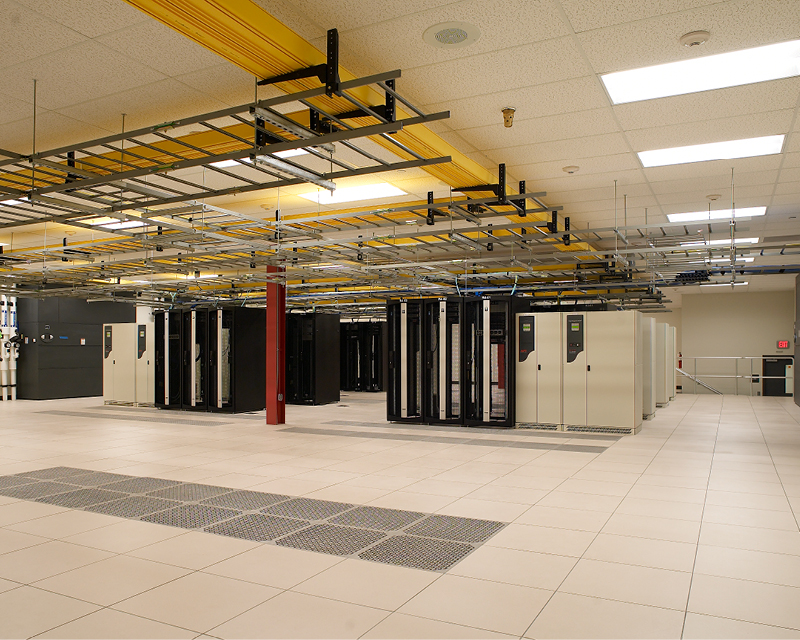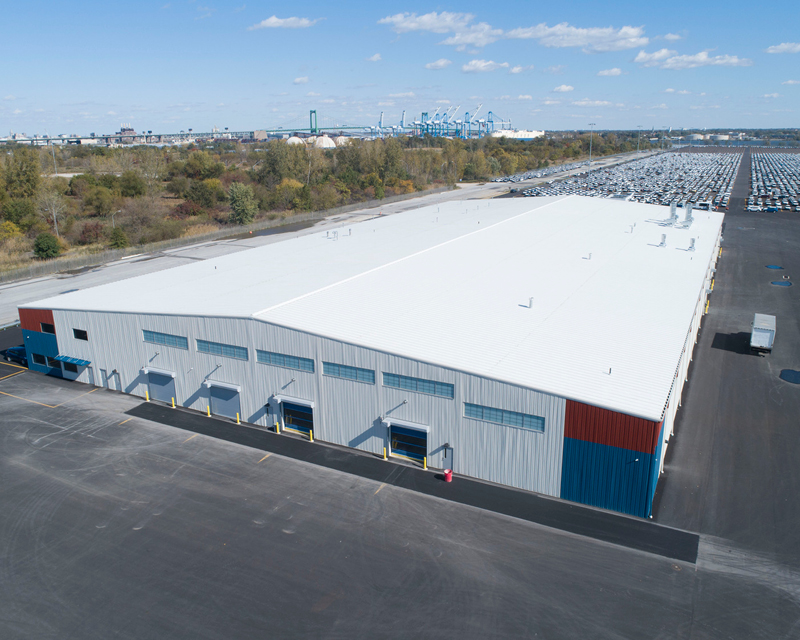
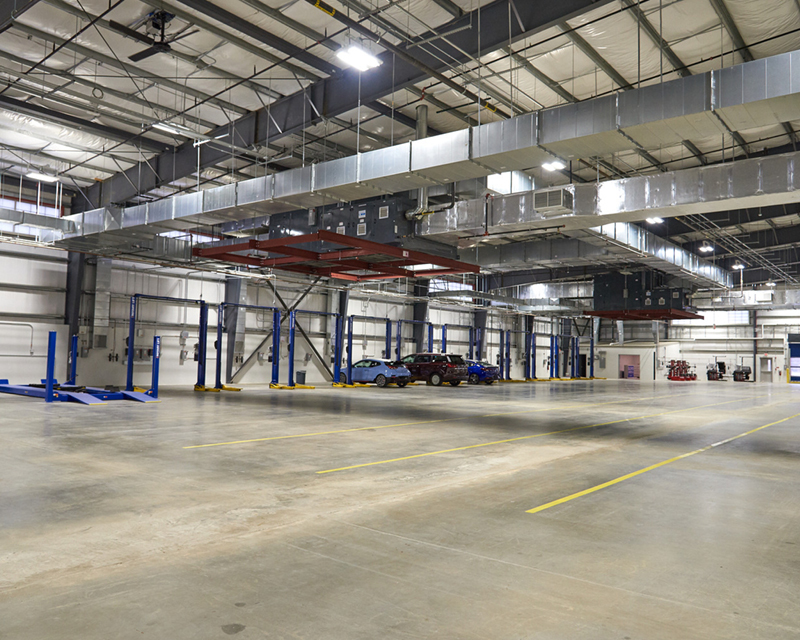
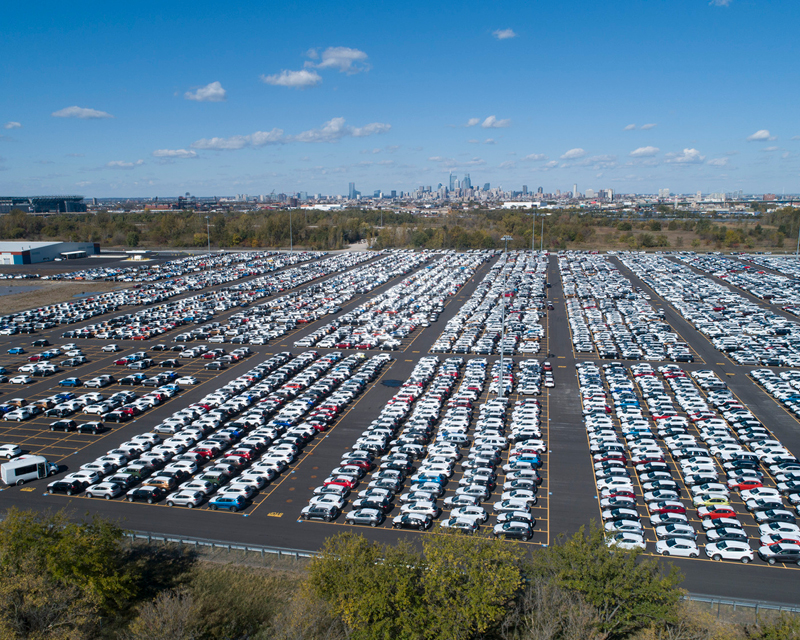
The Port of Philadelphia’s (PhilaPort) Southport Auto Terminal and Vehicle Processing Center (VPC) marks the port’s first new terminal in more than 45 years and significantly expands its automotive import capabilities. Spanning 155 acres, the facility can process more than 200,000 vehicles from Korea and Mexico each year. The new VPC building supports high‑efficiency operations, enabling service of up to 200 cars per hour and processing of more than 1,000 vehicles daily before shipment to dealerships across the East Coast.
What challenges did STV address?
PhilaPort needed a modern, large‑scale processing complex capable of supporting rapid throughput, specialized vehicle preparation and long‑term operational resilience. The site’s proximity to the Delaware River floodplain required strategic design interventions to mitigate flood risk. Additionally, the port required specialized body‑shop spaces, paint booths and training facilities to meet increasing automotive import demands.
What solutions did STV deliver?
Under a multi‑year task order contract, STV provided comprehensive architectural and engineering design services for the VPC. The design included a state‑of‑the‑art body shop with two car washes, double prep stations and dual joined paint booths. STV also designed extensive training and multi‑purpose spaces and incorporated explosion‑proof paint storage. To ensure long‑term resilience, the entire site was raised five feet – well above the 100‑year floodplain.
How does this project benefit freight and the surrounding region?
The new terminal enhances PhilaPort’s competitiveness, supports regional economic growth and strengthens the East Coast automotive supply chain. Beyond improving processing efficiency, the project helped secure a $20.3 million INFRA grant, enabling future upgrades across other port facilities.
Key stats and accolades
- 155‑acre terminal
- Processes 200,000+ vehicles annually
- 200 vehicles serviced per hour
- 1,000+ vehicles processed daily
- Site elevated 5 feet above 100‑year floodplain
- Supported $20.3M INFRA grant award