As STV continues to support clients in delivering increasingly complex programs, the organization’s building design practice plays a crucial role in advancing projects at the intersection of science, healthcare, technology and infrastructure. In markets like Boston – where innovation, regulation and long-term planning converge – success depends on integrating technical expertise with multidisciplinary collaboration.
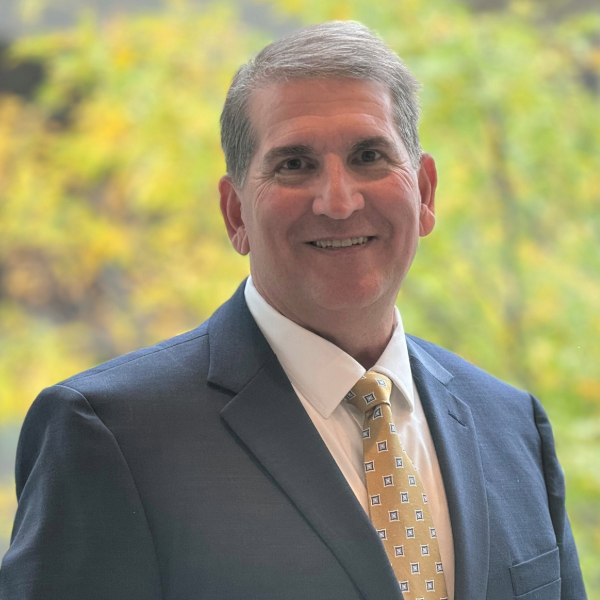
Josh Rownd, senior vice president and Boston area manager for STV’s buildings group, brings nearly four decades of experience leading laboratory, research and high-tech facility projects nationwide. Working closely with teams across architecture, engineering and advisory services, Rownd helps position STV to support clients not only with individual facilities, but with broader programs that often connect buildings, campuses and infrastructure systems.
In this Q&A, Rownd shares his perspective on Boston’s evolving facilities landscape, the importance of planning in highly technical environments and how STV’s integrated approach helps clients navigate complexity across markets.
1. In your role leading STV’s buildings practice in Boston, how are you helping position the firm for continued growth in the region?
My focus has been on building on the strong foundation already in place while helping position STV for long-term growth across multiple markets. That includes strengthening our buildings practice while also working closely with colleagues in transportation, program and construction management, advisory and other services and disciplines to support clients with increasingly interconnected needs.
Boston is a highly integrated market – institutions here don’t operate in silos, and neither should we. By leveraging STV’s multidisciplinary capabilities, we’re able to support clients not just with individual facilities, but with broader campus planning, program delivery and long-range strategies that align with their mission.
2. How do you see Boston’s life sciences and research facilities market evolving right now?
The market is becoming more strategic. While innovation remains a priority, clients are placing greater emphasis on flexibility, efficiency and long-term performance. That often means renovations, adaptive reuse and phased development are just as crucial as new construction.
Facilities need to support evolving research methods, new technologies and changing regulatory standards. Our role is to help clients plan for that uncertainty – designing environments that can adapt over time without compromising safety, compliance or operations.
3. Much of your career has focused on laboratories and highly technical environments. What’s critical to getting these projects right?
Planning is everything. In laboratories, cleanrooms and other similar environments, small decisions can have significant downstream impacts on operations, safety and costs. Successful projects begin with a thorough understanding of how spaces will be utilized – both today and in the future.
That requires close collaboration with stakeholders, a strong grasp of building systems and an appreciation for how architecture and engineering intersect. Whether we’re working on a research lab, a manufacturing facility or a data-driven environment, our goal is to translate complex requirements into spaces that function seamlessly for the people who rely on them.
4. How does STV differentiate itself when delivering complex facilities and programs?
STV’s strength lies in combining technical depth with practical delivery experience. Many of our projects involve occupied facilities, phased construction or strict regulatory oversight, and our teams understand how to navigate those challenges without disrupting ongoing operations.
Just as importantly, we bring a program-level mindset. Facilities rarely exist in isolation – they’re often part of larger capital programs that include infrastructure, utilities, transportation access and long-term operational planning. By working collaboratively across disciplines, we help clients make informed decisions that support both immediate project goals and broader program objectives.
5. Looking ahead, how do you see STV continuing to support clients as projects and programs grow more complex?
Across all markets, clients are looking for partners who can bring clarity to complexity; whether that’s navigating regulatory requirements, integrating new technologies or delivering projects within active, occupied environments. STV’s ability to do that consistently is what sets the firm apart.
As projects become more interconnected, success depends on collaboration, technical skills and a deep understanding of how facilities fit into larger systems. By combining strong leadership, integrated teams, and a client-first mindset, STV is well positioned to help organizations move forward with confidence…