In conversations about the future of architecture, strength is often thought of in terms of structure – steel beams, concrete walls and the ability to withstand wind loads. However, true strength in design is more expansive: it encompasses durability, yes, but also adaptability, resilience and continuity.
This year’s World Architecture Day theme – Design for Strength – offers a timely call to action. Rather than chasing short-term fixes, architects must prioritize resilience, rebuildability and long-term performance in every design decision. At STV, that means embedding strength into how we imagine, plan and deliver the built environment.
Strength in Design: More Than Structural Might
Strength isn’t just about resisting forces – it’s about responding, recovering and evolving. It’s designing systems and spaces that can absorb change, adapt to new challenges and support communities through uncertainty. When architecture is conceived with strength at its core, it becomes a foundation for endurance.
A Platform for Resilience: Projects That Live the Message
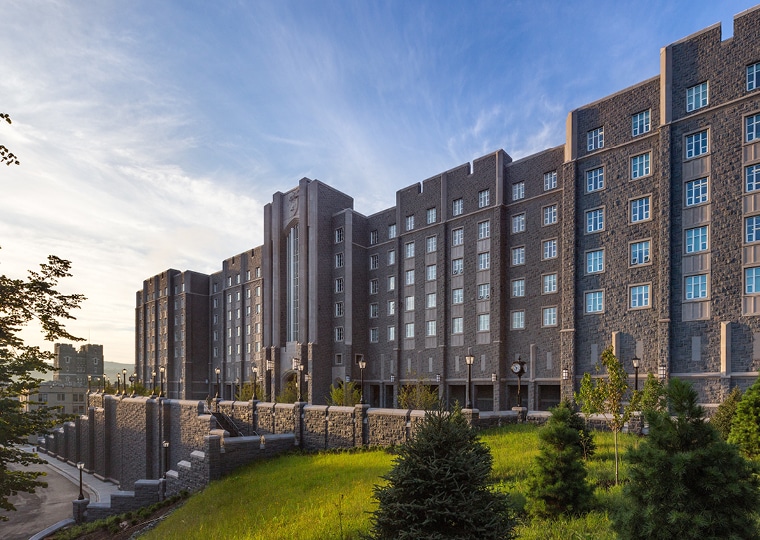
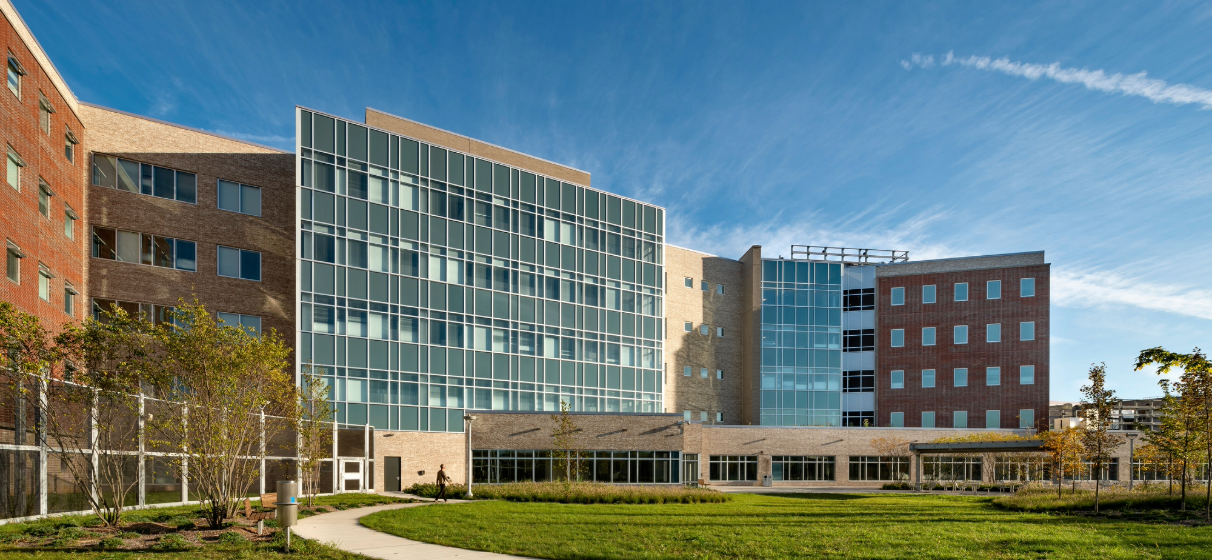
This philosophy comes to life across the diverse projects we deliver. In healthcare, the South Beach Psychiatric Center Residential Building in Staten Island demonstrates how resilience and human-centered design can work in tandem. Here, flood-resistant systems and durable materials safeguard critical operations, while therapeutic, patient-focused spaces create environments that promote healing and dignity even in the face of disruption.
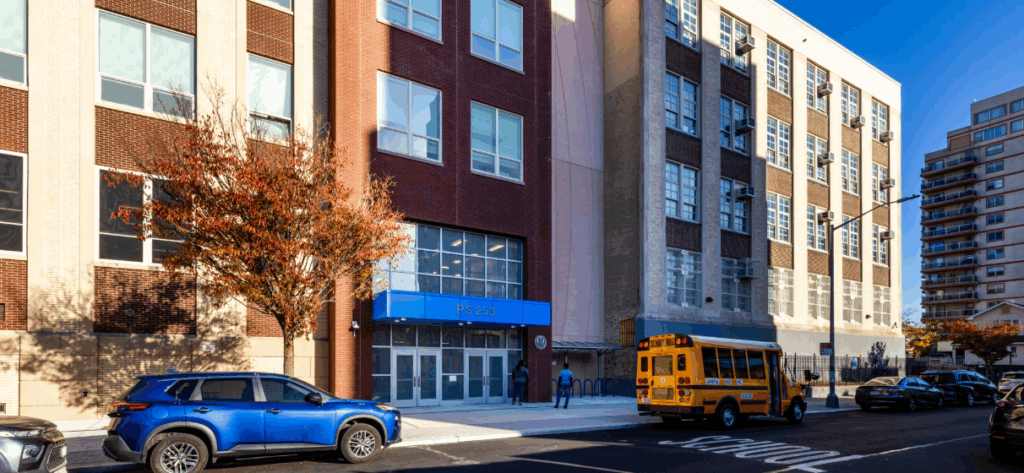
That same balance of performance and care carries into the education sector. With projects like the PS 253K Addition in Brooklyn and the PS 95Q Addition in Queens, our teams advanced the New York City School Construction Authority’s green building standards to deliver high-performing, sustainable learning environments. These schools are designed not only to endure, but to nurture the well-being and future success of students for years to come.
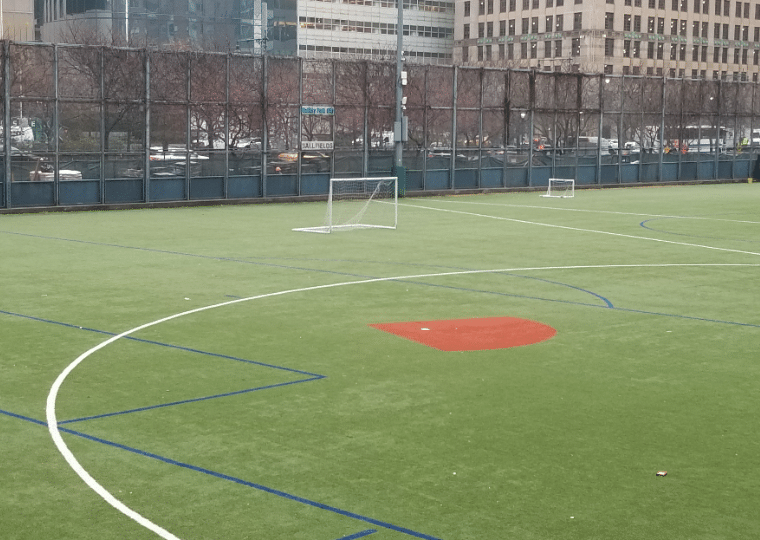
Finally, resilience extends beyond buildings to the public realm, where continuity of daily life is just as vital. In Lower Manhattan, the Battery Park City Ballfield and Community Center Resilience Project demonstrates how protective infrastructure can be seamlessly integrated into a neighborhood. By safeguarding beloved recreational fields against flooding while keeping them fully accessible, we made sure that this shared community space remains a vibrant hub for families and students.
Together, these projects demonstrate that designing for strength is not a single strategy, but a unifying approach – whether supporting health, fostering education or protecting public spaces, resilience and sustainability must be built into every layer of the community.

Sustainable Rebuilding: Recovery as Opportunity
When disruption happens – whether from storms, natural events or other challenges – rebuilding becomes inevitable. Designing for strength means planning so that recovery isn’t a return to vulnerability, but a forward leap toward stronger, more reliable systems. It’s about anticipating change and giving communities the tools to rebuild better, not just rebuild faster.
Looking Forward Together
On this World Architecture Day, we celebrate the power of architecture not just to build, but to endure. To those who design, build, maintain and steward the built environment: let us commit to Design for Strength – forging spaces that uphold resilience, sustainability and continuity for generations to come.
I am proud to join this conversation again and invite colleagues, clients and partners to join us in championing architecture that fortifies communities, supports lives and stands the test of time.