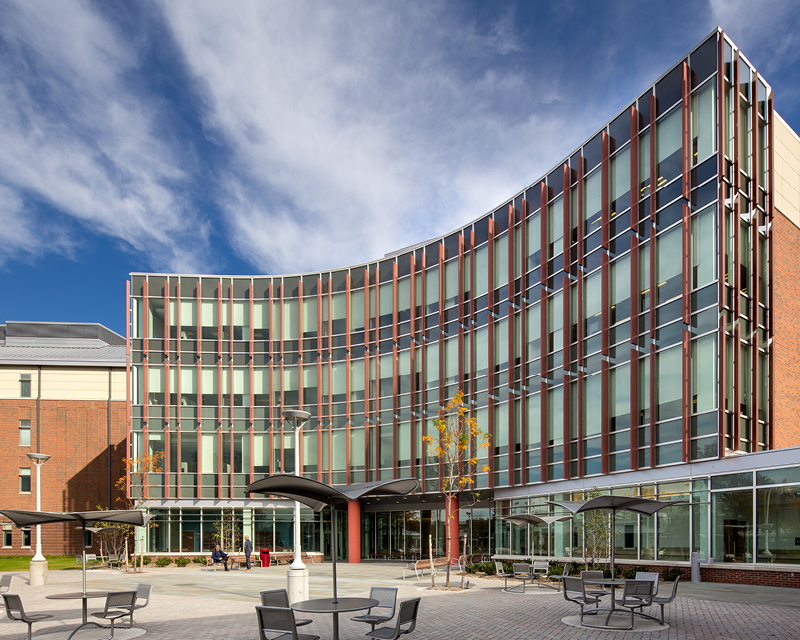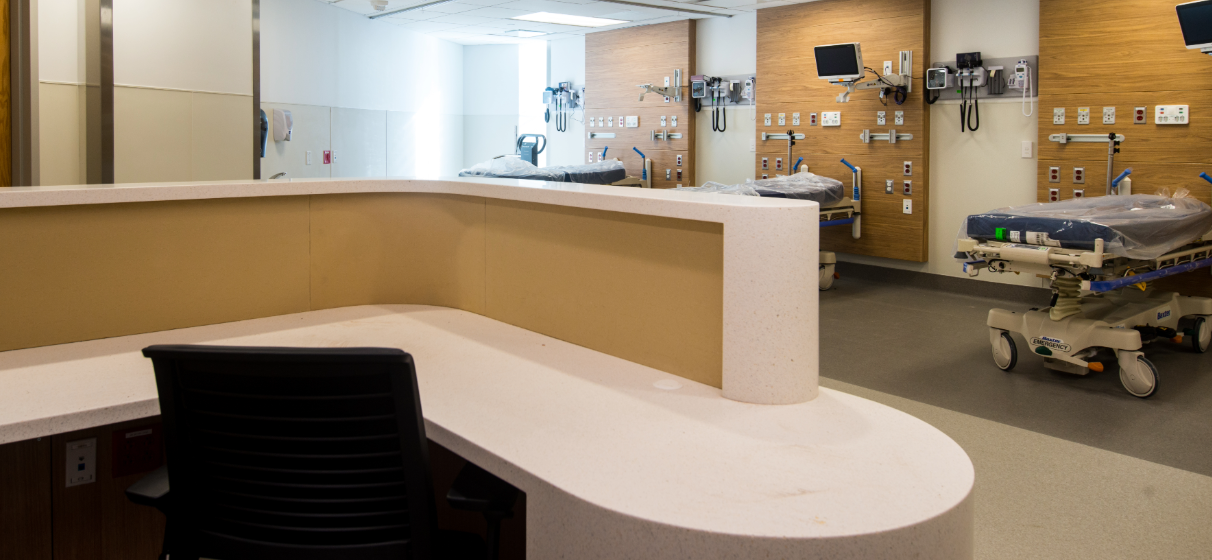
Healthcare systems across the country are advancing major capital programs amid population growth, regulatory complexity and evolving care delivery models. Unlike many infrastructure sectors, healthcare facilities must modernize while remaining fully operational, often with little margin for disruption.
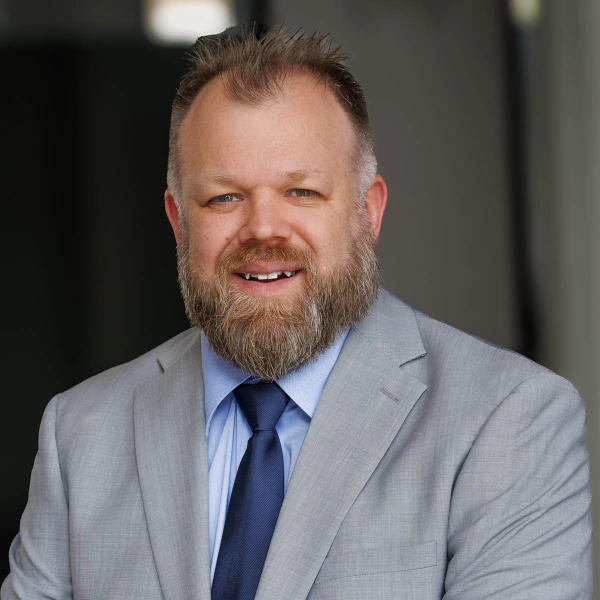
Based in Dallas, Josh Goertz serves as a healthcare project executive within STV’s healthcare program management and construction management (PM/CM) team, providing executive oversight for complex healthcare projects. He supports healthcare clients as they deliver major capital investments on time and on budget, while maintaining continuity of care and regulatory compliance. Goertz also plays an active role in client engagement and business development initiatives, helping health systems navigate today’s increasingly complex capital environment.
With nearly 20 years of experience in healthcare planning, design and capital improvement programming, construction and project management, including working directly for multiple healthcare systems such as UT Southwestern and Steward Healthcare, he brings an owner-side perspective shaped by long-range planning, regulatory accountability and day-to-day operational realities.
In this Q+A, Goertz shares how health system leaders can approach capital investment more strategically to support long-term resilience.
1. From an owner’s perspective, what should healthcare leaders expect from capital planning today?
Healthcare capital planning must be proactive and integrated, not reactive or project-specific. Facility decisions influence clinical operations, financial performance and patient experience for decades. From an owner’s standpoint, effective capital programs begin with a clear understanding of how care is delivered today and how it is expected to evolve.
That strategic alignment, between facilities, service lines, growth projections and regulatory requirements, helps organizations avoid fragmented decisions that limit flexibility over time. When capital planning is treated as an enterprise-level strategy rather than a series of individual projects, health systems are better positioned to manage risk, control costs and deliver long-term value.
2. Why is long-term planning especially important in active healthcare environments?
Hospitals and health care facilities cannot pause operations. Even minor disruptions can affect patient safety, staff efficiency and regulatory compliance. Long-term planning allows owners to phase work strategically, anticipate operational constraints and reduce risk before construction begins.
From a program management standpoint, disciplined planning creates clarity around priorities and sequencing. When planning is forward-looking, capital projects support continuity of care rather than competing with it. Without that discipline, organizations are often forced into costly workarounds that strain staff, budgets and leadership teams.
3. How should healthcare owners think about risk in large capital programs?
Risk in healthcare capital programs extends well beyond cost and schedule. Owners must also consider regulatory exposure, operational disruption and reputational risk, all of which are closely connected. Decisions made early in planning can either mitigate or compound those risks over the life of a program.
Strong program management helps owners address these challenges proactively. Early alignment around compliance, infection control, equipment integration and stakeholder communication reduces uncertainty later in delivery. Addressing risk upfront leads to more predictable outcomes, stronger governance and better-informed decisions at the executive level.
4. What role does governance play in successful healthcare capital delivery?
Governance is essential because health care capital programs involve many stakeholders with competing priorities. Clinicians, administrators, facilities teams and external partners each bring critical perspectives, but without clear decision-making structures, projects can lose focus.
5. How should owners approach technology and equipment planning?
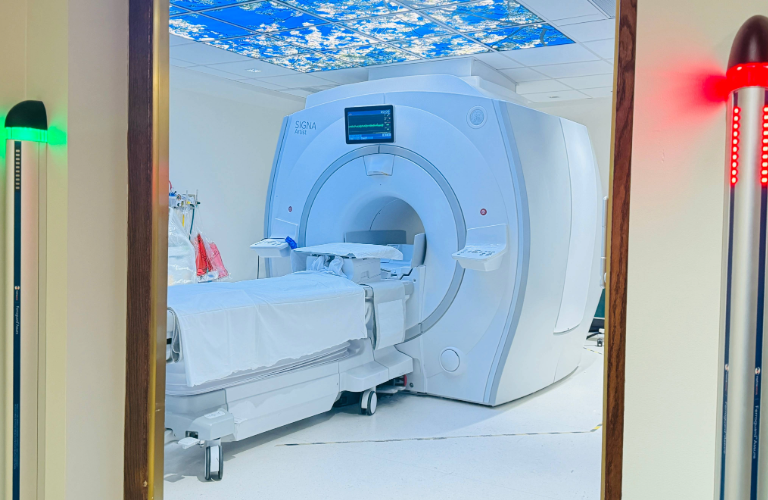
Technology and equipment planning should be treated as a strategic component of capital planning, not a late-stage coordination effort. Health care facilities must accommodate evolving technologies and changing care models without repeated disruption. Early collaboration among clinical leadership, facilities teams and designers allows infrastructure decisions to support long-term adaptability.
6. What should health systems prioritize as they plan major capital programs?
Health systems across the country are balancing rapid growth with complex regulatory environments and changing patient needs. As many organizations advance major capital programs, the priority should be building resilient facilities that can scale and adapt while maintaining compliance and operational stability.
From an owner’s perspective, success comes down to aligning capital investments with long-term clinical strategy, establishing clear governance and planning work in a way that protects continuity of care during modernization.