Healthcare environments influence far more than clinical outcomes. They shape how patients experience care, how families navigate stressful moments and how staff sustain themselves in demanding roles. As healthcare systems face mounting pressure around workforce retention, patient experience and long-term resilience, expectations for healthcare facilities continue to evolve. Mental well-being is increasingly shaping decisions related to planning, design and delivery – not as an added amenity but as a foundational performance consideration.
At STV, supporting mental well-being is a shared responsibility across disciplines. Rather than treating experience as a downstream outcome, teams consider it a driver of performance from the earliest planning decisions through design and delivery. To explore how early planning decisions, design strategies and delivery considerations shape healthcare environments, STV convened a multidisciplinary roundtable with leaders from its healthcare planning, design and program management and construction management (PM/CM) teams.
Featuring insights from Milly Baker, senior medical planner; Bill Van Horn, senior healthcare project manager; and Josh Goertz, healthcare project executive for PM/CM, the discussion reflects how collaboration across project phases helps carry planning intent through design and delivery – translating goals into environments that support care, dignity and long-term effectiveness.
How does mental well-being influence healthcare planning decisions early in a project?
Milly Baker: It’s a key consideration, and it comes into play earlier than many might expect. During planning, we look closely at how people move through a facility, where pressure points emerge and how different users – patients, families and staff – experience the environment throughout the day. Decisions around adjacencies, circulation and zoning can either help ease stress or unintentionally intensify it, often influencing staff workload, patient confusion and operational friction long before a space is ever built.
Bill Van Horn: Those early conversations set the tone for the entire project. When mental well-being is established as a priority from the outset, it becomes a shared responsibility across the team rather than something addressed later through design articulation alone, when options are narrower and trade-offs are harder to manage.
Once those early planning priorities are established, how do project teams translate them into day-to-day experiences for patients, families and staff?
Milly Baker: We tend to think in terms of moments rather than rooms – arrival, waiting, transition, recovery or even brief pauses during a shift – because those experiences often define how a facility is remembered, regardless of clinical outcome. Those are often the moments when anxiety peaks, so design decisions around scale, sound, visibility and circulation become especially important. When those elements are handled thoughtfully, environments feel more intuitive and easier to navigate, even in stressful situations.
Bill Van Horn: That translation really shows in how spaces support clarity and movement. People may be tired, anxious or under pressure, and the environment either helps them orient themselves or adds friction. Clear layouts, thoughtful lighting and well-controlled acoustics all influence how easily people move through a space and process information.
Josh Goertz: Those day-to-day experiences ultimately influence how a building functions once it’s occupied. Remembering the intended experience helps guide construction choices and emphasizes why design elements matter beyond just appearance.
Building off that, how do healthcare environments respond to the emotional intensity that patients, families and staff bring into these spaces?
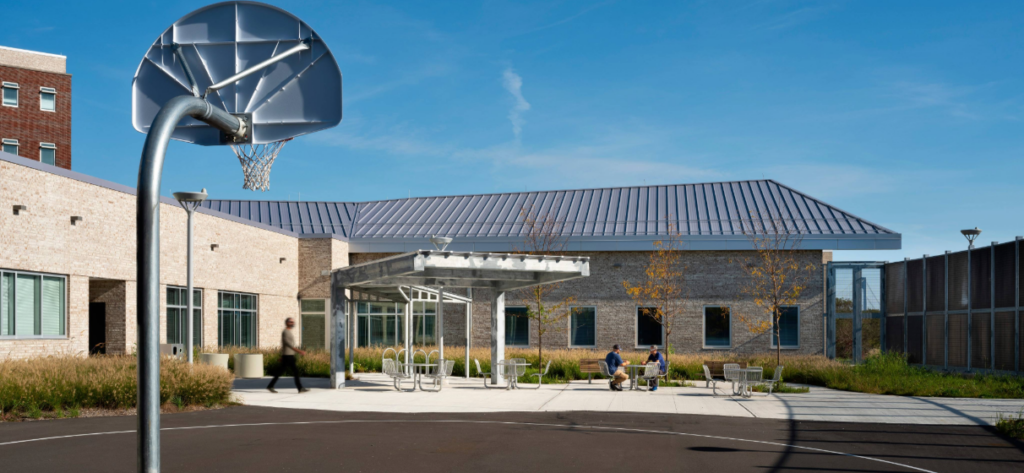
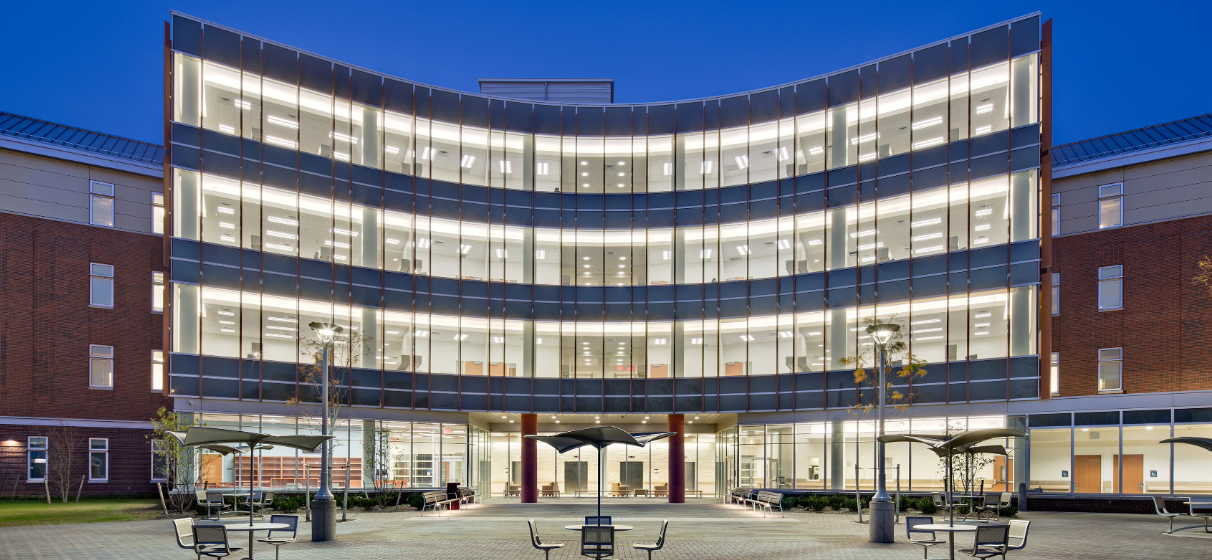
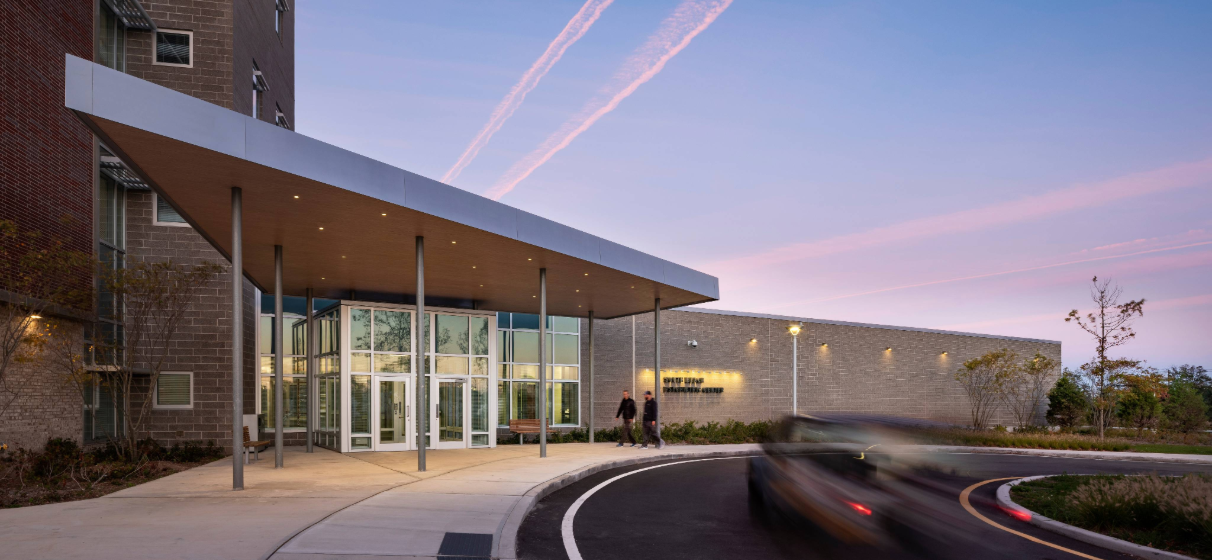
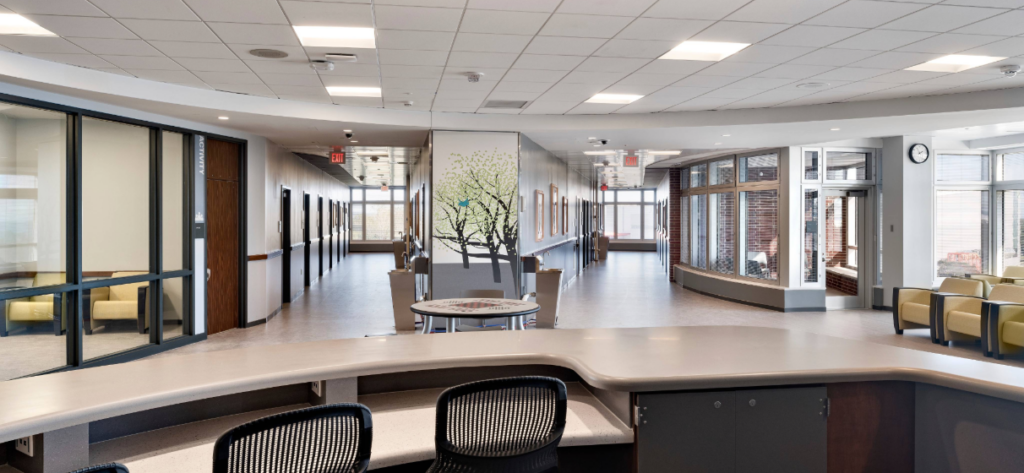
Milly Baker: People don’t arrive in any type of healthcare environment as neutral users. They arrive carrying fear, fatigue and uncertainty – sometimes all at once. From a planning and design standpoint, the goal is to avoid adding to that emotional load. Our work on the South Beach Psychiatric Center Residential Building is a great example of how design can support a sense of normalcy and stability, particularly in moments when people feel most vulnerable.
Bill Van Horn: Yes, South Beach shows how specific design choices reinforce that approach. The team was intentional about moving away from an institutional feel and toward something more residential and familiar. Natural light, higher ceilings and open, community-oriented spaces help create a calmer atmosphere, while clear circulation and shared spaces support daily routines and social connection – both of which can be grounding in behavioral health settings.
Josh Goertz: And the focus on the human experience continues well beyond design. Project teams often work in active healthcare environments where care is happening every day. Being mindful of that reality influences how work is phased, how disruptions are managed and how teams coordinate in the field. Keeping that awareness front and center helps protect the intent behind the design while supporting the people relying on these spaces throughout construction.
How do early planning goals carry through design and delivery to shape the built environment?
Bill Van Horn: Design is where planning intent becomes tangible. Elements such as lighting, acoustics and material selection shape how a space feels, but they must also work seamlessly with clinical workflows and operational requirements. Clear intent early on makes it easier to balance experience and performance as the design develops.
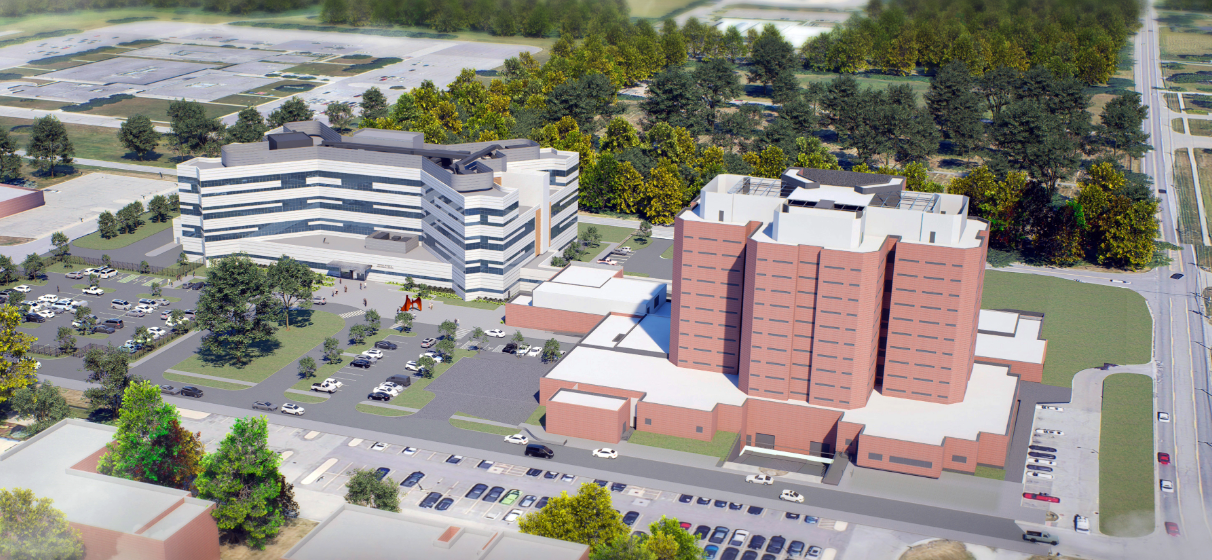
Josh Goertz: That clarity becomes especially important during construction. When planning and design goals are well-defined, they provide a consistent reference point for decisions as they arise. Those exact goals were set in place on our Ruth Bader Ginsburg Hospital project in Brooklyn. That project had a lot of moving parts, from flood resiliency, behavioral health integration and a second-floor emergency department – all while staying aligned with the City’s broader post-Hurricane Sandy healthcare resilience strategy. Those early goals helped teams navigate cost, schedule and constructability challenges without losing sight of the original intent.

How are healthcare projects evolving to better support staff well-being and retention?
Milly Baker: Healthcare work has always been demanding, but the pandemic brought unprecedented strain into sharper focus. That experience heightened awareness of how the built environment affects staff over the course of long shifts. From a planning standpoint, we’re paying closer attention to where fatigue builds and where opportunities for recovery exist. Reducing unnecessary travel, improving adjacencies and introducing moments of visual or acoustic relief can support focus and resilience over time.
Bill Van Horn: And there’s no doubt that staff experience is closely tied to patient care and operational performance. Design decisions are increasingly evaluated based on how they support staff communication and daily workflows. When those considerations are addressed early, they can improve efficiency and comfort without one coming at the expense of the other.
All too often, staff break areas are encroached upon over time. They’re treated as optional rather than essential. That thinking has shifted as organizations recognize these areas are critical to workforce sustainability and care quality.
Milly Baker: Another critical aspect of staff well-being is safety, which must remain a consistent focus throughout the design process. These environments can be highly emotional and, at times, volatile, placing staff at an elevated risk of workplace violence. Thoughtful design that acknowledges the emotional context of patient care can play a meaningful role in improving safety outcomes for both staff and patients.
Josh Goertz: From an owner’s standpoint, staff retention is absolutely a crucial concern. Clients are thinking beyond clinical function and considering how facilities perform as long-term workplaces, particularly in terms of staff retention, resilience and daily sustainability. During delivery, part of our role is to help keep staff support spaces, such as respite areas or quieter work zones, connected to the project’s original goals as construction progresses.

STV brings together expertise across multiple disciplines. How does that breadth of experience shape the way teams approach healthcare projects in such a unique, people-centered sector?
Josh Goertz: Healthcare is demanding because human stakes are always high, and these environments must perform under constant pressure. Having people across the firm who understand different parts of the facility lifecycle, whether it’s planning, design or delivery, adds value to every project. Even when teams are engaged in a specific role, that collective knowledge helps anticipate challenges and support better decisions as work moves forward.
Milly Baker: That breadth shapes how we think from the outset. Planners and designers at STV are often working across a wide range of healthcare environments, from behavioral health to acute care to ambulatory facilities. That exposure informs how we approach each project, because we’re considering how all types of spaces are delivered, operated and experienced over time. In a sector where emotional and operational demands intersect, that perspective supports more empathetic and intentional design.
Bill Van Horn: It also makes collaboration feel more natural. When teams understand how decisions in one discipline affect others, conversations are more productive and grounded in real outcomes. Even when services are distinct contractually, that shared understanding helps everyone stay focused on what clients ultimately need – facilities that genuinely support patients, families and staff in high-pressure environments.