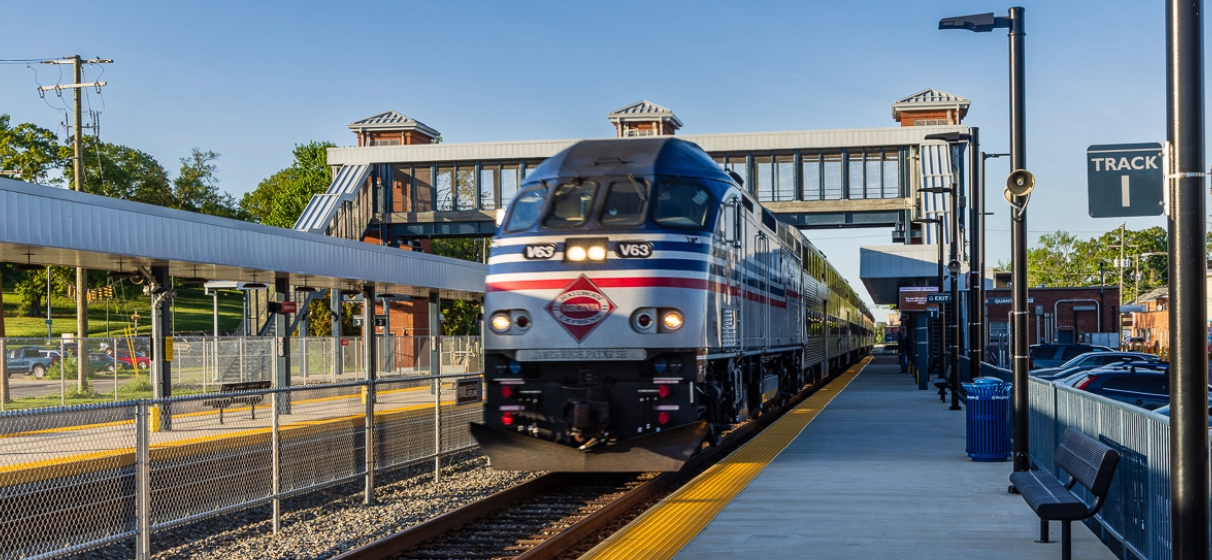
For decades, STV has helped transit agencies turn ambitious plans into delivered projects. In my experience, delivering major rail programs, the most consequential challenges don’t emerge during planning or construction – they surface in the transition between them. We’ve seen firsthand how quickly momentum can stall when a vision on paper meets the realities of implementation.
The true inflection point for a major rail or transit program isn’t a groundbreaking or ribbon-cutting event – it’s the moment of implementation readiness. It’s the point at which agencies, partners and delivery teams move from alignment in principle to alignment in action. This is the pivotal stage when a program shifts from long-range planning to actionable reality. For a transit or rail megaproject to succeed, what we’ve learned is that success depends on how deliberately that transition is managed – before construction ever begins.
Every transformative transit project begins with a vision – maybe a new commuter rail line connecting distant suburbs, a light rail network for a growing city or even a high-speed rail corridor spanning the state.
Where we consistently see projects struggle is not in defining the vision, but in operationalizing it – translating concept-level agreement into executable decisions.
Between the dream and the digging lies a complex, often underestimated phase of work: positioning all the pieces needed to actually start building. This alignment is the bridge between planning and doing, where a concept becomes not just something we want to create, but something we can create with confidence in its delivery.
But what does implementation readiness really mean? It’s not just a sign-off or a checklist at the end of planning; it’s a discipline that begins early in a project’s life and continues through development, ensuring a program is truly prepared to move forward.
In practice – and across the programs we’ve helped deliver – achieving implementation readiness means systematically strengthening a project across several dimensions.
Governance and decision-making come first.
Before focusing on alignments or station designs, an agency must establish clear program governance and decision-making processes. Who is accountable for day-to-day leadership? How will decisions be made among multiple partners? Where programs begin to stall is when these answers are unclear or evolve too late – creating friction just as delivery accelerates. By clarifying these questions upfront – often through a dedicated program management office or an interagency task force – you prevent confusion and drift later.
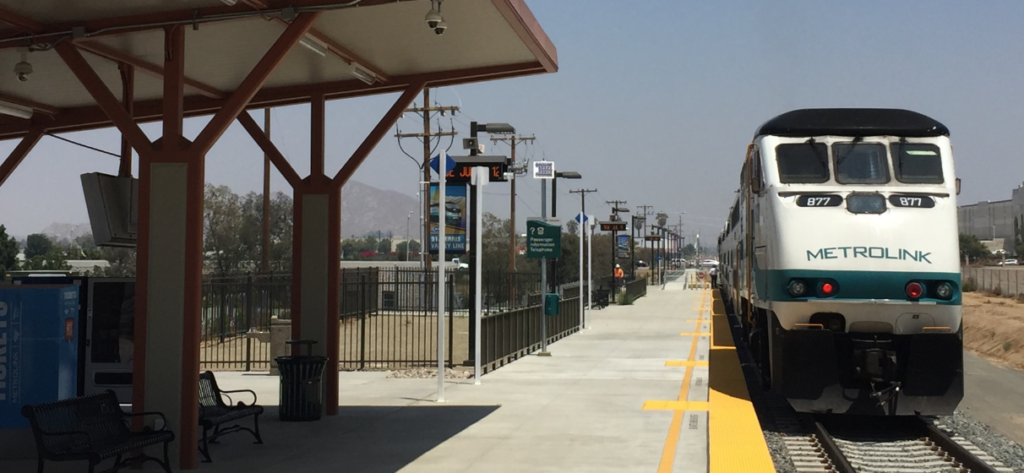
For example, the Perris Valley Line commuter rail extension in California reflects years of sustained commitment from the Riverside County Transportation Commission and its partners.
STV played a central role in helping structure the program’s governance and delivery approach – supporting the agency in aligning stakeholders, defining decision pathways and maintaining continuity over more than a decade of advancement. That clarity became critical as the program moved from environmental approvals into implementation.
With clear governance in place, we guided the 24-mile, four-station line from concept through completion, bringing new commuter rail service to fast-growing Inland Empire communities.
Because governance and leadership alignment were established early, the program was able to advance without the delays and rework that often occur when roles, authority and accountability are not clearly defined.
Phasing and sequencing – turning vision into action.
Big transit visions can be overwhelming if not broken into purposeful, deliverable phases. Sequencing is how you prioritize what gets built first and why.
Where programs fall short is when phasing is driven by short-term pressure – funding cycles, political timelines or external expectations – rather than long-term system performance. Early phases should demonstrate success, build public confidence and lay the groundwork for what follows.
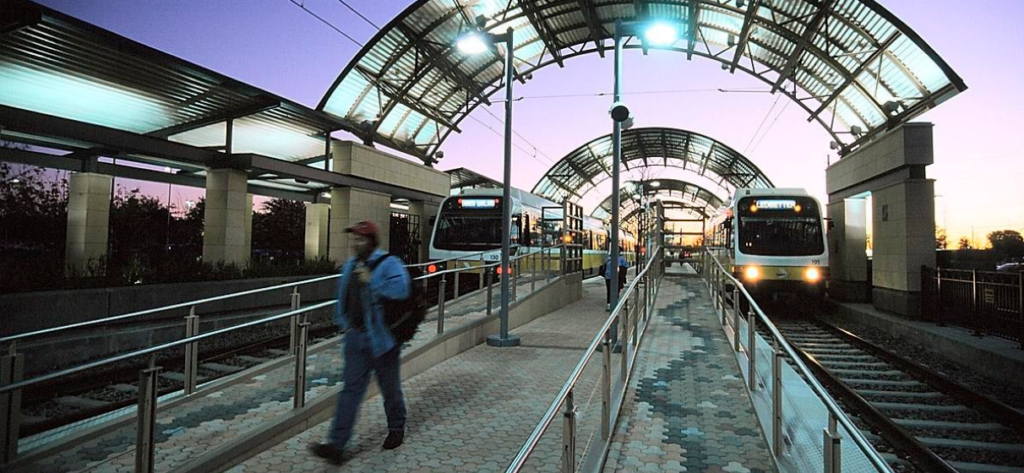
Dallas Area Rapid Transit (DART) illustrates this approach – the agency built its light rail network segment by segment, with each completed line building momentum and trust for the next. What this kind of sequencing enables – when done well – is sustained investment and stakeholder confidence, rather than stop-and-start delivery driven by uncertainty.
Funding alignment – matching money to the mission.
If vision is the engine, funding is the fuel. Implementation readiness requires a financial plan that allocates specific dollars to specific project phases.
In our experience, funding challenges rarely stem from a lack of sources – they arise when the timing, scope and sequencing of funding are not aligned. That means synchronizing local funding with state and federal contributions throughout the program timeline and scaling the scope to align with fiscal realities.
When this alignment is in place, it gives decision-makers confidence that the program is not only viable, but deliverable – reducing the risk of scope resets or stalled advancement.
Procurement strategy and market readiness.
Even during planning, it’s critical to consider how you’ll deliver the project. Will it be design-bid-build, design-build or a public-private partnership (P3)? How large should each contract be?
The procurement approach must match the program’s complexity and the market’s capacity. Projects face risk when the procurement strategy is treated as a downstream decision rather than a core component of readiness. It is imperative to engage the procurement teams prior to implementation readiness to avoid unintended delays once the solicitations are active.
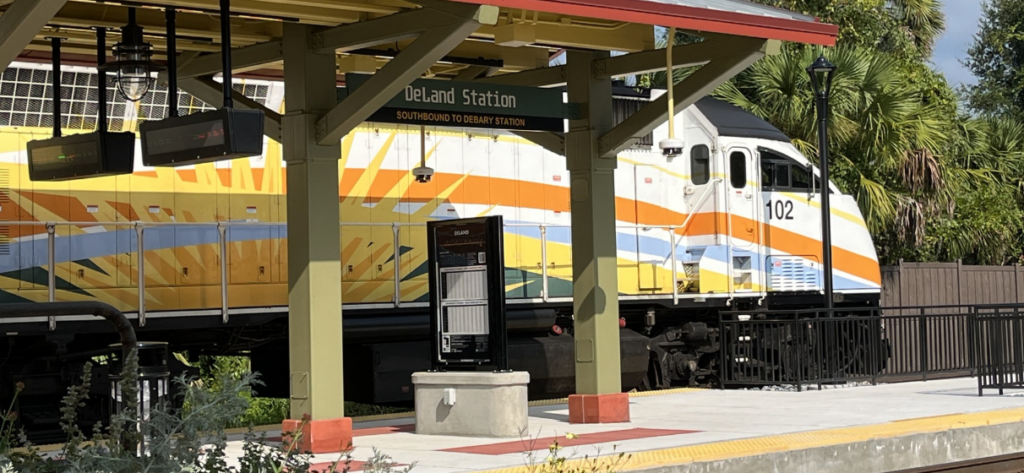
One recent example is the SunRail Phase 2 North Expansion in Florida, where STV helped advance a delivery strategy centered on design-build packaging, aligning contract structure with schedule objectives and market capacity. By shaping that approach, the program was positioned to move efficiently from design into construction.
When you tailor the delivery model early, grounded in how the project will actually be delivered, you pave the way for smoother procurement when it’s time to build. This reduces the likelihood of bid gaps, contractor hesitation or re-scoping – common risks when procurement is not aligned with market realities.
Risk management and decision frameworks.
Big transit and rail programs face uncertainty by nature – the difference is whether you manage risk deliberately or let it manage you.
Implementation-ready programs identify major risks (technical, financial, political) early and develop mitigation strategies. What we emphasize with clients is not just identifying risk, but linking it directly to decision-making. They also set clear “stage gates” – decision points at which the team must meet criteria (such as cost/schedule targets or stakeholder approvals) before proceeding.
This creates a structured path forward, where progress is tied to demonstrated readiness – building confidence at each step rather than deferring risk downstream.
Organizational and stakeholder capacity.
A program can’t move into high gear if the people responsible aren’t ready. Being implementation-ready means ensuring the agency and its partners have the skills, resources and structures to manage what’s coming.
That might involve hiring experienced staff, engaging a program management consultant or training the current team in mega-project controls.
It also means preparing external stakeholders, such as local governments, utilities, transit operators and the public – everyone has a part to play and should understand the plan and their roles in it.
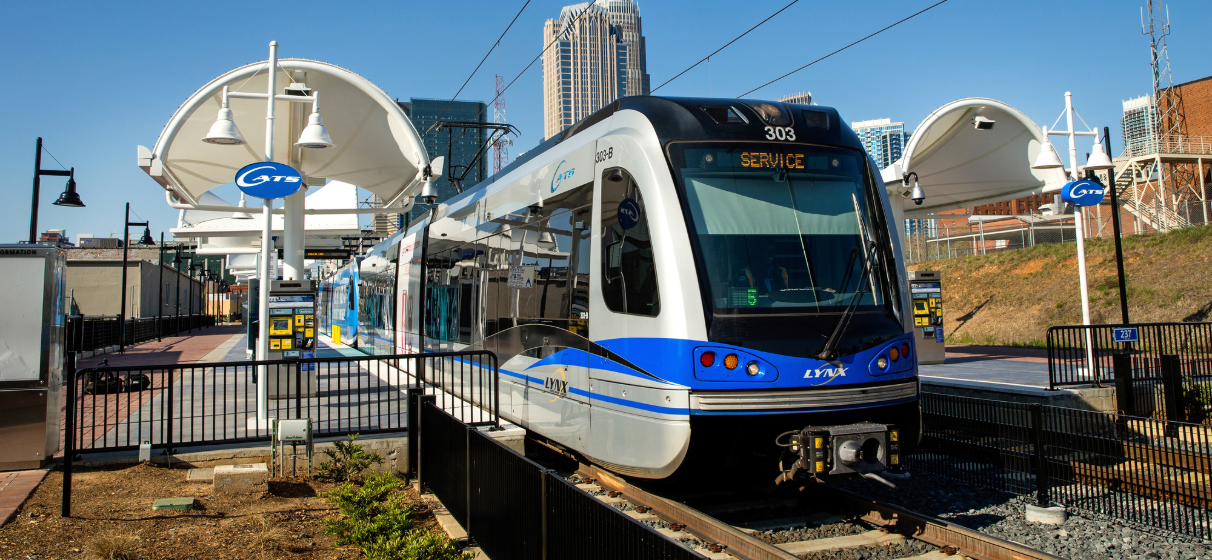
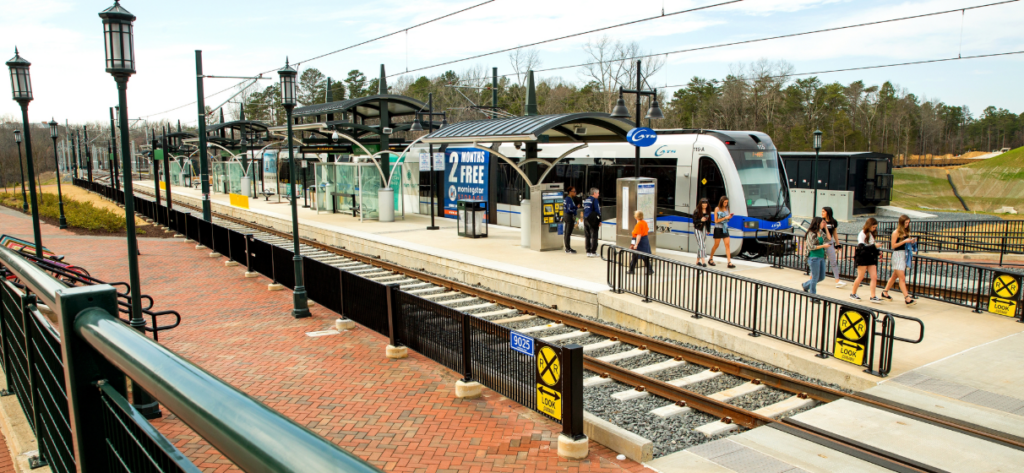
STV’s long‑standing partnership with the Charlotte Area Transit System (CATS) reflects the value of this kind of organizational continuity.
Over more than two decades, we have worked alongside CATS across planning, environmental review, engineering and implementation – helping the agency build the internal structures, processes and program controls needed to support system expansion. That sustained engagement has enabled smoother transitions from planning to delivery as new corridors and investments moved forward.
Because capacity was built in parallel with program development, each new corridor advanced with fewer organizational gaps, reducing friction during implementation.
These elements work together to turn a theoretical plan into a resilient, reality-bound program. When addressed early and earnestly, a transit project stops being a “maybe someday” idea and becomes a “we’re doing this” plan.
Just as importantly, tackling these readiness pillars produces one invaluable asset: confidence.
When governance, phasing, funding, procurement, risk and organizational readiness are aligned, agencies gain the confidence to move forward – and give stakeholders reason to do the same. That confidence often tips the balance in favor of action: boards green-light the next phase, legislatures allocate funds and private partners commit to support.
In my experience, major transit programs are shaped long before construction begins, through the decisions that define how they will be delivered. The ultimate measure of success for a transit vision isn’t just a beautifully rendered plan – it’s that first day of passenger service when the vision has become a reality.
Achieving that outcome requires laying the right foundation long before construction. For agencies advancing new or expanding systems in fast-growing regions, this moment – moving from concept to capability – is often the most consequential.
By embracing implementation readiness as a discipline, transit agencies can ensure their boldest ideas don’t remain on the drawing board but instead become new trains, new transit corridors and new mobility options for the communities they serve.