Military service demands preparation and teaches an equally important lesson: conditions rarely unfold exactly as planned.
In my more than 28 years of military service, I led engineering organizations, supported critical infrastructure programs and responded to emergencies across the United States and the Pacific. Those experiences shaped an approach that guides my work today: understanding the mission, building trust before it is tested and preparing people to adapt.
This Veterans Day offers an opportunity to reflect on those lessons and on what it means to be ready for both anticipated and unforeseen challenges.
Leadership Starts Before the Moment of Crisis
Some of the most important work a leader prepares for happens well before a difficult decision must be made.
That principle was reinforced throughout my career with the U.S. Army and the U.S. Army Corps of Engineers (USACE). As commander of USACE’s New York District, I led a 550-person organization executing a program valued at more than $5 billion across military construction, civil works, disaster recovery and other critical infrastructure programs.
Effective leadership provides enough clarity and trust for the right people to make sound decisions at the right time while navigating difficult situations.
Infrastructure programs depend on the same distributed judgment. The most informed decision may come from the engineer testing a system, the contractor sequencing the work or the client responsible for operating the asset. Leaders create the conditions for that expertise to surface early while keeping the team aligned with the larger mission.
Resilience Means Being Ready to Adapt
Resilience is often described as the ability to recover from disruption. My military and disaster-response experience taught me that resilience begins earlier, through preparation, communication and a team’s ability to adapt without losing sight of what must be accomplished.
That lesson became real while I was leading USACE’s New York District during the COVID-19 pandemic. In support of FEMA, our team constructed four alternate care facilities that added 4,200 patient-care units in five weeks.
The working conditions were extraordinary, but the principle extends beyond emergency response. Preparation gives people the clarity, trust and capability to respond when the plan no longer applies.
Preparation gives people the confidence and the capacity to adapt.
Infrastructure projects also evolve. Conditions change, client needs shift and new constraints emerge. Teams that understand the mission can assess these changes, make informed decisions and keep moving toward the outcome the project is meant to deliver.
Understanding the Mission Behind the Project
Infrastructure is often defined by its physical components. A building is measured in square feet. A capital program is measured in dollars, schedules and milestones. Those performance measures establish scale and progress; the larger purpose explains why the investment exists.
What does this project need to make it possible?
That question is especially important in federal work, where a facility may support readiness, training, research, continuity of operations or the quality of life for service members and their families. On-time delivery is one measure of success. The greater test is whether the asset fulfills the mission it was built to serve.
My roles at USACE, U.S. Army Pacific Command, and the National Defense University gave me experience with federal infrastructure as both an owner and, later, as a private-sector partner. That owner-side perspective continues to shape my work as a member of STV’s federal team. It helps me understand the pressures federal clients face as they balance mission requirements, investment priorities, operational continuity and changing conditions.
That perspective shapes the questions I ask: Who will rely on this facility? What must remain operational during delivery? Which trade-offs protect the mission over the asset’s full life? Raising these questions early helps teams anticipate risk and make decisions aligned with the client’s broader objectives.
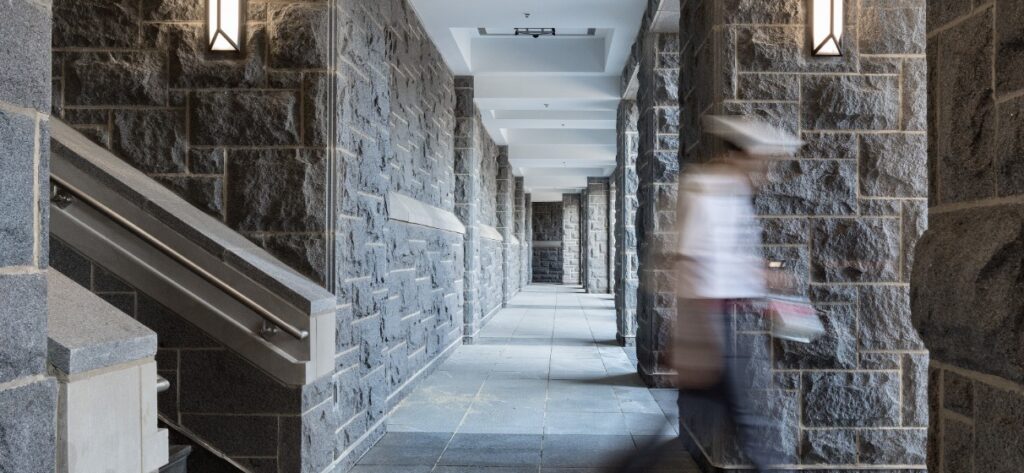
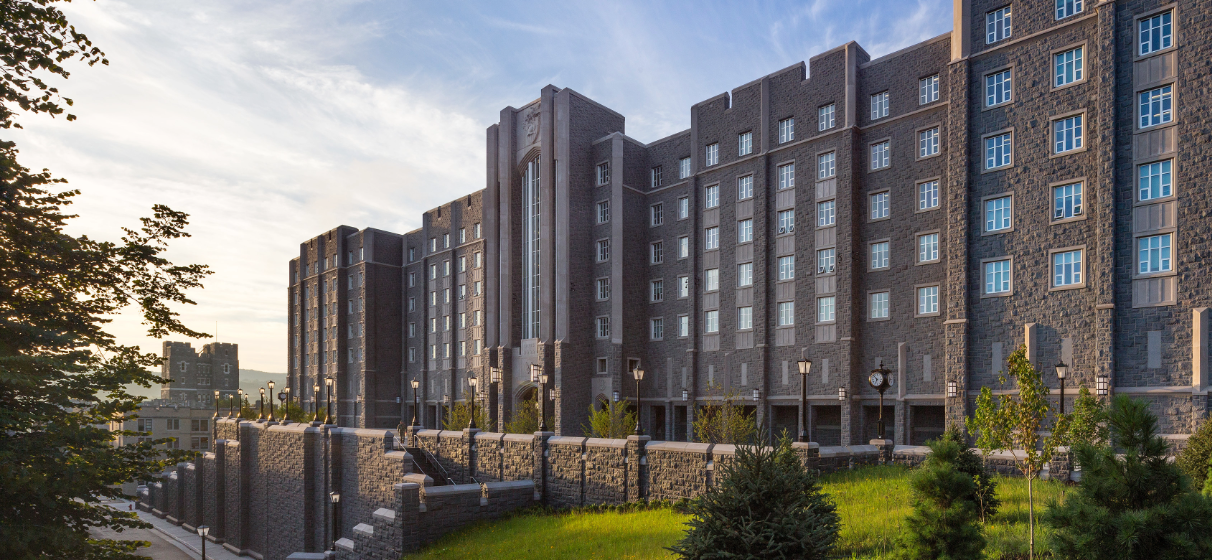
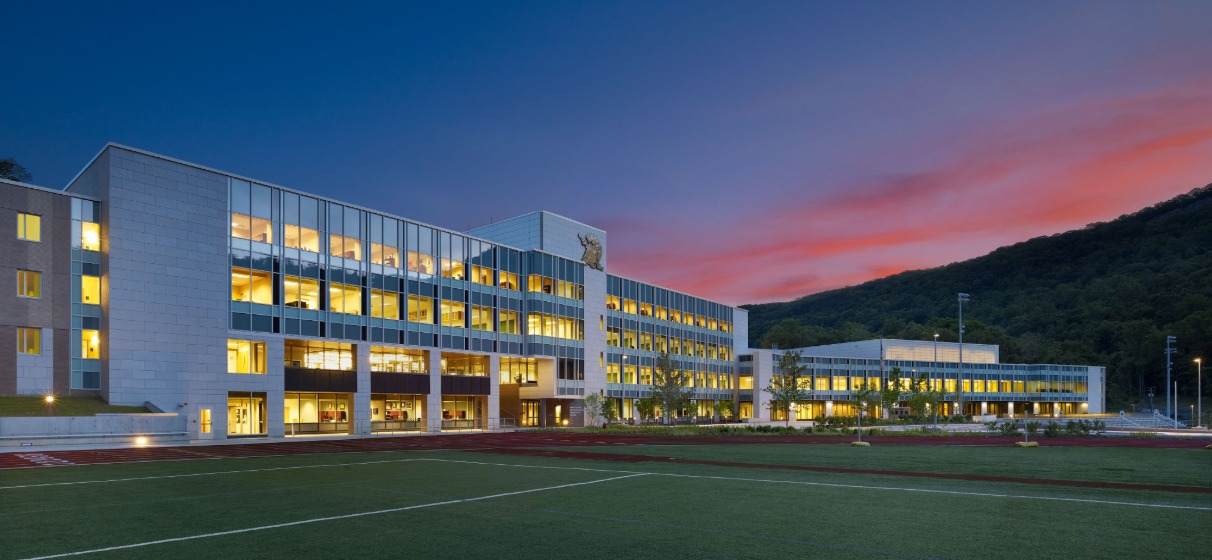
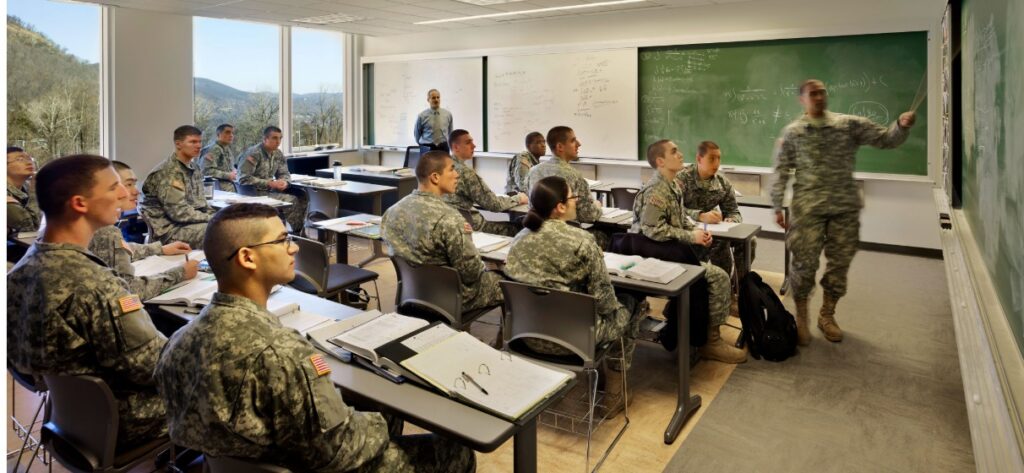
STV’s longstanding work at West Point offers a current example of that mission-driven approach to infrastructure. Across the campus, the firm has supported facilities that advance the U.S. Military Academy’s academic, training, residential and operational needs. That work continues with the renovation of Thayer Hall, where STV is leading architecture and engineering services to help preserve the building’s historic character while creating modern classrooms, laboratories and lecture spaces for the next generation of Army leaders.
The value of infrastructure lies in what it enables people to accomplish.
Carrying the Lessons of Service Forward
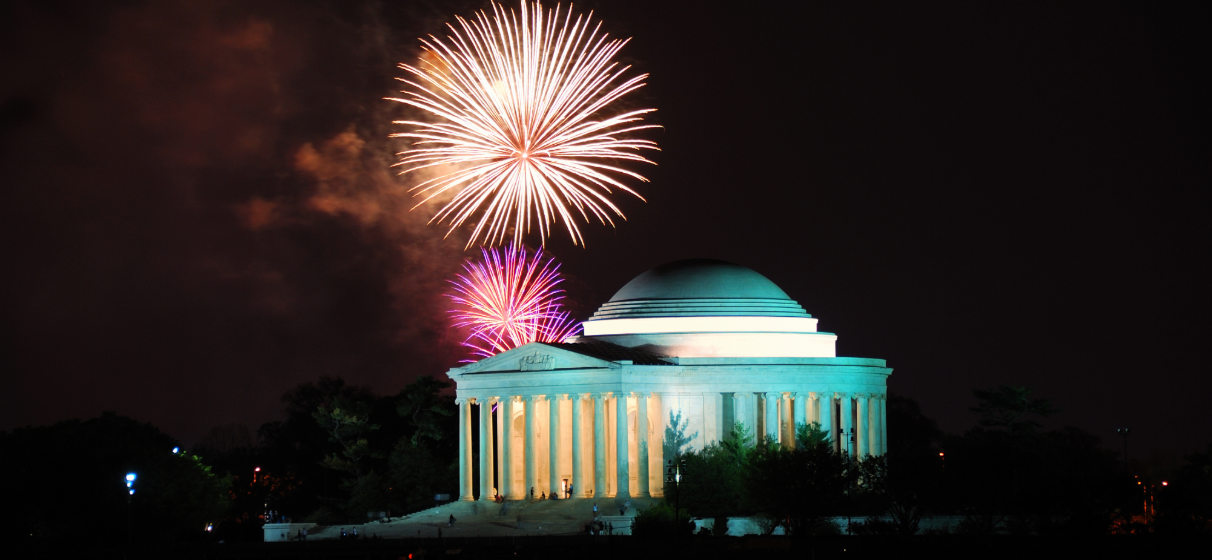
Veterans Day is an opportunity to honor America’s veterans past, present and future for their patriotism, love of country, and willingness to serve and sacrifice for the common good. Selfless service and being part of an organization that is bigger than oneself is what veterans carry from their service in uniform into the organizations and communities where they live and work.
For me, the locations change, but the responsibility remains the same: understand what the mission requires, build teams that trust one another and create the conditions for sound decisions under pressure.
Mission readiness comes from understanding what must be accomplished, trusting the team and remaining prepared to adapt together when the path forward changes. I am honored to have served this wonderful nation and to be given the opportunity to join STV and continue to serve the public.