Each May, National Military Appreciation Month offers an opportunity to recognize the service, sacrifice and enduring impact of those who have served our country – including veterans who continue to make a difference in their civilian careers.
At STV, this moment is less about celebrating a market or a mission and more about recognizing the values and lived experiences our people bring to their work every day.
Many veterans at STV bring not only technical expertise but also leadership and a mission-driven mindset shaped by their military experience. Those experiences continue to influence how they collaborate, lead and serve others long after their time in uniform has ended.
From leading complex infrastructure projects to collaborating across multidisciplinary teams, these individuals draw on lessons learned to help deliver transformational solutions for clients and communities.
In this roundtable, veterans Lakeshia Bailey, Anthony Caruso, PE, PMP, Scott Dickerson, Michael Hudson, Stephen Kraus, PE, PMP, Assoc. DBIA, Tracy Schnyer, RA, and Darrell Vickers, AIA, NCARB, LEED-AP BD+C, share their perspectives on transitioning from the military to working at STV, the skills that have carried over from their service and what it means to continue serving.
What are some of the skills you gained during your military service that translate to the AEC industry?
Michael Hudson: My military experience instilled in me disciplined and active listening, especially in high-pressure situations. That skill has served me well in client meetings. I stay calm, listen to the underlying need behind the client’s concerns and focus on addressing root causes with practical solutions rather than applying temporary fixes. It also strengthened my ability to navigate and integrate overlapping requirements, standards and regulations, an approach that translates directly to complex AEC projects.
Tracy Schnyer: My time in the U.S. Army equipped me with interdisciplinary and personnel management skills that have helped me manage projects and teams throughout my architectural career. The Army also instilled in me a sense of discipline that enables me to prioritize and accomplish tasks.
Darrell Vickers: I gained experience in facility programming – from schematic through construction document drawing production – from my roles in the military, including serving as the chief of engineering and environmental planning; chief of engineering; liaison with NATO; and as a project manager for Military Construction Program projects at Gunter Annex, Maxwell Air Force Base and Wright-Patterson Air Force Base.
Lakeshia Bailey: I worked in behavioral health in the U.S. Navy. Many of the skills I learned there translate to my work now as an STV recruiter. I learned how to communicate with different types of people, build relationships, listen and help guide people through challenging situations. That experience helps a lot with recruiting because it’s all about connecting with people, understanding what they’re looking for and helping them find the right fit.
Tell us about your transition from military service to private sector work.
Anthony Caruso: I was most recently a civilian federal employee with the Department of Veterans Affairs and the U.S. Army Corps of Engineers (USACE). Prior to that, I was on active duty in the Army. So STV is my first non-public job. When I decided to make the transition to the private sector in early 2025, I was looking for a role that would allow me to continue contributing to public welfare and national defense.
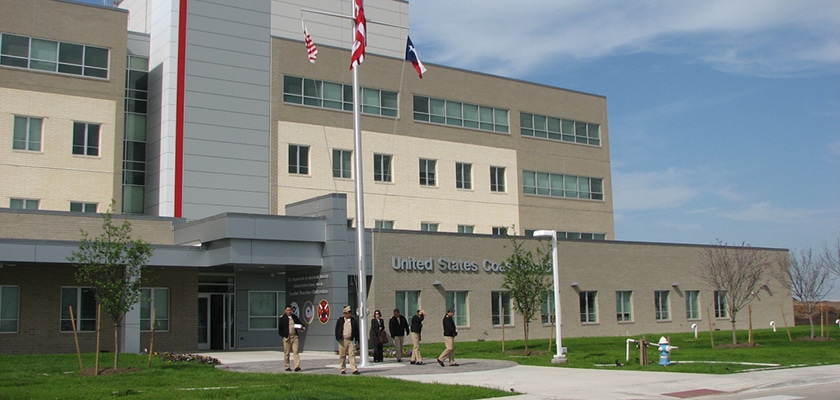
I had heard of STV from previous industry work and from colleagues in the Army. After several discussions, I jumped at the opportunity to join STV’s Federal Programs group led by Dewey Jones. Two main aspects drew me into the role. First, I knew the projects we’d deliver would directly contribute to our country’s prosperity. STV is currently working with the U.S. Coast Guard (USCG) and the USACE while also supporting many military bases with engineering services. Second, I knew I would be working with fellow veterans. It has been a pleasure to work with Stephen Kraus, Fabian Mendoza and many others. They are great mentors for work and life topics.
Stephen Kraus: My transition to the private sector at STV after 10 years of active-duty service was smooth. My last two years in the military were in uniform in the USACE New England District. That experience was the perfect transition to the private sector. It was a blend of working with both in-house and private AEC professionals, collaborating with construction teams on jobsites, and working with federal procurement to deliver both military- and civil works-focused projects.
Lakeshia Bailey: My transition wasn’t straightforward. After the Navy, I went to school for public administration because I thought I wanted to work in the nonprofit sector. Then I ended up working at a career center helping veterans find jobs. While there, I worked closely with recruiters and realized I really liked recruiting and helping people find career opportunities. That eventually led me into the AEC industry and to STV. Looking back, even though my path was all over the place, each step helped me determine what I actually enjoyed doing.
Tracy Schnyer: Before I began my service with the Army, having been around the military for many years as the son of an Air Force Senior Noncommissioned Officer, I knew the importance of planning for my expiration term of service (ETS). I coordinated my return to Temple University to complete my Bachelor of Architecture degree after my time in the Army. This enabled me to make a smooth transition back into civilian life.
Scott Dickerson: Since I worked in the private sector before entering the military, my transition back to the private sector wasn’t an issue for me. I do believe my military service has made me more focused on my responsibilities and on completing my tasks in a timely manner.
Have you worked on projects that directly serve the military during your time at STV?
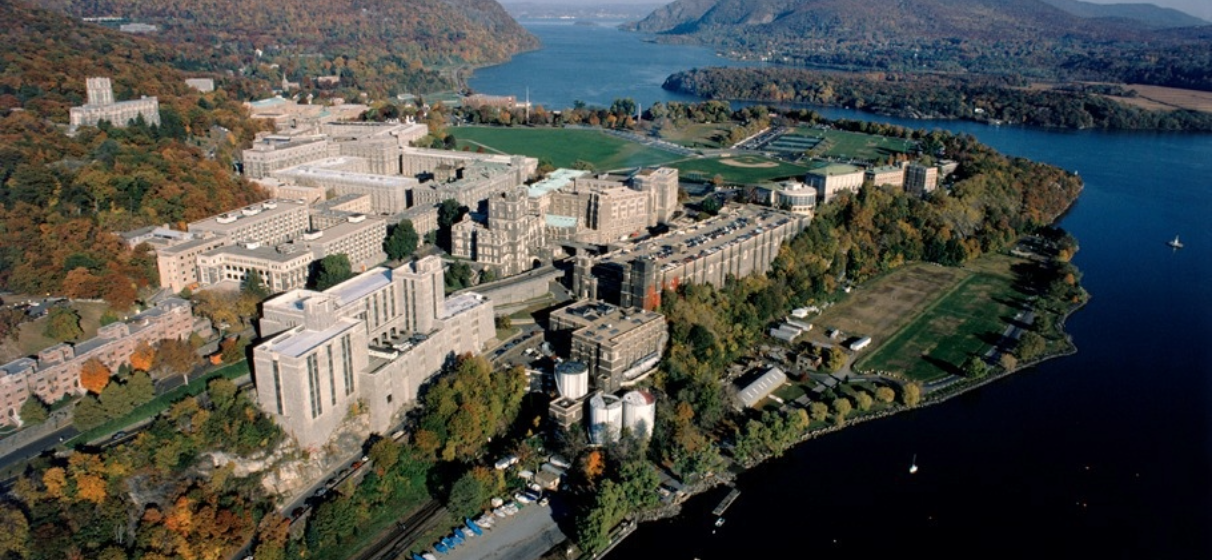
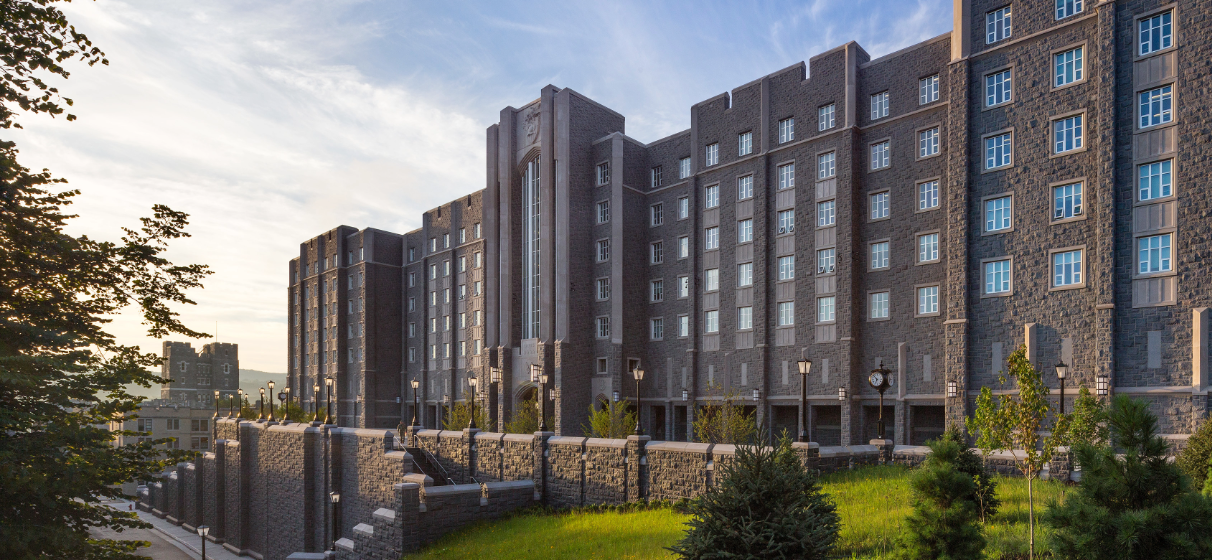
Stephen Kraus: I am currently working on the Thayer Hall project at the U.S. Military Academy (USMA) at West Point, New York, a major renovation of the Academy’s largest academic building. As a USMA graduate who attended many classes in that historic and iconic building, the project is both professionally challenging and personally rewarding.
I also recently had the opportunity to work on the Naval Facilities Engineering Systems Command (NAVFAC) Industrial Control System Infrastructure upgrade project at Naval Submarine Base Kings Bay in Georgia; conducted extensive structural studies for NAVFAC at Norfolk Naval Shipyard; and lead several projects for private defense clients.
Anthony Caruso: I have been fortunate to work on many military projects at STV, including the Watervliet Army Arsenal, where the U.S. Army produces all artillery, cannons and mortars; USMA’s Thayer Hall renovation; and the training center at Yorktown.
While attending USMA, I spent a semester at the USCG Academy as an exchange cadet, so I am extremely proud that STV supports the Coast Guard on various contracts. I find great fulfillment in working on projects that align with the country’s Executive-level priorities.
Are you involved in any military-focused mentoring programs or industry organizations?
Anthony Caruso: STV has sponsored my membership with the Society of American Military Engineers (SAME), Philadelphia, so I am excited to get more involved in their employment workshops and events. I am also involved in STV’s Veterans and Military Community – an employee-led group that fosters camaraderie and belonging. It’s a great opportunity to connect with and support other veterans within our organization.
Michael Hudson: Beyond informal discussions about my experiences with colleagues, I am also a member of STV’s Veterans and Military Community. Engaging with other veterans through this group has been valuable; hearing the expansive range of experiences and perspectives has helped me see how military-developed skills translate across STV’s diverse project teams.
Scott Dickerson: Having a support system is essential, especially during the transition to civilian work. I appreciate STV’s willingness to bring veterans together to help one another as we reflect on our experiences in the military and continue building our paths forward as part of the STV Community.