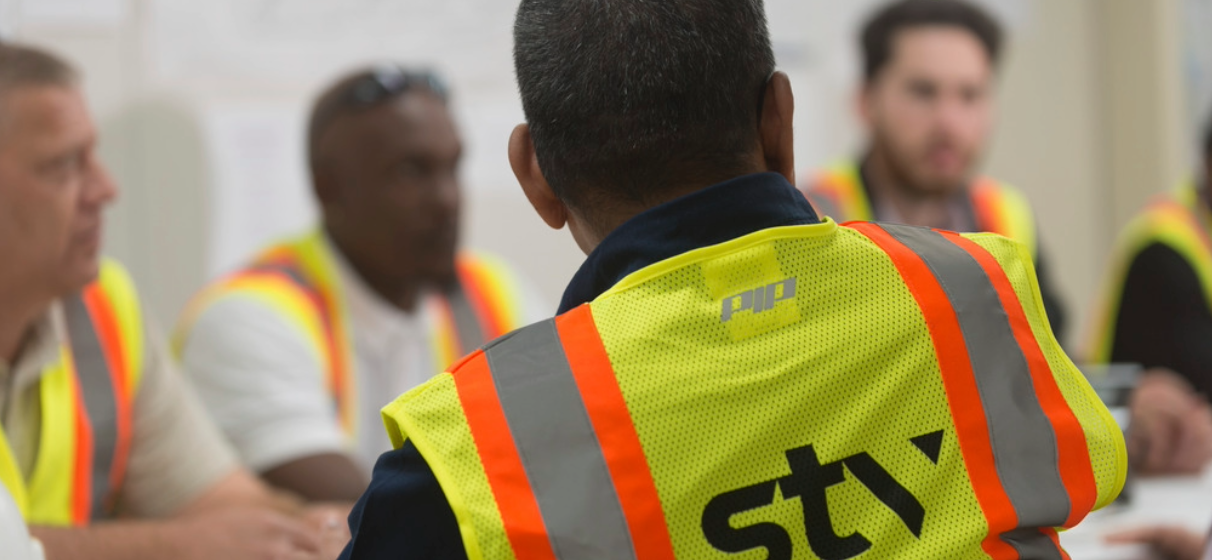
Today’s most effective project controls teams are embedded early working alongside owners and delivery partners to shape the decisions that define cost, schedule and risk before construction even begins. By pressure-testing assumptions and evaluating trade-offs upfront, those teams help establish not just realistic baselines, but also the confidence and alignment needed to carry complex programs forward.
As project controls evolves from a retrospective reporting function into a forward-looking discipline, STV is redefining how it supports complex, high-impact infrastructure programs – from planning and delivery through long-term operations.
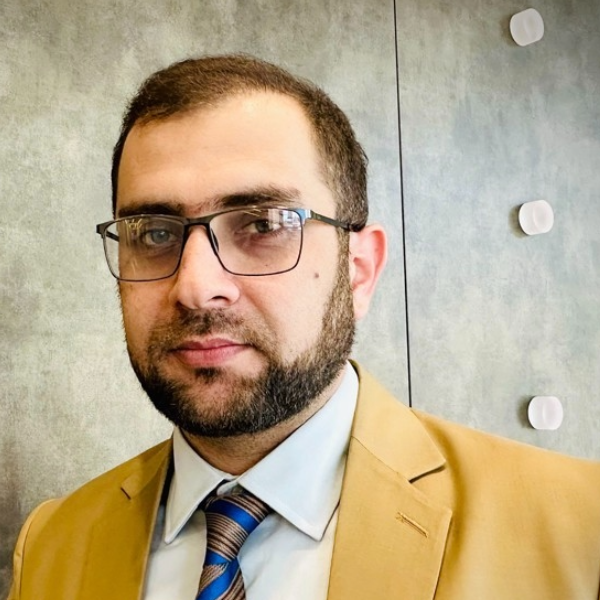
Few people embody that evolution more clearly than Walid Wahidi, PE, PMP, PMI‑SP, regional project controls manager at STV. With more than 15 years of experience leading project controls teams across major transit, water and building programs, Walid brings a practitioner’s perspective to how planning, scheduling, cost and risk intersect, and how early, well-informed decisions can influence outcomes for years to come.
In this interview, Wahidi shares how that shift is changing the role of project controls – and why earlier, more integrated decision-making matters.
1. How do you define project controls today, and how has that definition changed over time?
Traditionally, project controls was often viewed as a back‑office function: something focused on tracking schedules, reporting progress and documenting what already happened. That’s changed significantly. Today, effective project controls is about foresight, not hindsight.
When done right, project controls integrates schedule, cost and risk into a single decision support framework – but the timing of that integration matters. At STV, project controls teams are engaged early and work directly with planners, designers and delivery partners to test assumptions and understand downstream impacts before those decisions are locked in.
That approach is especially important on large, multi-disciplinary infrastructure programs where early alignment across teams can prevent small disconnects from cascading into schedule pressure, cost growth or stakeholder challenges later on.
2. STV is increasingly supporting projects earlier, during planning and proposal phases. Why is that timing so critical?
The planning and proposal stages are where many of the most consequential decisions are made – often before teams fully see the risk they’re taking on. Decisions made at that point, around sequencing, access assumptions, contingency levels or procurement strategies, have long‑term implications.
By bringing project controls into those early conversations, STV helps owners pressure‑test schedules, evaluate alternative approaches and understand where risk truly lies. That’s particularly valuable for lump‑sum or fixed‑price work, where realistic baselines and shared expectations are essential to long-term performance.
3. How does risk analysis factor into your approach to project controls?
Risk analysis is foundational. Every schedule and cost estimate carries uncertainty, whether it’s tied to permitting, third‑party coordination, operations or constructability. The goal isn’t to eliminate risk – that’s impossible. The goal is to understand it well enough to manage it intentionally.
At STV, we use both qualitative and quantitative risk analysis to identify the drivers that matter most and to evaluate how different scenarios affect outcomes. That insight supports clearer communication with stakeholders, more intentional contingency planning and stronger decision-making throughout delivery.
4. Owners are increasingly concerned about claims and disputes. How can project controls help reduce that exposure?
Many claims stem from misaligned expectations, such as unclear baselines, undocumented changes or schedules that don’t reflect how work is actually performed. Strong project controls, combined with advanced scheduling techniques like 4D and 5D, help address those issues before they become disputes.
Well‑defined milestones, consistent updates and transparent reporting create a shared understanding of the project status. When changes do occur, teams can quickly assess impacts and document them appropriately. In that sense, project controls becomes a risk‑management and claims‑avoidance tool, in addition to a reporting function.
5. Where do you see the greatest opportunity for project controls to add value in the next few years?
First is one we’re already seeing at STV – earlier engagement. Supporting owners and delivery teams during planning, alternatives analyses and procurement, not just after a contract is awarded. We’ve also seen firsthand how simulation‑based approaches to modeling complex construction work improve decision‑making. By testing how different sequencing, access or phasing scenarios actually play out, teams can align earlier around realistic schedules, cost expectations and risk exposure – reducing surprises later in delivery.
Second is deeper integration across disciplines, using schedules and cost models as living tools that inform engineering, construction and operations decisions. As infrastructure programs grow more complex and delivery models continue to evolve, project controls will play an increasingly central role in aligning teams around shared outcomes.