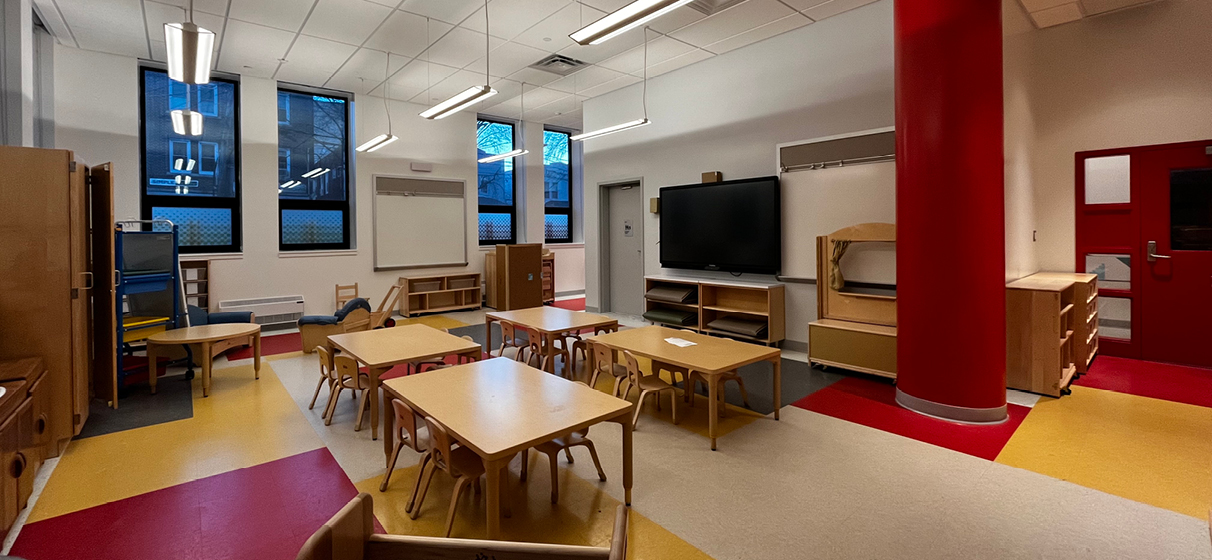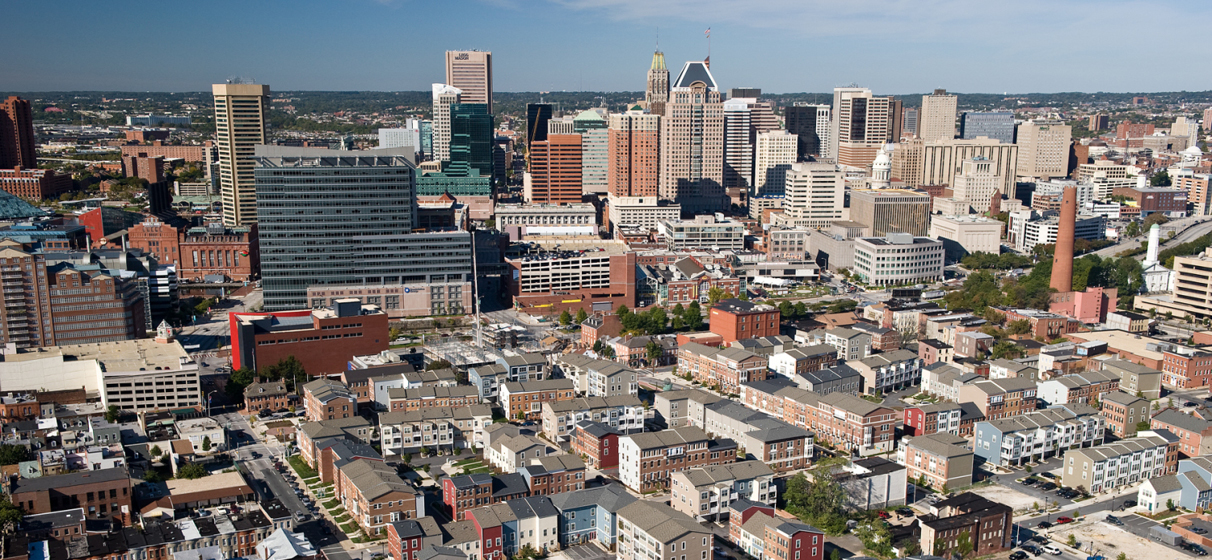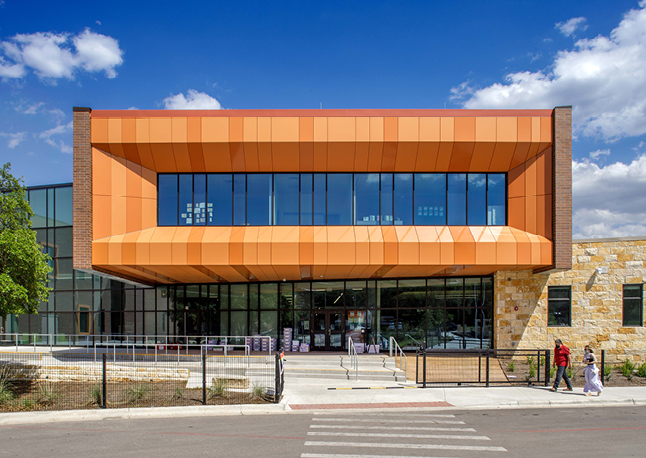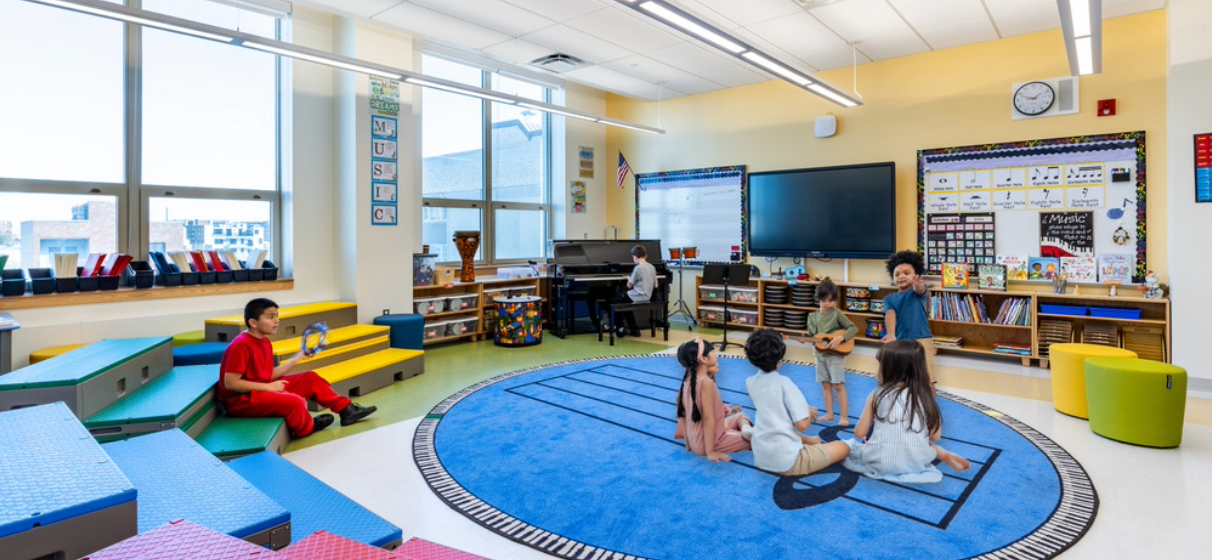
School districts across the United States are facing a complex convergence of challenges: rising construction costs, shifting enrollment patterns, and a growing number of vacant or underutilized commercial buildings left in the wake of post-pandemic workplace changes. At the same time, the average main instructional building is now 49 years old, placing mounting pressure on communities to modernize facilities and expand capacity – often within the constraints of aging infrastructure and limited public funding.
These factors are reshaping how and where learning happens, prompting districts to look beyond traditional, single-use school models. Rather than approaching facility needs, real estate conditions and long-term growth in isolation, many educators are asking a more strategic question: how can new school capacity be delivered while maximizing existing assets and strengthening the surrounding community?
In this roundtable, Lauren Alger, vice president and director of sustainable design, and Alexa Heidrich, senior planning manager and deputy director, discuss how adaptive reuse and mixed-use planning can help school districts and municipalities transform existing infrastructure and unlock financial, operational and long-term community benefits, while positioning projects for resilience and flexibility.
Why is adaptive reuse gaining traction in education planning right now?
Lauren Alger: We’re seeing three main drivers converging. First, commercial vacancies represent already developed sites with utilities, transit access and infrastructure in place. Second, the cost of new construction has become increasingly challenging for public agencies to absorb. And third, families relocating to suburban areas still want walkable, connected environments with access to schools, services and amenities.
Alexa Heidrich: Adaptive reuse allows communities to respond to all three. Instead of starting from scratch, districts can repurpose existing buildings into schools or mixed-use education hubs that deliver capacity faster, with the potential for lower costs. Feasibility studies help quickly determine what works well for a community; for instance, a former warehouse or retail space can be evaluated with the unique sizes and building systems required for modern classrooms.
How does this approach change the way project costs and benefits are evaluated in project planning?
Alexa Heidrich: Adaptive reuse encourages a broader lens. At STV, we consider Total Value Comparisons, not just capital expenses. That includes revenue potential from co-located uses, reduced infrastructure investments and long-term operational efficiencies.
From a financial perspective, reuse can also shorten delivery timelines. Existing structures eliminate months or sometimes years of entitlement, utility extensions and site work. Those savings can be reinvested into educational quality, technology or community amenities.
Lauren Alger: There’s also real economic value in location. Placing schools in denser, mixed-use areas supports walkability and transit use, reduces transportation burdens for families and staff and creates a community anchor that benefits surrounding businesses.
What policy or planning barriers need to be addressed to scale adaptive reuse for schools?
Lauren Alger: Many zoning codes were written for low-density, single-use development. Vertical schools or mixed-use education facilities often don’t fit neatly within those frameworks. Tools like Adaptive Reuse Ordinances, density bonuses and grant applications can be critical to unlocking these projects.
Alexa Heidrich: There’s also a need for clearer, more predictable review processes. School conversions often involve complex building code and safety changes, especially when multiple agencies are involved in the process. Early alignment between planning departments, school authorities and economic development teams helps avoid delays and fosters confidence among both public and private partners.
What does a successful path forward look like for communities considering this model?
Alexa Heidrich: It starts with agency alignment. Everyone needs to agree on the goal. From there, a data-driven asset inventory can replace traditional site selection, helping identify buildings with strong reuse potential. Proactive zoning analysis, targeted incentives and a finance model that accounts for lifecycle and revenue value all play a role.
Lauren Alger: Ultimately, this is about building smarter with what communities already have. The most sustainable building is often the one that already exists; districts can find transformative opportunities by reimagining their spaces in response to current needs. Adaptive reuse and mixed-use planning offer school districts a way to deliver capacity that’s fiscally responsible, flexible for future needs and deeply connected to the communities they serve.