Airport owners today are being asked to modernize aging infrastructure, improve resilience and accommodate evolving operational demands without disrupting the facilities that keep passengers and airlines moving.
As these challenges become more complex, many airports are looking beyond traditional delivery methods. One approach gaining traction is progressive design-build (PDB), which brings owners, designers and contractors together earlier to better understand risk, refine scope and validate key decisions before construction begins.
In aviation, where operational continuity is often just as important as the infrastructure itself, that approach can be particularly valuable.
The growing interest in PDB comes at a time when U.S. airports are preparing for unprecedented levels of investment. According to Airports Council International-North America, airports face nearly $174 billion in infrastructure needs between 2025 and 2029, spanning terminals, airfields, access improvements, resiliency initiatives and support facilities.
Many of those projects involve modernizing existing assets rather than building new facilities from scratch. That distinction matters because older infrastructure often comes with unknown conditions, incomplete documentation and operational constraints that can introduce risk long before construction begins.
In my experience, one of the biggest advantages of PDB is that it allows project teams to investigate those uncertainties earlier.
Rather than advancing design and construction on separate tracks, owners can bring designers, builders and key stakeholders together from the outset. Existing conditions can be evaluated, alternatives can be tested and phasing strategies can be developed while there is still flexibility to adapt. The result is often a clearer understanding of cost, schedule and project constraints before major commitments are made. For airports, where even small disruptions can affect operations, passengers and airline partners, that visibility can be especially valuable.
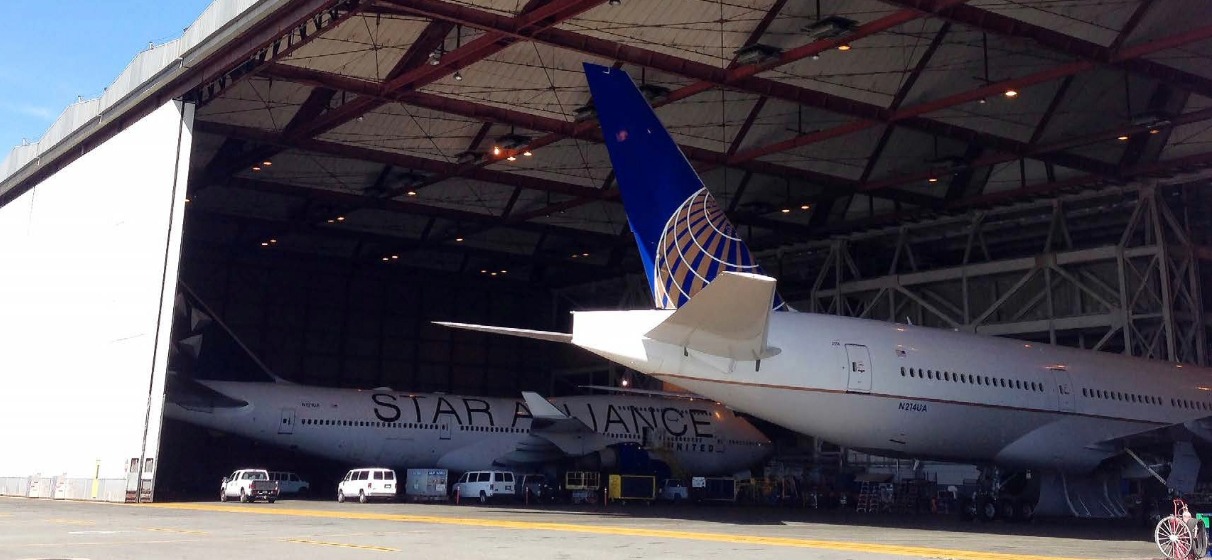
A recent example of PDF in aviation is the modernization of the Superbay Hangar at San Francisco International Airport. STV is helping to deliver the project as a major subconsultant to the HCI/InnoActive joint venture.
More broadly, the growing use of PDB reflects a shift in how airport owners are approaching complex capital improvements. Owners are increasingly looking for delivery strategies that help diverse stakeholder groups make decisions together rather than sequentially. Airports bring together operations teams, maintenance personnel, airline partners, contractors, engineers and leadership groups, all of whom bring different priorities to a project. PDB creates a framework for evaluating those perspectives through technical, operational and financial lenses before critical decisions are made.
That does not mean progressive design-build is the right fit for every project. Delivery decisions should always be based on project objectives, organizational capabilities and procurement requirements.
But for complex aviation projects involving aging infrastructure, uncertain conditions and active operations, PDB offers a compelling alternative. It allows teams to identify challenges sooner, evaluate options more thoroughly and develop solutions grounded in a shared understanding of project goals.
As airports continue investing in modernization, resilience and operational readiness, interest in progressive design-build is likely to grow.
For owners, its value lies in creating an earlier and more collaborative framework for understanding risk, evaluating options and building consensus before major commitments are made. In aviation, where maintaining operations is often as crucial as delivering the infrastructure itself, that ability can help owners advance complex improvements with a clearer understanding of risks, opportunities and project objectives before major decisions are made.