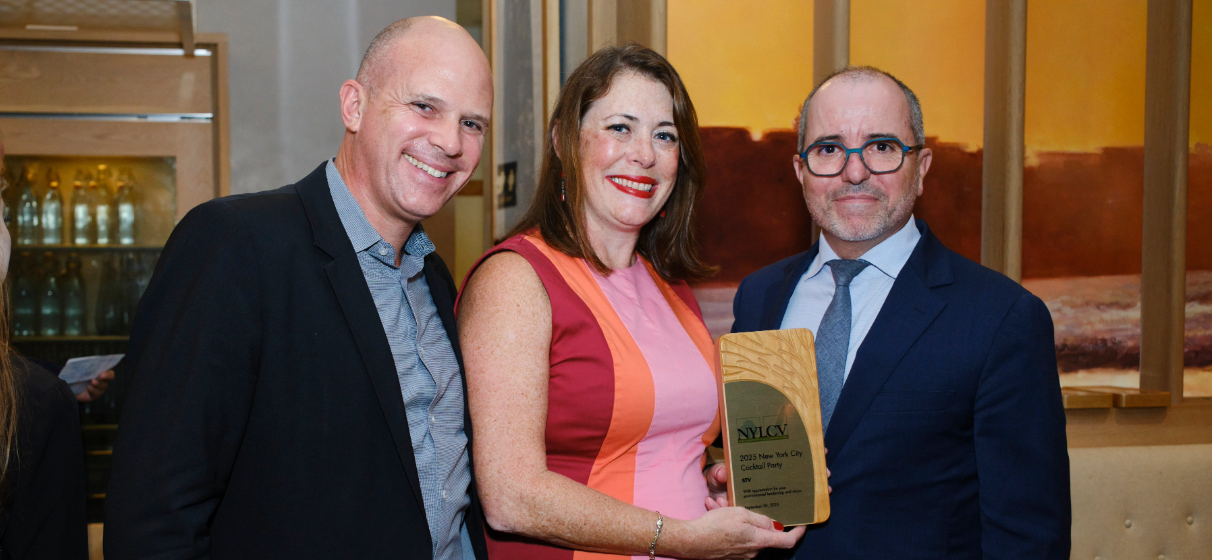
The New York League of Conservation Voters (NYLCV) has recognized STV with the Private Sector Award for Resilience and Sustainable Design – the first time an AEC industry organization has received this honor.
NYLCV is a statewide, nonpartisan environmental organization dedicated to clean air, clean water, renewable energy and open space. The organization honored STV at its annual NYC Cocktail Party – where leaders from government, business, and the environmental community gather to honor sustainability champions. STV was celebrated for its leadership in advancing New York’s transit system. Janno Lieber, chair and CEO of the Metropolitan Transportation Authority, was also recognized with NYLCV’s public sector award.
“We are thrilled to receive this historic award from NYLCV,” said Marcos Díaz González, president, transportation northeast at STV. “Resilient and sustainable transit design is central to our purpose – to make communities better because stronger transit means a stronger New York. Together, we’re reimagining infrastructure that not only meets today’s needs but empowers the city to thrive for decades to come.”
From major rail yards and crucial tunnels to modernized bus depots, zero-emission vehicles and viaducts, STV’s work in the New York metropolitan region reflects a legacy of resilience and an unwavering commitment to designing infrastructure that protects communities and advances sustainability.
Here are some of those recent highlights:
Coney Island Yard Flood Mitigation
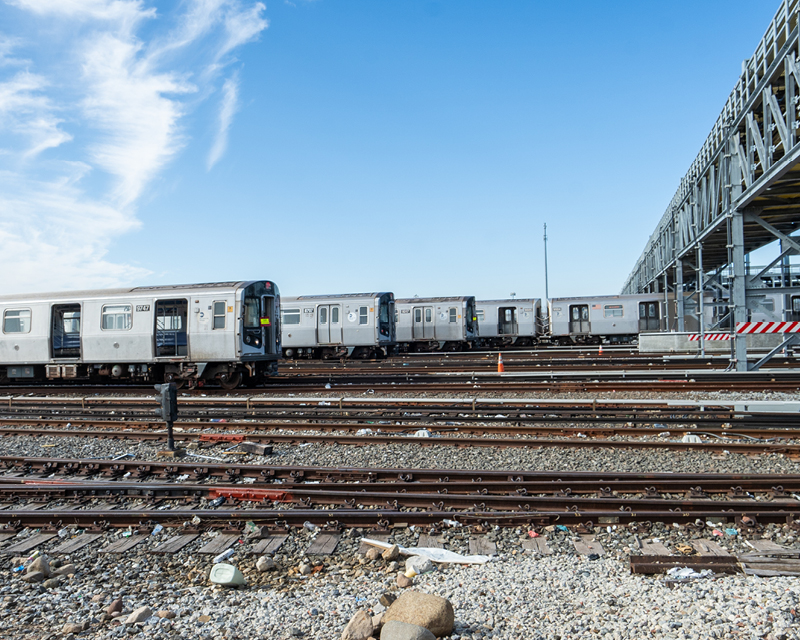
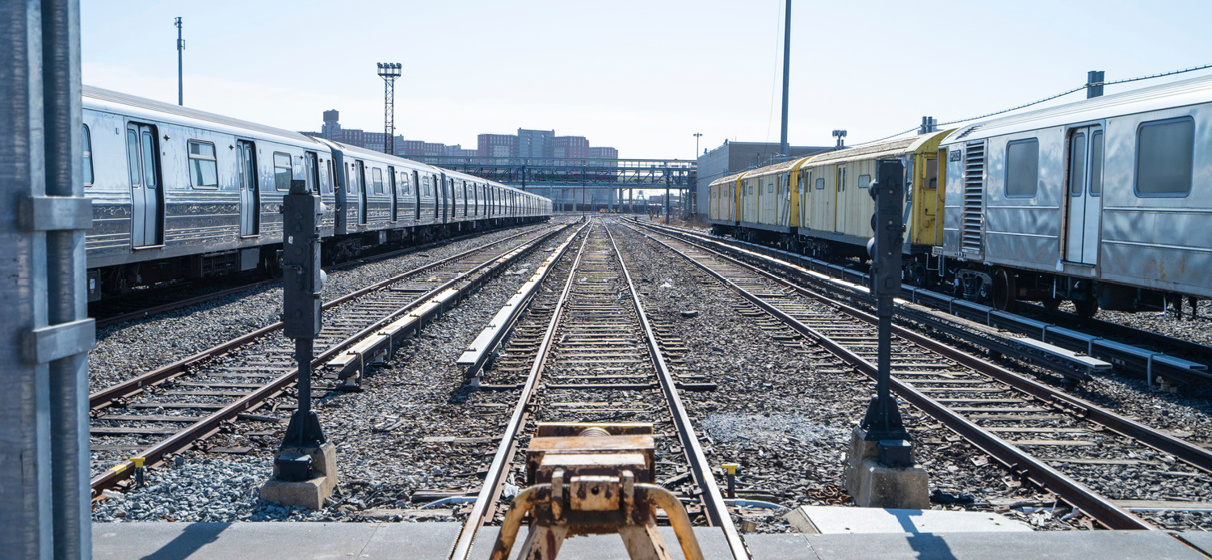
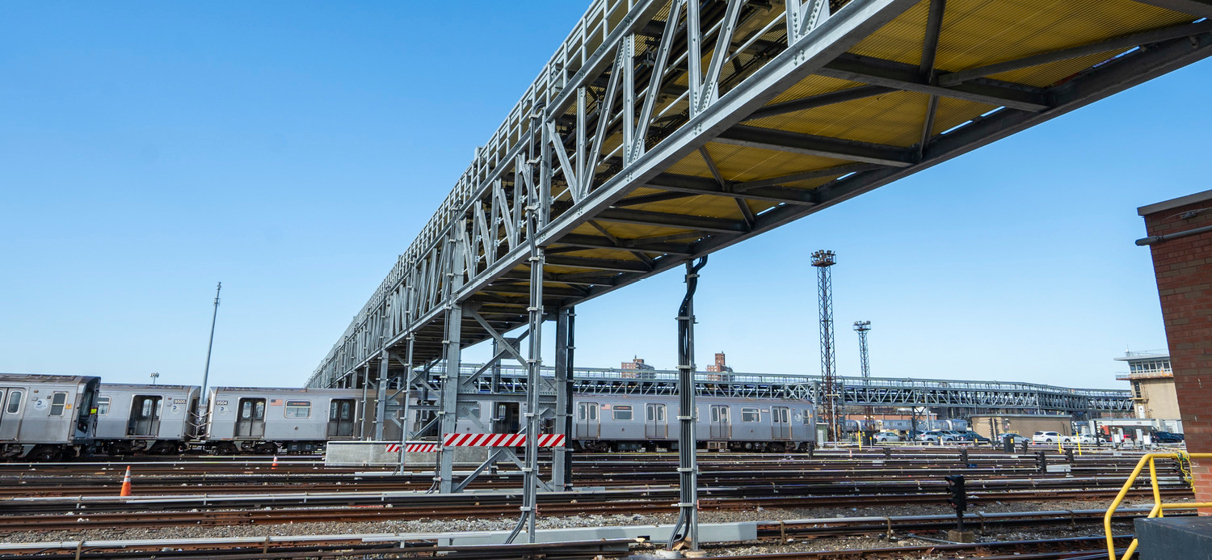
One of the largest rapid transit yards in North America, New York City Transit’s (NYC Transit) Coney Island Yard was devastated by Superstorm Sandy in 2012. STV helped spearhead a multifaceted resiliency program that implemented short- and long-term solutions for the complex, including nearly three miles of perimeter floodwalls, flood gates and pumping systems, as well as the hardening of other critical facilities. These measures now protect subway car storage and maintenance operations that are essential for daily service across the transit system.
Transit System Fan Plants and Tunnels
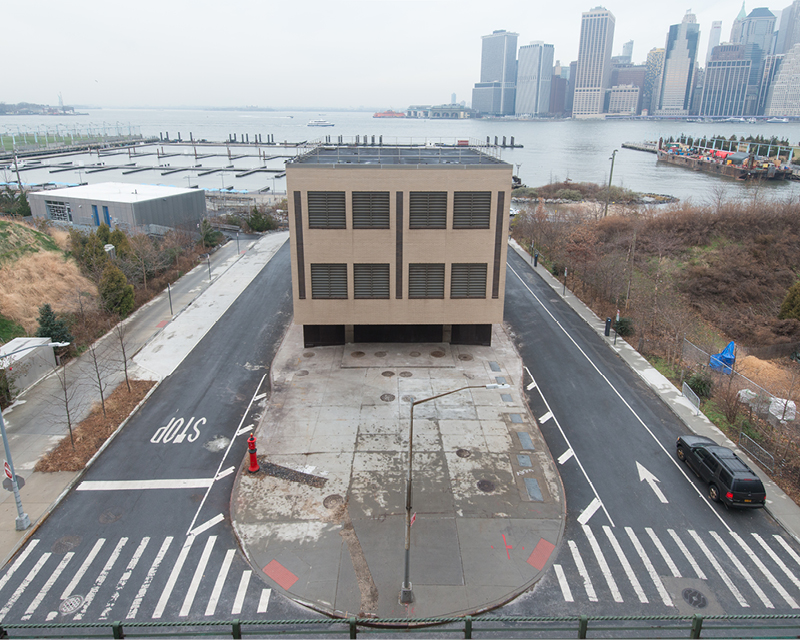
Fan plants and adjacent tunnels are critical for the safety and ventilation of a subway system, but also highly susceptible to flooding. On behalf of NYC Transit, STV prepared a feasibility study, master plan and hardening and repair drawings that helped fortify multiple fan plant sites across New York. The team explored multiple solutions, including flood barriers, hardened access points and new stormwater management systems to ensure safe evacuation and ventilation capabilities in the event of extreme weather.
Hoboken Ferry Terminal Resilience
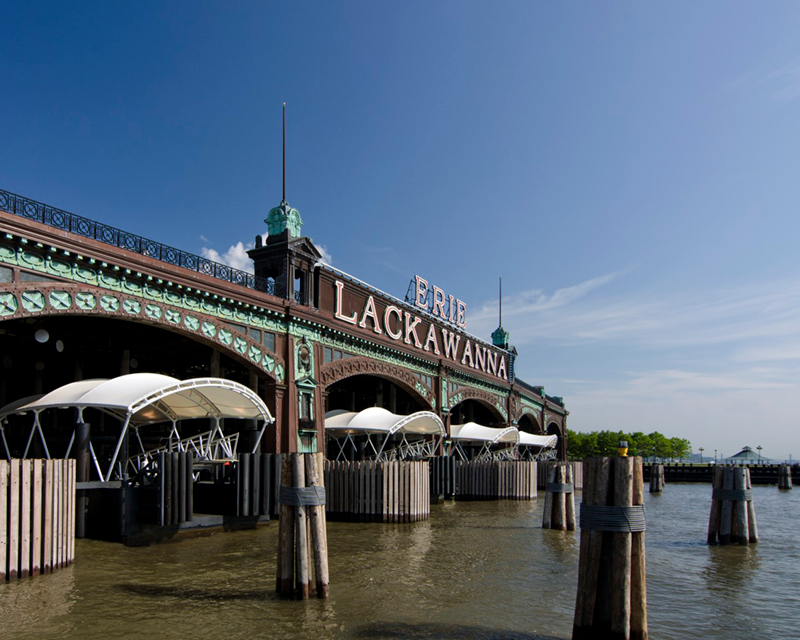
The historic Hoboken Ferry Terminal and Yard, located on the Hudson River waterfront, is both a key transit hub that connects New Jersey to New York City, and an architectural landmark. After serving as the project manager for NJ TRANSIT’s historic rehabilitation of the terminal, following Superstorm Sandy, STV’s team developed floodproofing and resilience measures to protect the facility against future storm surges while maintaining its historic character. Upgrades included flood barriers, structural reinforcements and waterproofing systems to safeguard daily ferry, bus and rail operations that connect thousands of commuters in the region.
Mother Clara Hale Bus Depot
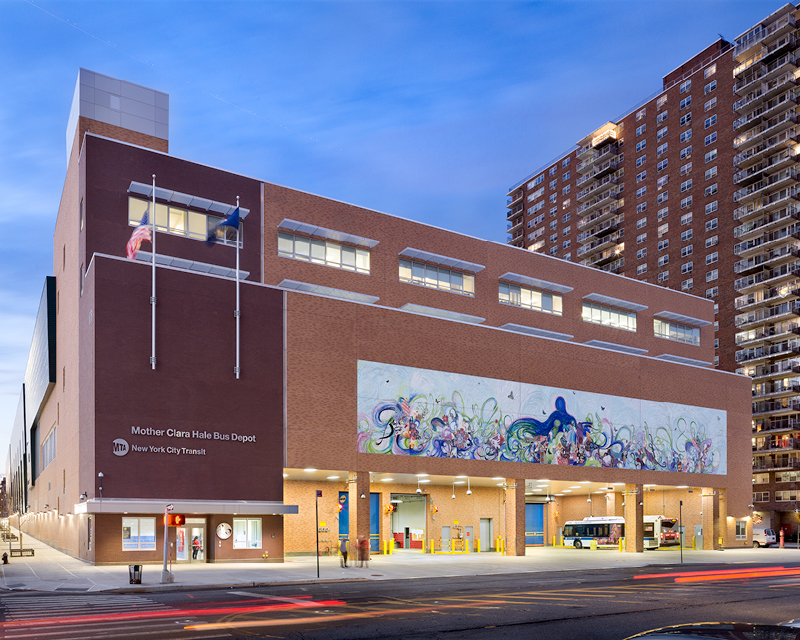
In Harlem, NYC Transit’s Mother Clara Hale Bus Depot was designed by STV as a model of sustainability in transit facility development. The LEED Gold-certified depot replaced an aging trolley barn with a modern facility that incorporates a green roof, rainwater harvesting, high-efficiency lighting and infrastructure to accommodate future bus fleets. The project demonstrates how sustainable design not only reduces environmental impacts but also improves air quality and community health.
Jamaica Bus Depot Environmental Review
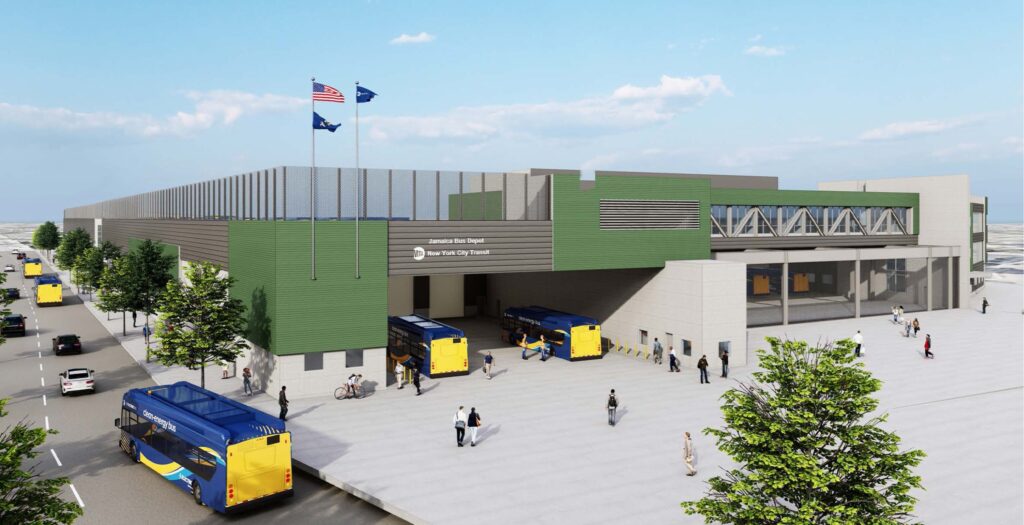
STV supported NYC Transit with environmental documentation and permitting for the planned Jamaica Bus Depot, ensuring compliance with rigorous air-quality and sustainability standards. Following this phase, STV was selected as the lead designer for the new depot and parking lot as part of the design-build team led by Skanska. The program advances the MTA’s long-term commitment to zero-emission fleets and demonstrates how careful environmental planning is integral to delivering resilient transit infrastructure.
Park Avenue Viaduct Replacement
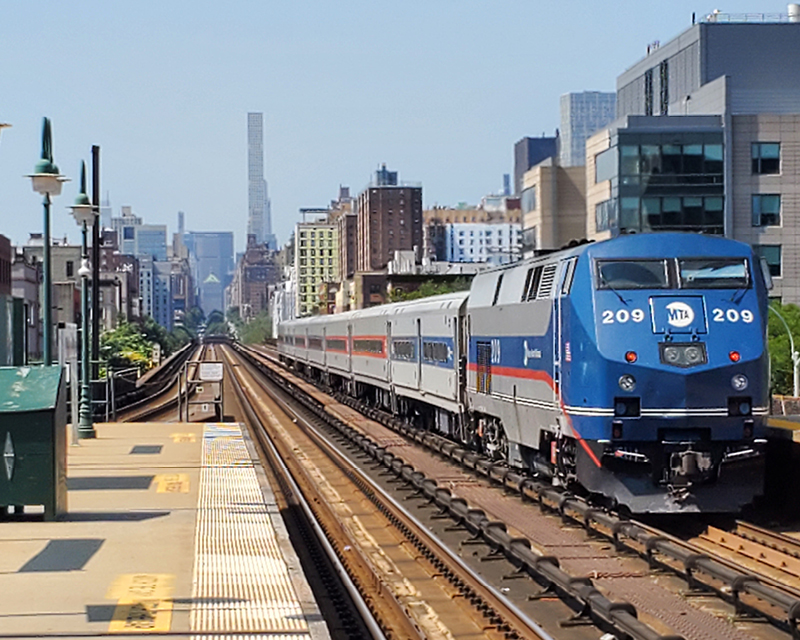
The 100-year-old Park Avenue Viaduct is vital to New York’s transit network, carrying nearly all Metro-North Railroad trains into Grand Central Terminal. But it currently faces significant structural challenges. STV led the environmental review for its replacement, focusing on impacts in East Harlem, an Environmental Justice community located directly beneath the structure. Our team worked with Metro-North to assess cultural, residential and business impacts, while developing construction phasing and mitigation strategies to minimize disruption. Through targeted outreach and engagement, STV helped ensure that the project advances critical infrastructure renewal while addressing community needs.