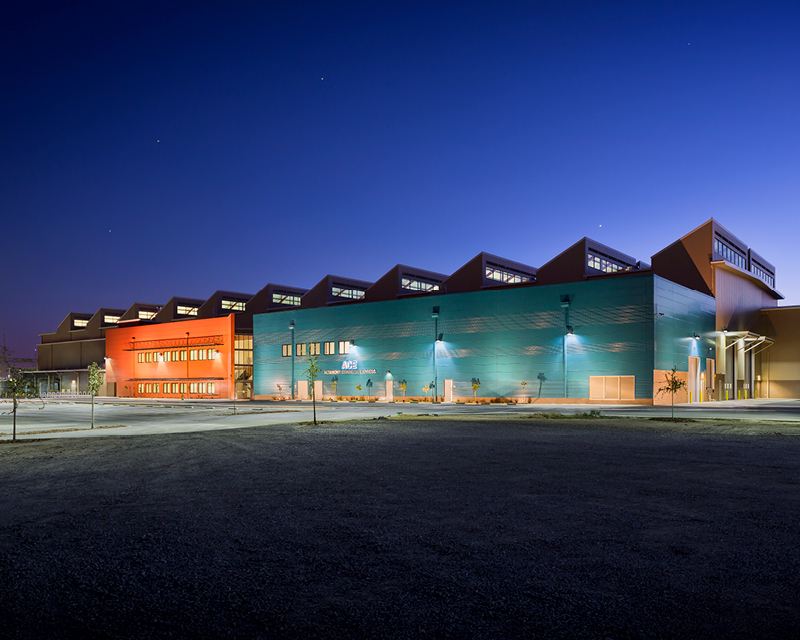
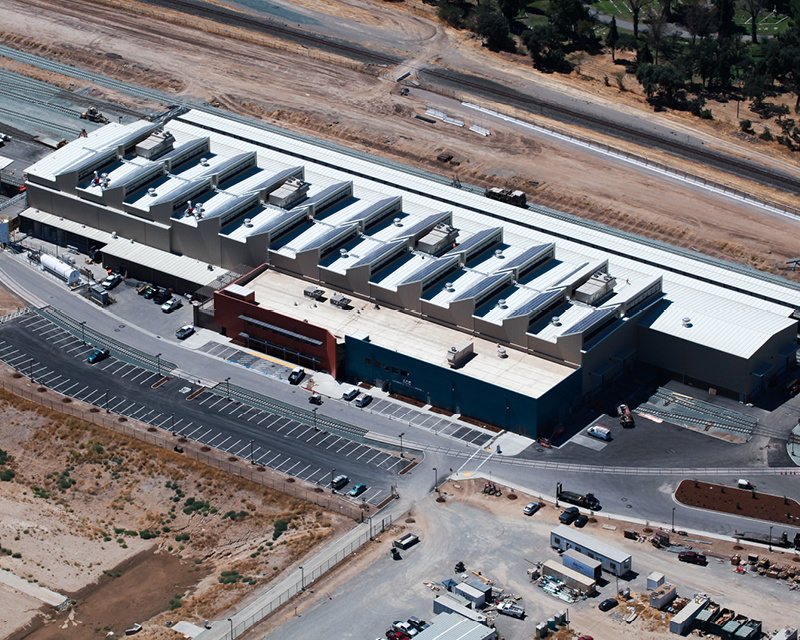
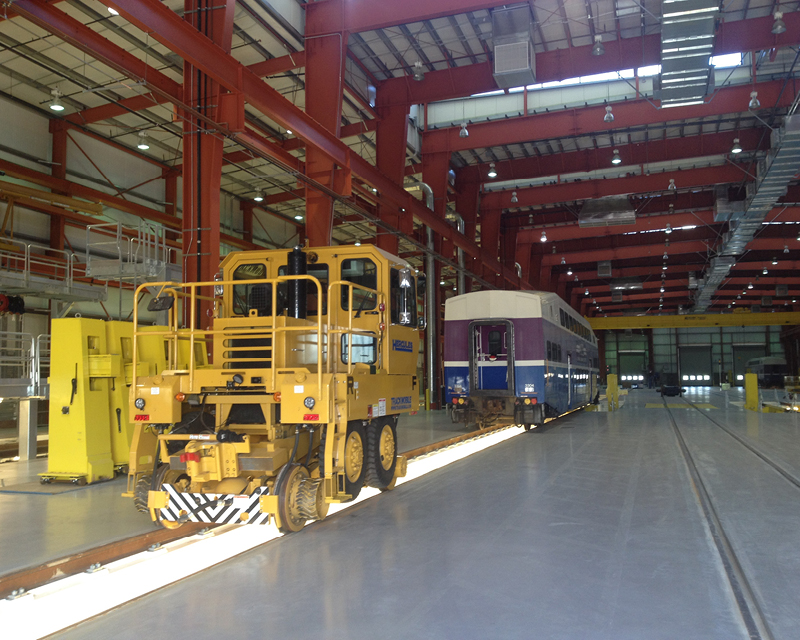
To support the growing Altamont Commuter Express (ACE) service and future passenger rail expansions, the San Joaquin Regional Rail Commission advanced the development of a new 64‑acre equipment storage and maintenance facility in Stockton, California. The 121,000‑square‑foot main building provides space for repair, cleaning, servicing and overnight storage of locomotives and passenger cars. Designed to improve operational efficiency and accommodate long‑term growth, the facility represents a major investment in sustainable and resilient commuter rail infrastructure.
What challenges did STV address?
Developing a maintenance complex of this scale required a multidisciplinary approach to support heavy‑duty equipment, integrate specialized shop functions and create a safe, efficient environment for mechanical and operations personnel. The team also needed to address energy efficiency goals and sitewide sustainability requirements, ensuring the facility could operate cost effectively while reducing environmental impact.
What solutions did STV deliver?
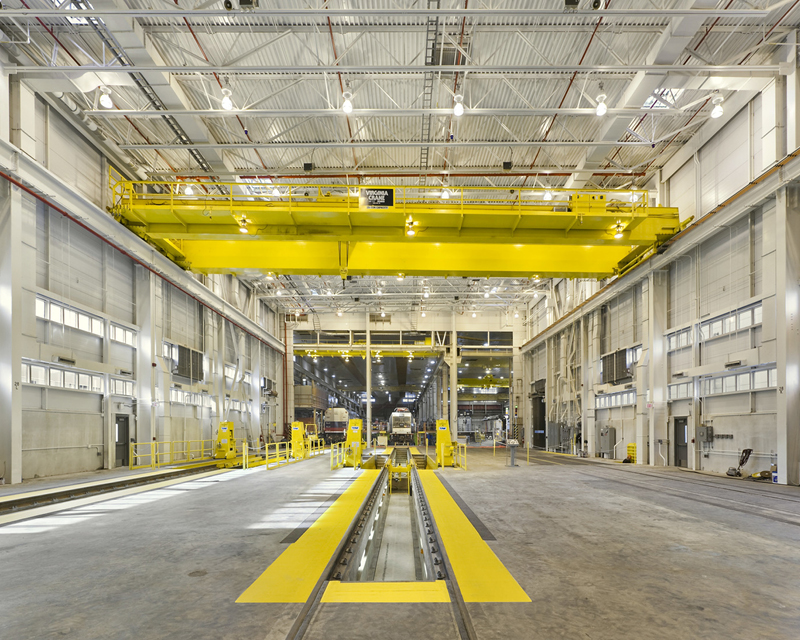
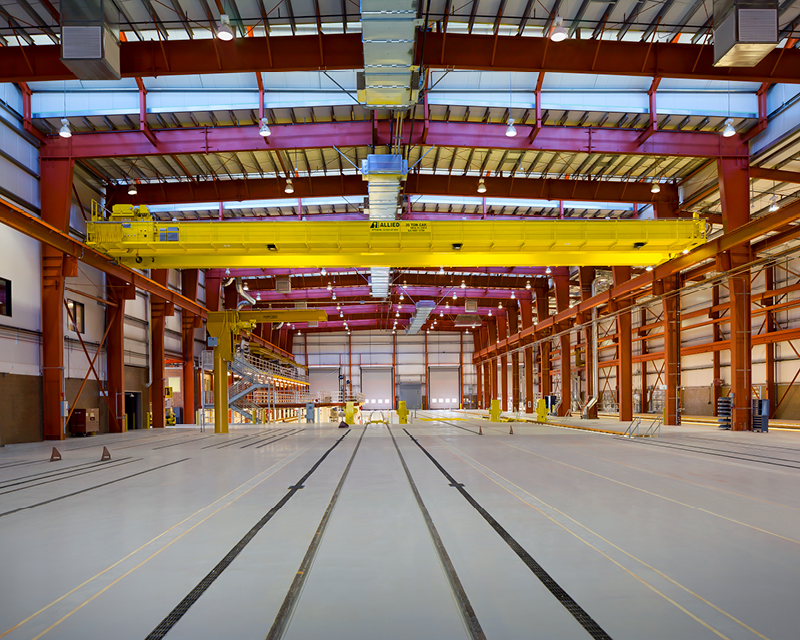
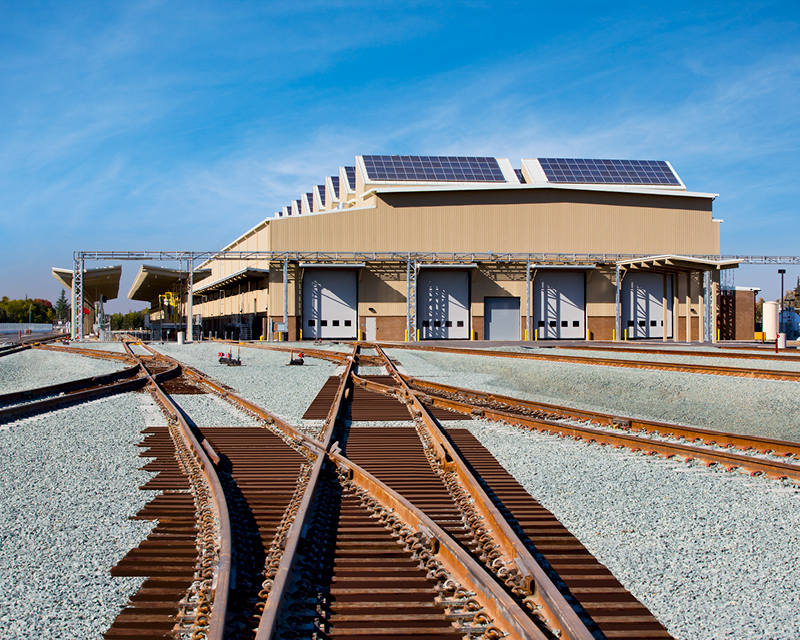
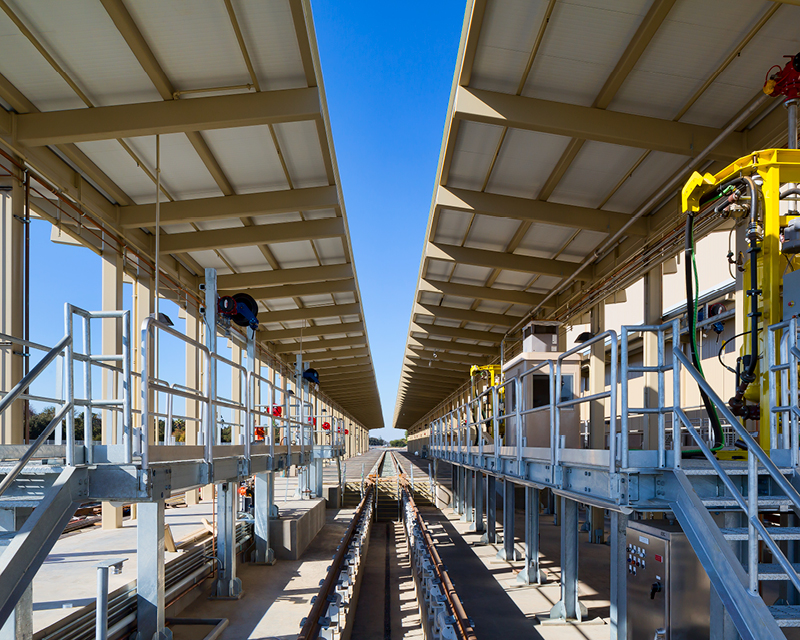
STV oversaw the full design of the facility, including architectural, structural, mechanical, electrical and civil engineering services. The main shop features three overhead cranes, a wheel truing machine, a drop table, stores areas and administrative and employee spaces. The saw‑tooth roof design allows for natural lighting and ventilation, while photovoltaic roof panels reduce grid energy consumption. Auxiliary facilities include a 26,500‑square‑foot service and inspection canopy, a 2,600‑square‑foot oil–water separator building and a 1,660‑square‑foot trainwash equipment building. STV also provided construction‑phase engineering support. The facility became the first of its kind in the United States to earn LEED Silver certification.
How does this project benefit the region?
The new facility increases ACE’s maintenance capacity, supports fleet reliability and enables future rail expansion. Sustainable design elements reduce operating costs and emphasize long‑term environmental responsibility for the commuter rail network.
Key stats and accolades
- 64‑acre site with 121,000‑square‑foot main shop
- Photovoltaic panels and natural ventilation for improved energy performance
- Multiple auxiliary buildings including service canopy and trainwash facility
- First U.S. facility of its type to achieve LEED Silver certification