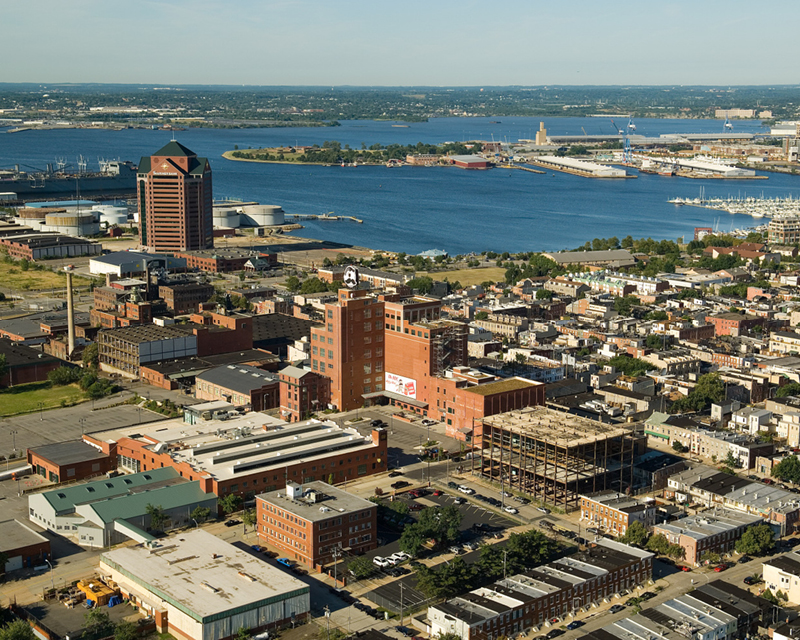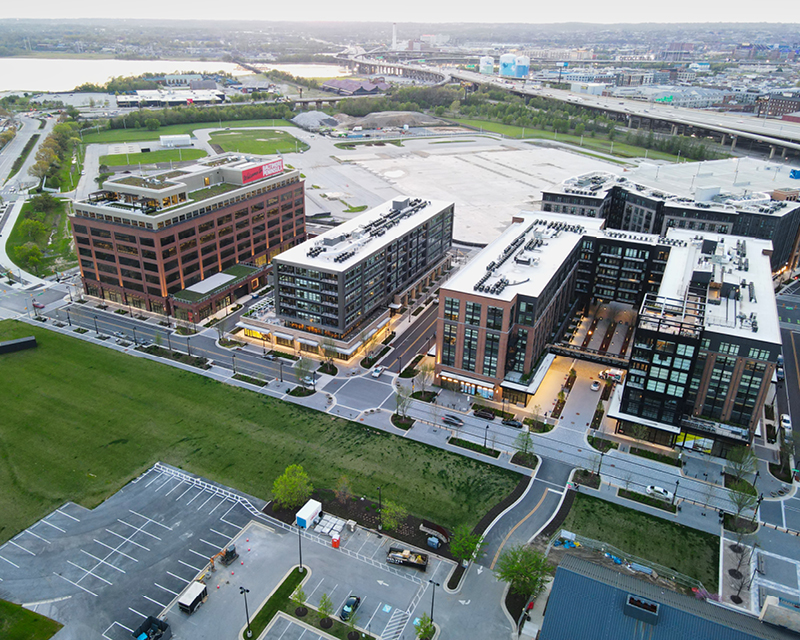
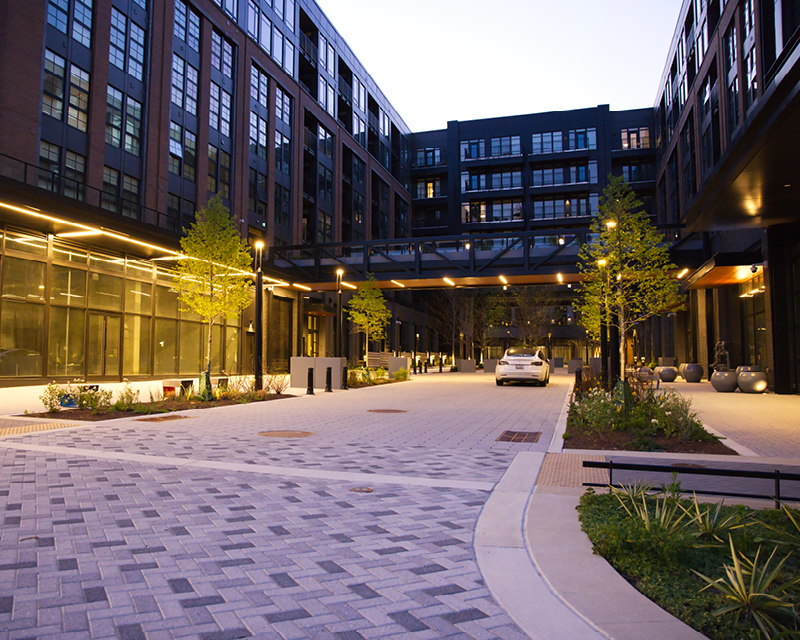
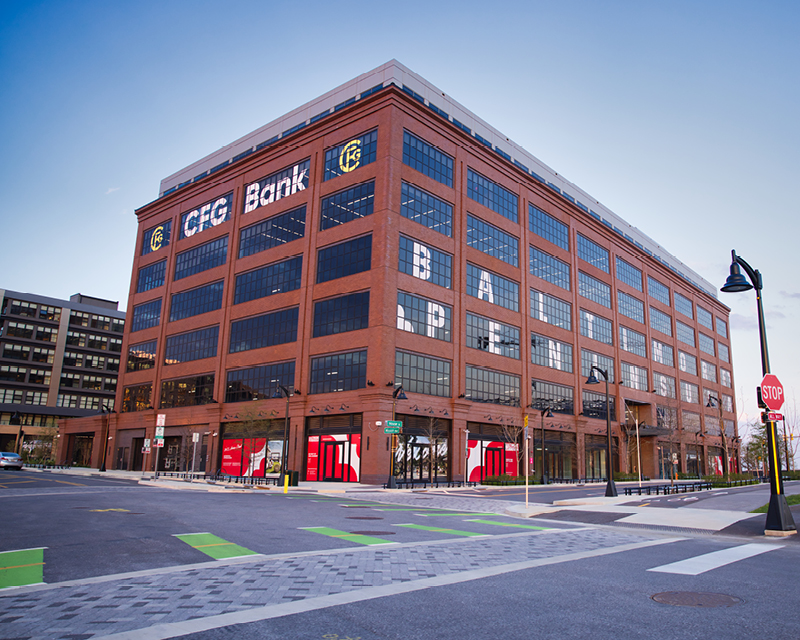
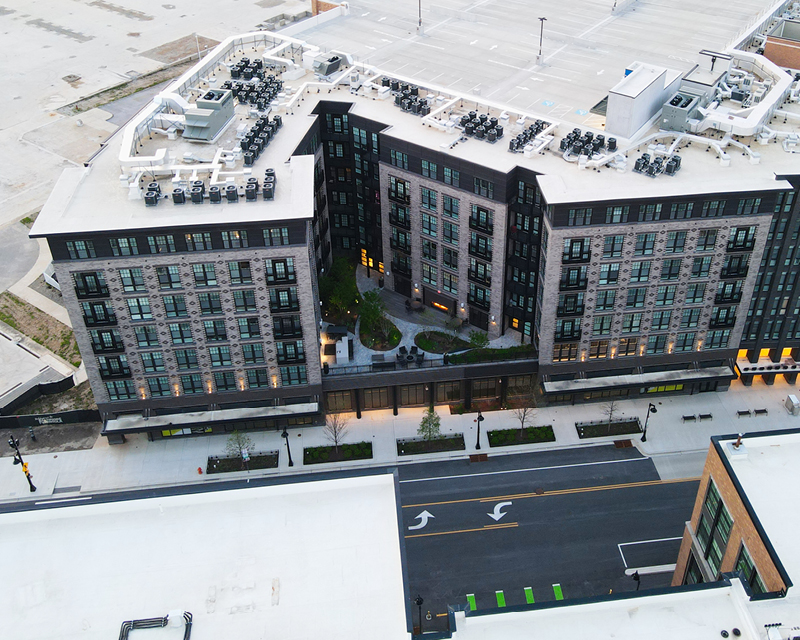
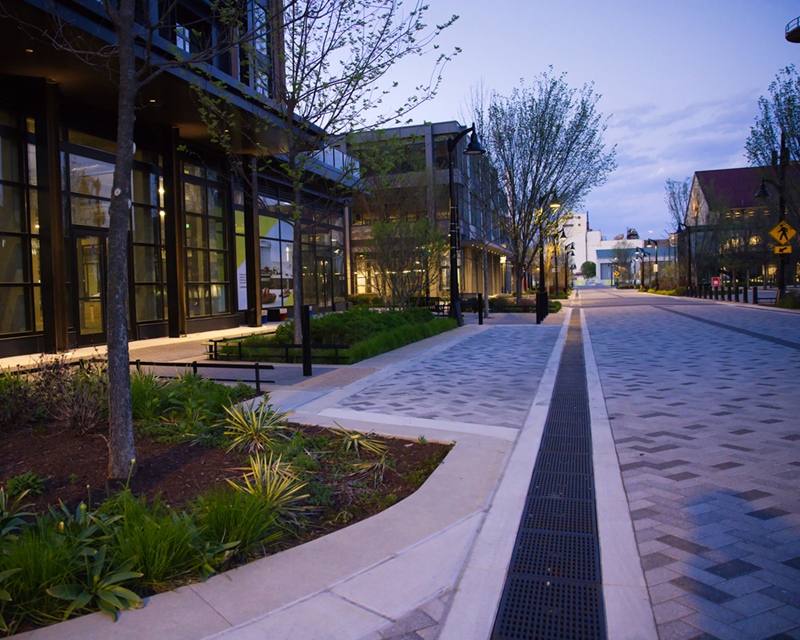
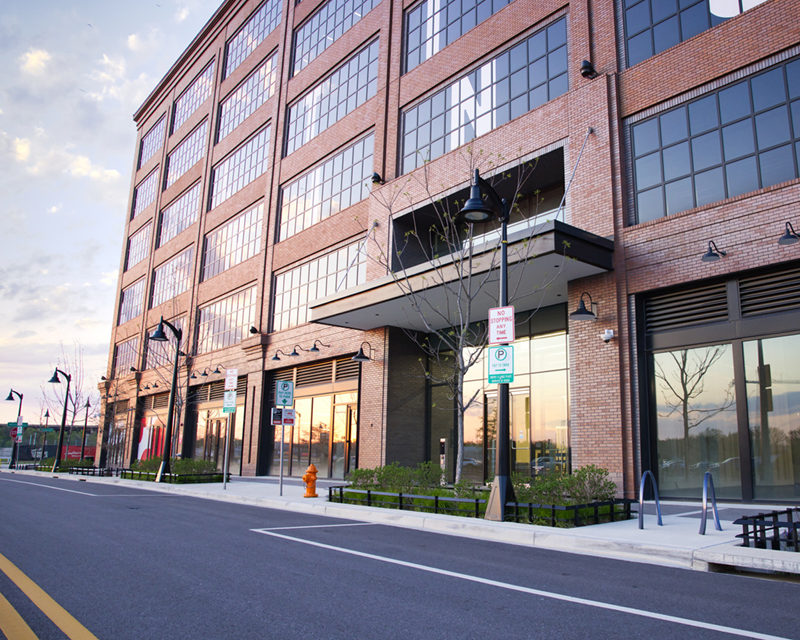
Baltimore Peninsula is one of the largest urban renewal efforts in the United States – a 235‑acre, mixed‑use redevelopment transforming a former industrial port into 14 million square feet of office, retail, residential and public space. Featuring 2.5 miles of restored waterfront, 40 acres of parks and extensive community‑focused amenities, the multi‑billion‑dollar district is poised to reshape Baltimore’s economic and cultural future. Chapter 1B, the first major phase of horizontal development, provides the public infrastructure required to support 15 new city blocks and the inaugural buildings of the neighborhood.
What challenges did STV address?
The development team needed resilient, multimodal and sustainable infrastructure that could integrate seamlessly into an active waterfront environment while supporting large‑scale district growth. Designing streets, utilities and public spaces ahead of vertical development required careful phasing, coordination with existing businesses and innovative stormwater strategies. The redevelopment also needed infrastructure that promotes walkability, safe cycling, transit access and environmental stewardship.
What solutions did STV deliver?
STV provided full civil engineering, permitting and construction administration services for Chapter 1B. The team designed multimodal streetscapes – including pedestrian, bicycle and bus facilities – alongside dark‑sky‑compliant lighting, innovative stormwater management systems featuring 125 micro‑bioretention facilities and utility infrastructure for all 15 blocks. STV also prepared maintenance‑of‑traffic plans and construction sequencing strategies to minimize operational disruptions. For two of the first five buildings – 250 Mission and Rye Street Market –STV delivered site civil engineering for new mixed‑use, commercial and market spaces.
How does this project benefit the region?
Chapter 1B lays the groundwork for a vibrant, inclusive neighborhood that enhances quality of life through parks, waterfront access, sustainable mobility options and community‑serving development. The district’s infrastructure promotes environmental resilience, economic revitalization and long‑term city pride for residents and visitors alike.
Key stats and accolades
- 125 micro‑bioretention stormwater treatment facilities
- 2.5 miles of restored waterfront
- 285 new trees planted
- Infrastructure supporting 15 new city blocks