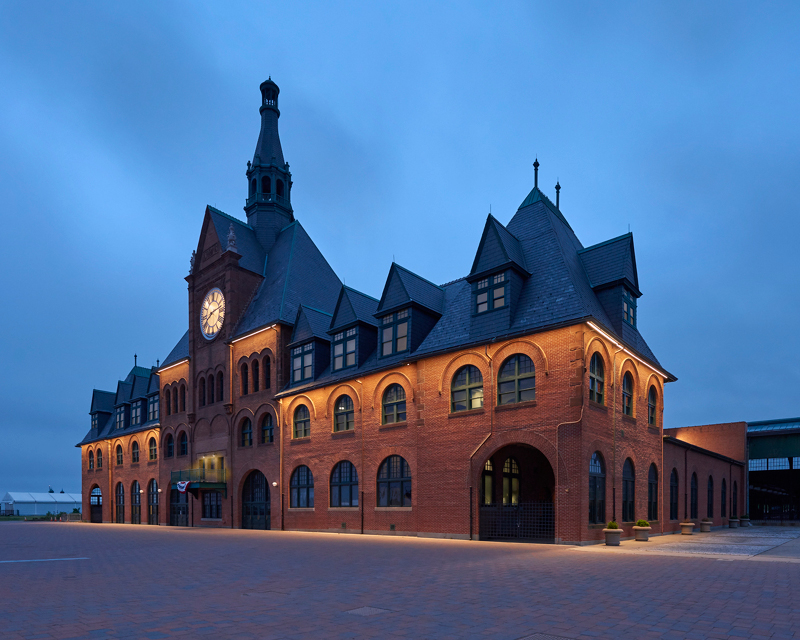
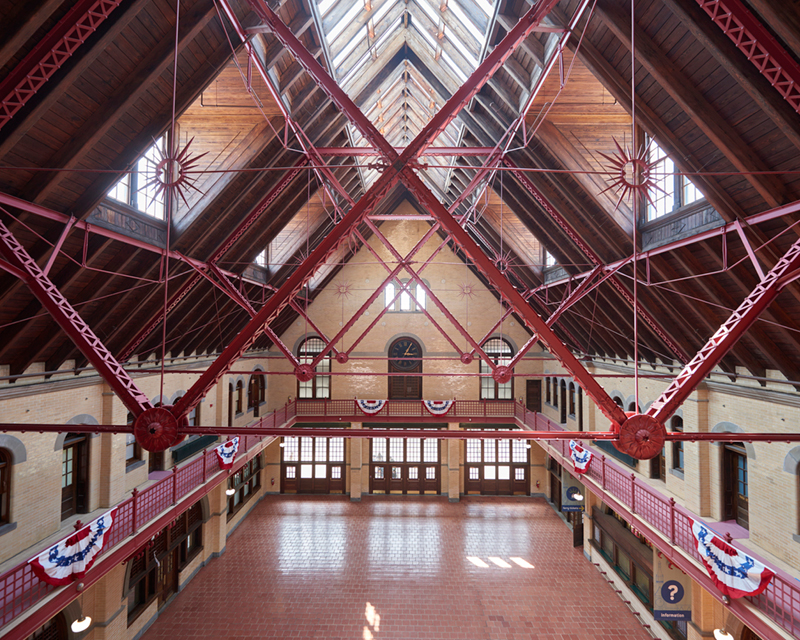
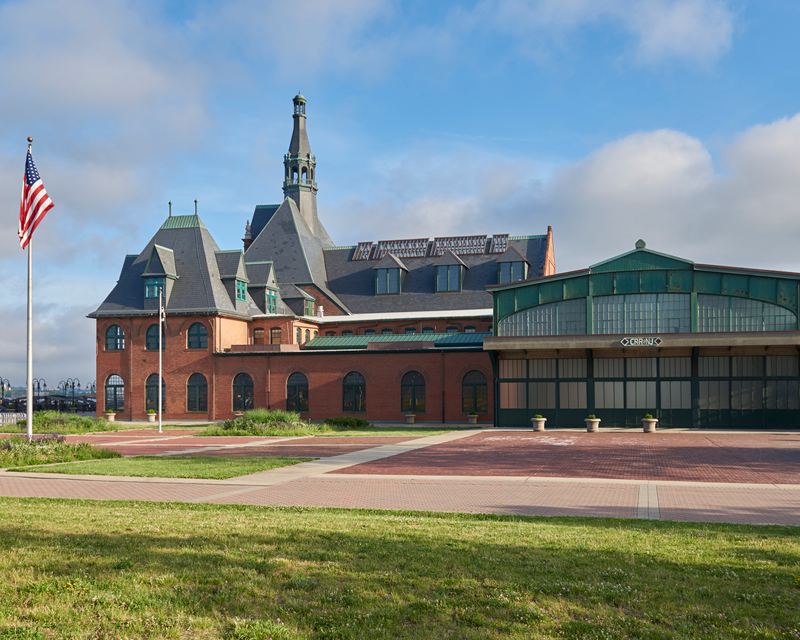
The historic Central Railroad of New Jersey Terminal in Jersey City once served as one of the busiest passenger rail hubs in the New York metropolitan area, connecting millions of immigrants arriving through Ellis Island to communities across the nation. After decades of abandonment and extensive flood damage from Superstorm Sandy, the New Jersey Division of Property Management and Construction selected STV to lead the restoration of this nationally significant landmark. STV served as the prime consultant for the rehabilitation of the 30,000‑square‑foot terminal, integrating modern building systems while preserving the building’s architectural character.
What challenges did STV address?
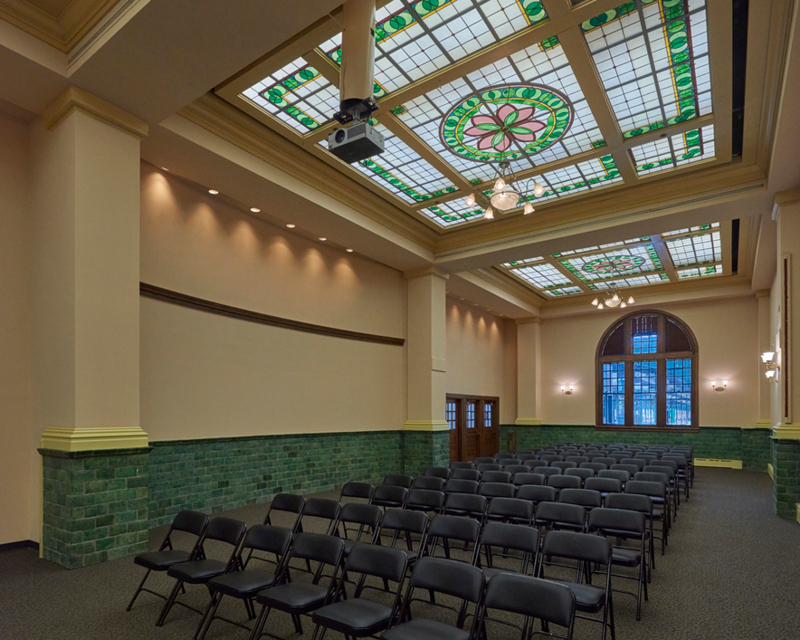
The terminal suffered severe storm‑related damage, including compromised fire protection, mechanical, electrical and plumbing systems and widespread deterioration of historic materials. The restoration required improving long‑term resilience against future flooding while respecting the structure’s listing on the State and National Registers of Historic Places. Preserving delicate historic elements, including stained‑glass ceiling panels, original woodwork and a distinctive cupola, added further complexity.
What solutions did STV deliver?
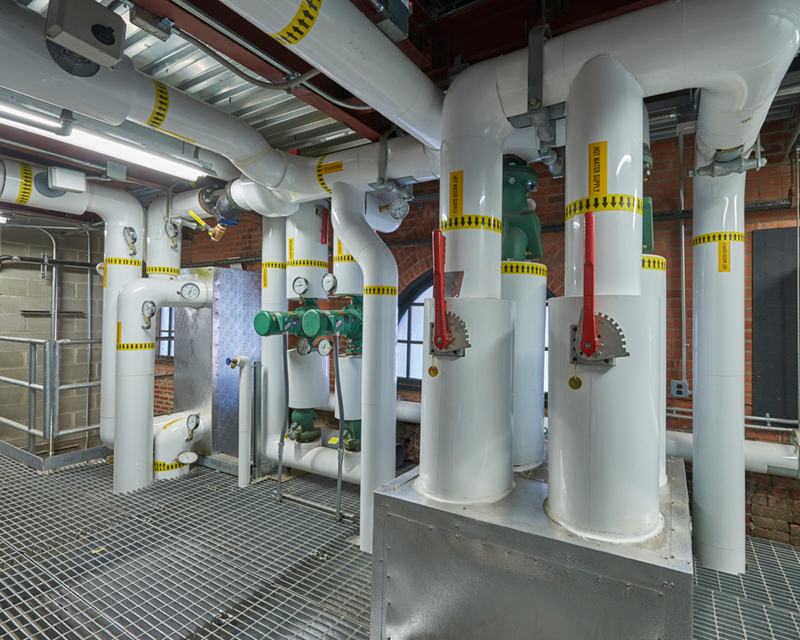
STV recommended a comprehensive restoration approach that integrated resilient building systems elevated above future flood levels. The team designed repairs for skylights, stained glass, windows, doors and roofing while restoring original architectural details. New mechanical, electrical and life‑safety systems were sensitively woven into the historic fabric to modernize the terminal without compromising its heritage.
How does this project benefit the community?
The restored terminal preserves an iconic cultural resource and enhances its resilience against future storm events. By safeguarding a nationally significant building, the project strengthens heritage tourism, celebrates local history and ensures this landmark remains accessible for generations.
Key stats and accolades
- 30,000‑sf historic terminal restored
- Systems elevated above future flood levels for resilience
- Restoration of stained glass, woodwork, skylights and cupola
- Listed on State and National Registers of Historic Places