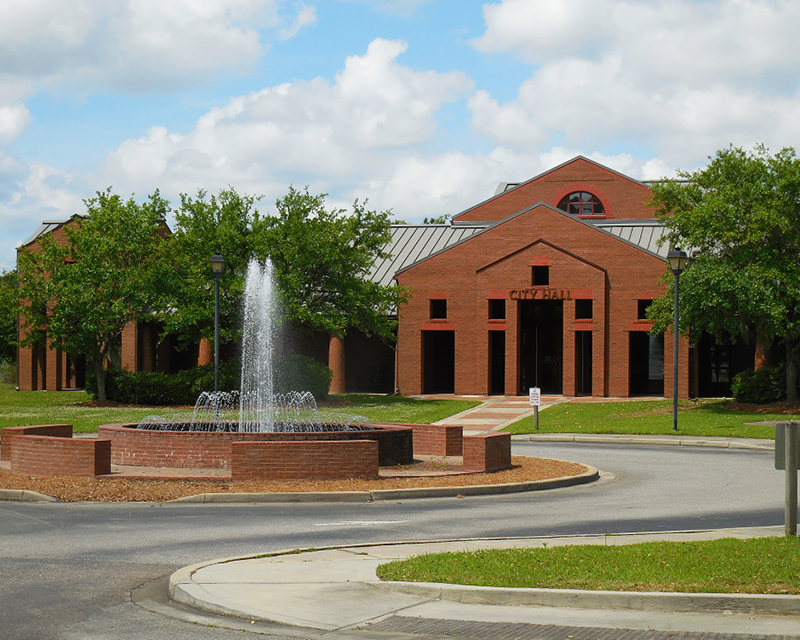
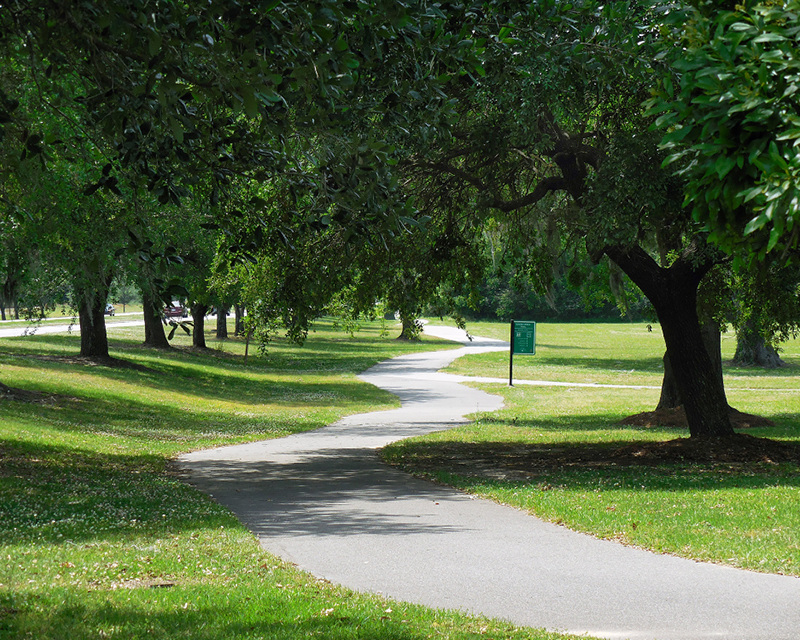
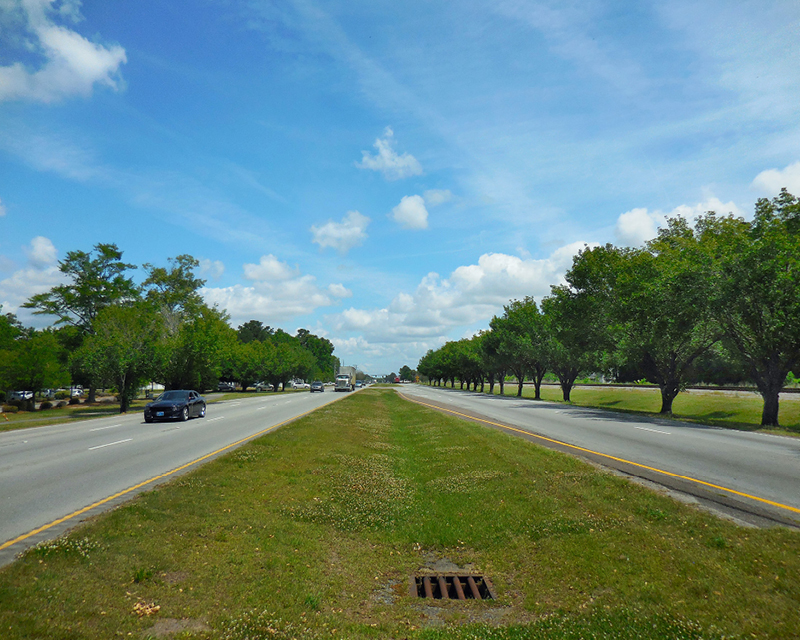
The US 52 Corridor Study supports one of the fastest‑growing regions in South Carolina, connecting the communities of Goose Creek and Moncks Corner. To help guide future investment, the Berkeley‑Charleston‑Dorchester Council of Governments (BCDCOG) initiated a study to evaluate current and future transportation needs along the 18‑mile corridor. STV provided providing program management, initial assessments, traffic analysis and multimodal evaluations to help determine how the corridor can safely and efficiently accommodate rapid regional growth. The study also incorporated public outreach to ensure that community priorities inform long‑term planning.
What challenges did STV address?
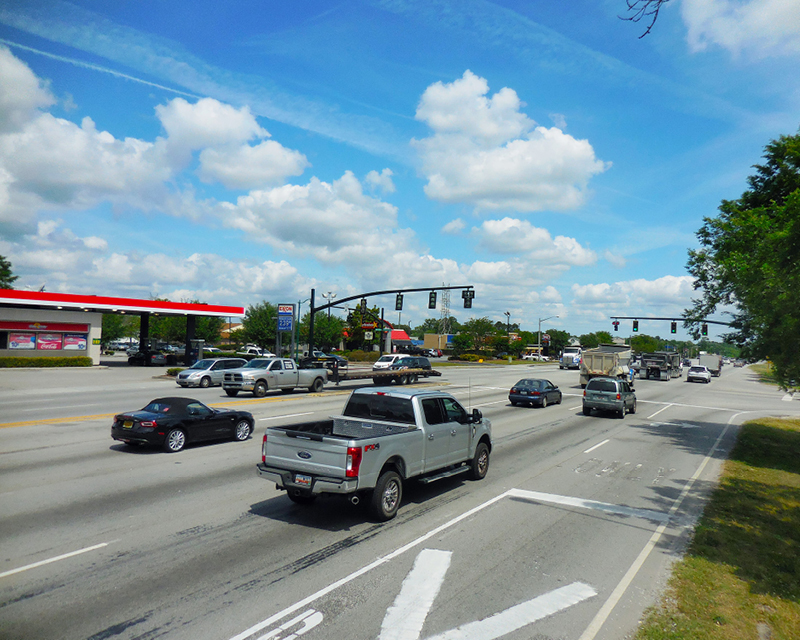
The corridor is experiencing significant residential and commercial development, leading to increased vehicle congestion, safety concerns and gaps in pedestrian and bicycle infrastructure. Because early traffic data was distorted by the COVID‑19 pandemic, the team needed to supplement incomplete volumes with historical data to keep the study on schedule. Coordination across multiple jurisdictions was also essential to ensure cohesive land use planning and corridor preservation.
What solutions did STV deliver?
STV conducted traffic engineering analyses, bike and pedestrian assessments and conditions evaluations to understand multimodal needs along the corridor. The team developed an implementation plan and funding strategy to support near‑ and long‑term improvements. STV also led stakeholder engagement to gather input from residents, local governments and partner agencies, helping shape a comprehensive corridor vision.
How does this project benefit the community?
The study guides future infrastructure investment, improve safety and strengthen transportation choices for a growing region. By integrating multimodal needs, sustainable development and coordinated land use planning, the corridor will be better equipped to handle growth while preserving community character.
Key stats and accolades
- 18‑mile regional corridor study
- Four‑phase program supporting long‑term growth
- Historical traffic data integrated to offset COVID‑19 impacts
- Multimodal assessments for vehicles, bikes and pedestrians
- Implementation plan and funding strategy under development