Active Mobility & Complete Streets

Designing Safer, Healthier, More Connected Communities: One Street at a Time.
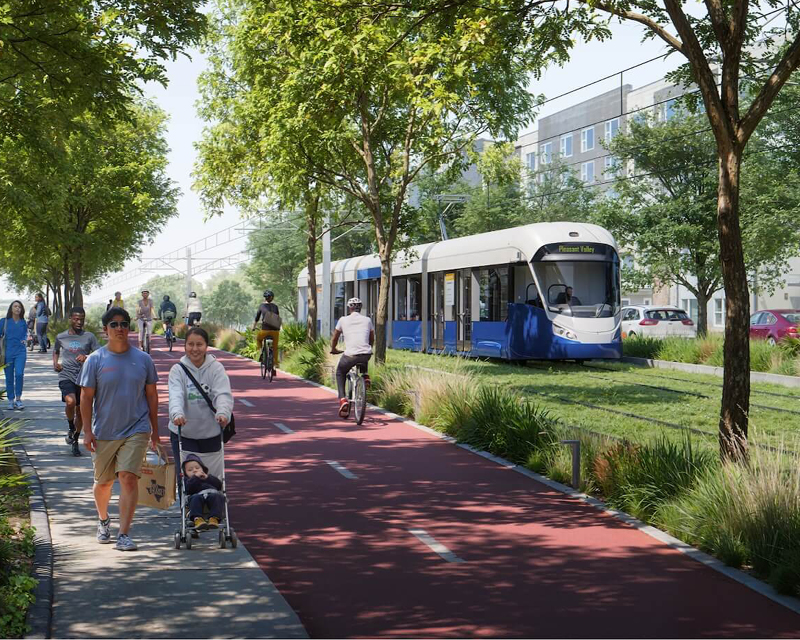
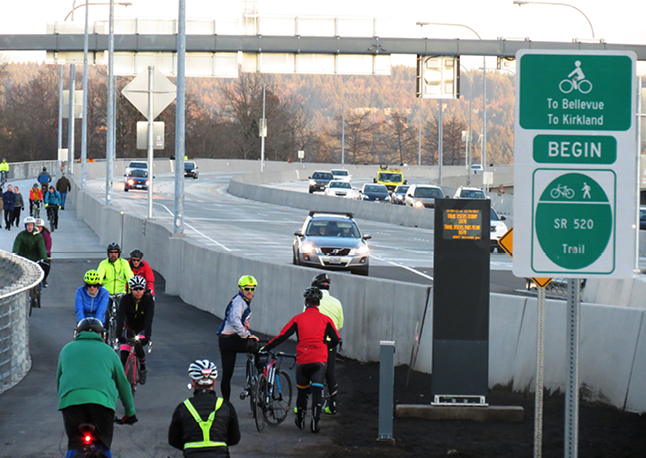
Active mobility focuses on creating streets and networks that safely support walking, bicycling, rolling and emerging micromobility options for users of all ages and abilities. Complete Streets take this concept further by balancing the needs of all users – pedestrians, cyclists, transit riders and drivers – within a single, integrated right‑of‑way. As communities respond to safety concerns, climate goals, and changing travel patterns, these people‑centered approaches are becoming essential to modern transportation planning and design.
STV partners with public agencies and municipalities to reimagine streets as places that support everyday life. Our work emphasizes pedestrian and bicycle safety, intuitive circulation and seamless connections to transit, trails and surrounding land uses. The result is infrastructure that improves mobility and access while strengthening community identity, public health and economic vitality.
STV’s Active Mobility & Complete Streets Capabilities
STV delivers active mobility and Complete Streets solutions through an integrated planning, engineering and design approach that reflects how people actually move:
- Complete Streets planning and design that balance safety, universal access and operations for all modes
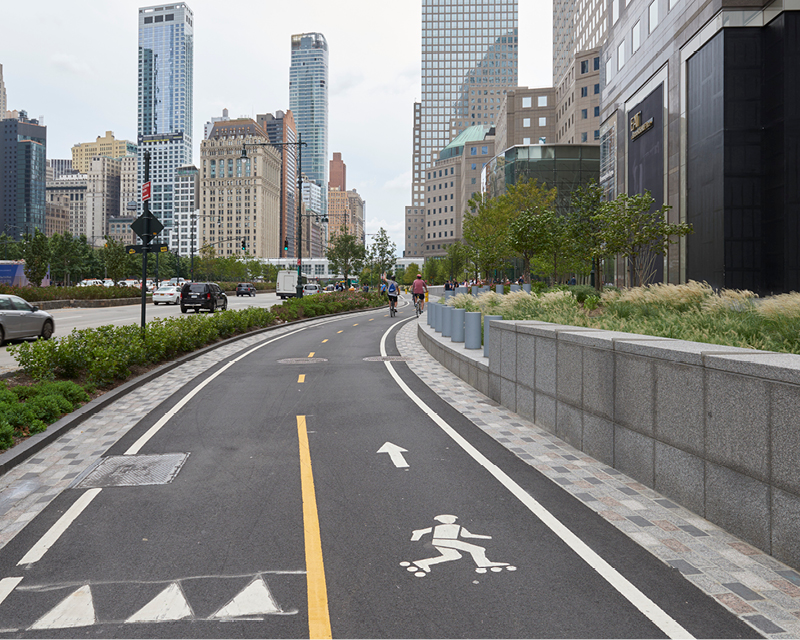
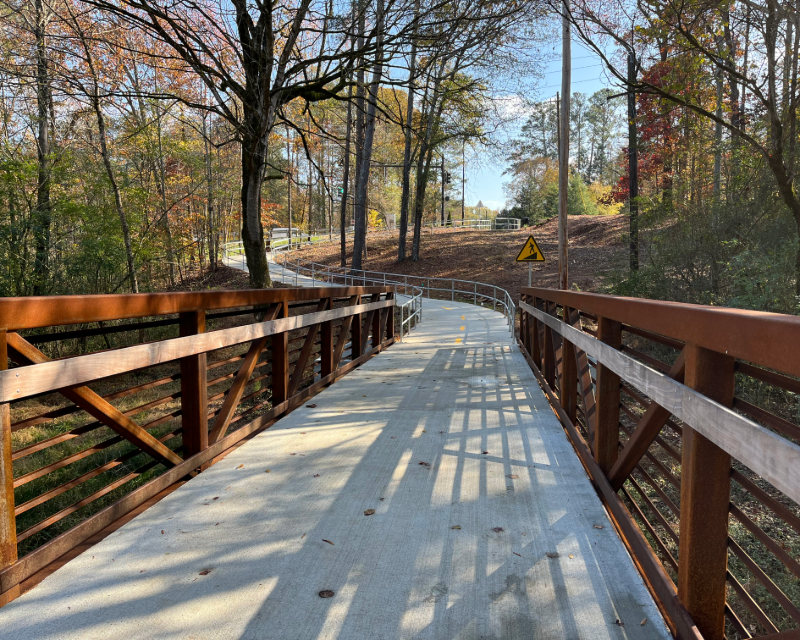
- Pedestrian and bicycle infrastructure, including shared‑use paths, trails, protected bike facilities and safer crossings
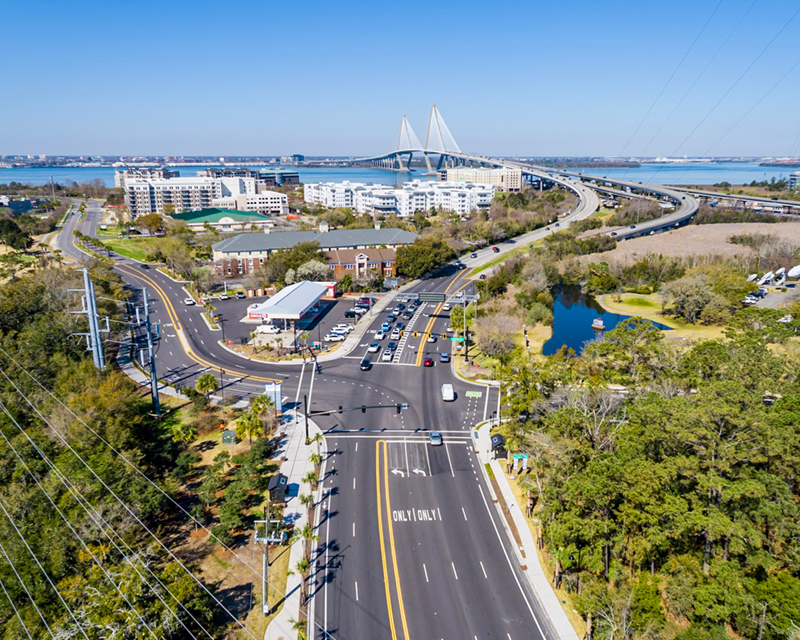
- Multimodal corridor studies that integrate walking and biking with transit, roadway operations and land use
- Pedestrian safety analyses and improvements, from data‑driven studies to final design and implementation
- Safe Routes to School and community connectivity projects that support everyday travel for all ages and abilities
- Context‑sensitive design and public engagement to ensure solutions reflect local needs and priorities
These capabilities are applied across urban, suburban, and rural settings, from dense downtown corridors to regional trail networks and neighborhood streets.
What Sets STV Apart
- People‑first perspective: We design with empathy – considering children walking to school, seniors crossing busy streets, people using mobility devices and commuters seeking reliable alternatives to driving. Accessibility and comfort are foundational, not add‑ons.
- Integrated, multimodal thinking: Active mobility works best when connected. STV links sidewalks, trails, bike facilities, transit stops and roadways into cohesive networks that improve first‑ and last‑mile access and maximize the value of transportation investments.
- Safety‑driven design: We apply proven design strategies and data‑informed analysis to reduce conflicts, slow traffic where appropriate and improve visibility and predictability for all users – delivering measurable safety benefits for communities.
- Accessible community outcomes: Many active mobility investments address historic gaps in access. STV helps clients deliver projects that reconnect neighborhoods, expand transportation choices and support healthier, more inclusive communities.
- From vision to implementation: STV supports clients through every phase – from planning and engagement to design, funding support and delivery – bringing the technical credibility and collaborative mindset needed to turn Complete Streets and active mobility visions into built reality.
Key Services
- Advisory
- Accessibility
- Digital Advisory
- Economic Analysis
- Environmental Services
- Funding & Grant Advisory/Strategy
- Intelligent Transportation Systems & Mobility Technologies
- Resilience
- Design & Engineering
- Civil Engineering
- Conditions Assessments
- Environmental Engineering
- Geotechnical Engineering
- Landscape Architecture
- Structural Engineering
- Surveying
- Utility Coordination
- Utility Design
- Planning & Program Development
- Capital Program Development & Asset Management
- Complete Streets & Active Mobility Planning
- Corridor Studies/Strategy & Project Development
- Economic Analysis
- Environmental Analyses & NEPA
- Multi-Agency Coordination
- Permits & Entitlements
- Placemaking & Urban Land Development
- Project Delivery
- Constructability Reviews
- Construction Management
- Owner's Representative
- Owner’s Project Management
- Program Management
- Project Controls
- REI/CEI
- Value Engineering
Get In Touch