Complete Streets & Active Mobility Planning
Helping Communities Plan Safer, More Inclusive Transportation Networks.
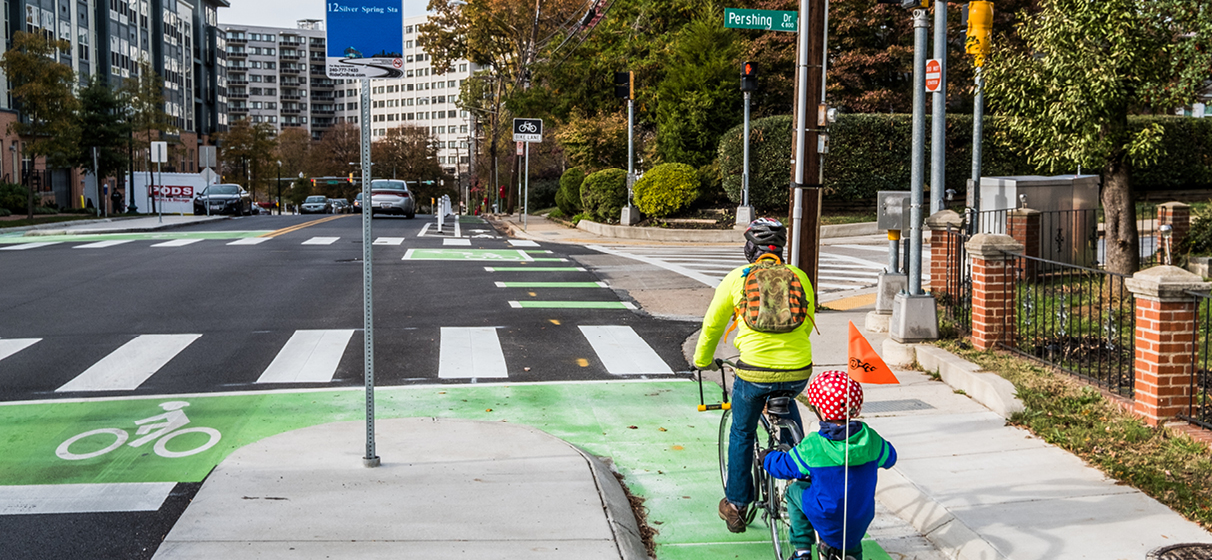
Active mobility and Complete Streets planning helps communities rethink how their streets function – before designs are developed or funding is committed. It focuses on setting clear priorities for walking, bicycling, rolling, and transit; understanding how people move today; and establishing strategies that guide future investment. As public agencies respond to safety goals, climate commitments, equity considerations and changing travel behavior, thoughtful planning is essential to delivering lasting outcomes.
STV supports clients at the front end of this process – helping them define visions, evaluate tradeoffs and build consensus around people‑centered mobility strategies for users of all ages and abilities. Our planning work translates policy goals into actionable frameworks that guide programs, corridors and capital projects, ensuring active mobility and Complete Streets principles are embedded from the start.
STV’s Active Mobility & Complete Streets Planning Capabilities
STV’s active mobility and Complete Streets planning services help clients move from aspiration to implementation:
- Active transportation and Complete Streets plans that establish goals, policies and implementation strategies
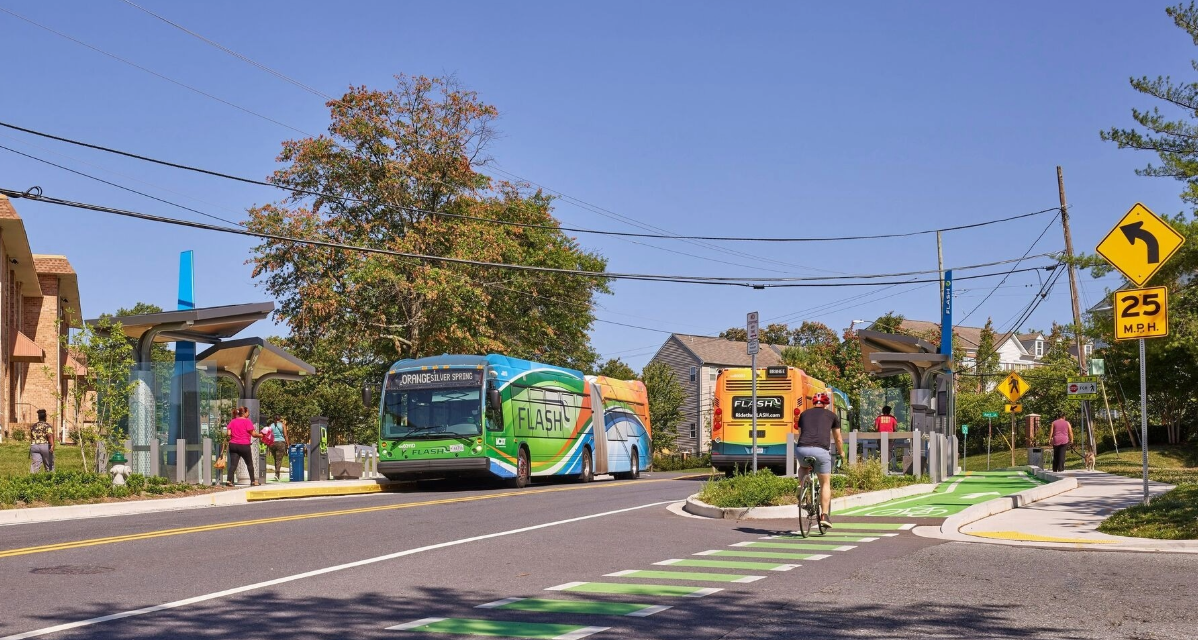
- Multimodal corridor and area studies that balance pedestrian, bicycle, transit and vehicular needs
- Safety‑focused planning analyses, including pedestrian and bicycle needs assessments and prioritization
- Network and connectivity planning for sidewalks, trails, bike facilities and first‑/last‑mile access
- Policy and guideline development, aligning local goals with state, regional and federal frameworks
- Community and stakeholder engagement that builds understanding, trust and shared ownership
These services provide a clear roadmap for agencies seeking to improve safety, access and mobility while making informed, defensible investment decisions.
What Sets STV Apart
- Strategy before solutions: STV helps clients ask the right questions early – clarifying goals, constraints and tradeoffs so that active mobility investments are purposeful, scalable and aligned with broader community priorities.
- Planning grounded in real‑world conditions: Our planners integrate data analysis, on‑the‑ground observation and user experience to ensure recommendations reflect how streets actually function for people walking, biking, riding transit, and driving.
- Integrated multimodal perspective: Active mobility planning does not happen in isolation. STV considers land use, transit service, roadway operations and funding realities together, helping clients develop balanced, implementable strategies.
- Equity‑centered approach: Many planning efforts aim to address historic gaps in access and safety. STV helps clients prioritize investments that improve outcomes for underserved and vulnerable communities while supporting community health and opportunity.
- Clear path to implementation: Our planning work is designed to lead seamlessly into design, funding and delivery. By identifying near‑, mid‑, and long‑term actions, STV helps clients move from plans on paper to projects on the ground.
Get In Touch