North America’s rail transit systems are entering a critical era of investment as agencies advance state-of-good-repair programs, replace aging fleets, modernize signaling and communications infrastructure and deploy technologies that enhance safety, reliability and capacity. As initiatives such as Communications-Based Train Control (CBTC), rolling stock replacements, platform safety upgrades, digital networks and data-driven operations move forward, success depends on strategic planning, disciplined execution and a clear understanding of how complex systems interact within active operating environments.
In this roundtable, Rob Troup, senior vice president and senior program manager at STV, sits down with STV’s Rick Mascara, vice president, CBTC and NextGen signaling; Tara Soesbee, vice president and senior director, rolling stock client engagement; and Dennis Cabigting, engineering specialist, to discuss how transit agencies can modernize legacy rail systems while keeping passengers moving, why integration has become one of the most important considerations in rail delivery and what it takes to build more resilient, future-ready transportation networks.
Rob Troup: Modernization is a priority for transit agencies nationwide, but many systems are several decades old. What makes modernizing an existing rail network so challenging?
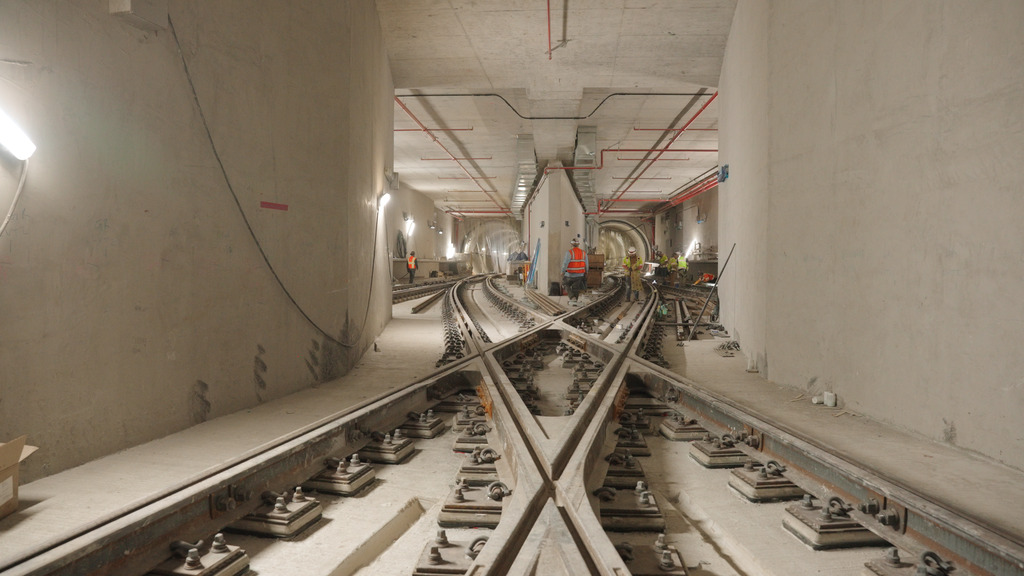
Rick Mascara: The biggest difference between building new infrastructure and modernizing an existing system is that the railroad never stops being mission critical. Riders still expect the same level of safety, reliability and service every day, regardless of how much work is happening behind the scenes. That means modernization can’t be treated as a clean-slate project; it must be planned around an active operating environment where every outage, interface and cutover matters.
When agencies introduce CBTC or other advanced technologies, they’re bringing new capabilities into systems where signaling, communications, vehicles, platform doors, maintenance programs and operating procedures have often evolved over decades. That history is what creates complexity, and it’s why early integration planning and a practical migration strategy are so important. In many cases, the greatest risk isn’t the technology itself. It’s understanding how changes will affect operations, maintenance practices and service delivery across the entire railroad. Agencies that take the time to define those impacts early are often in a much stronger position for implementation.
Dennis Cabigting: Rail networks are complex ecosystems. Vehicles, signaling, power, communications, facilities, maintenance programs and operations are interconnected. A decision in one area often creates implications across the entire system. Agencies that recognize those relationships early are better positioned to reduce risk, strengthen performance and make more informed decisions about how modernization should be phased, prioritized and delivered.
Tara Soesbee: From a vehicle perspective, modernization rarely starts and ends with the fleet. New rolling stock affects signaling systems, platform interfaces, maintenance facilities, power infrastructure and operating procedures.
Another challenge is balancing long-term transformation with day-to-day operations.
Agencies understandably want to realize the benefits of new technologies as quickly as possible. At the same time, I’ve seen firsthand how the most effective modernization programs create a clear path toward the future without compromising the service riders depend on today.
Rob Troup: CBTC is often discussed as a transformative technology for rail systems. What should agencies understand about its implementation?
Rick Mascara: Most agencies are familiar with the benefits of CBTC: increased capacity, greater operational flexibility, improved reliability and enhanced situational awareness. But what is sometimes overlooked is that CBTC is a major systems integration effort that touches vehicles, communications, power, operations, maintenance and the customer experience. The technology has to work every day in normal service, but it also has to be reliable during degraded operating conditions, special events and emergency scenarios.
Agencies also need a clear migration strategy so the new system can coexist with legacy infrastructure while testing, cutovers and operational changes are introduced in manageable steps. The goal is not simply to deploy a new train control system. It’s to ensure the railroad continues operating safely and reliably throughout the transition. It’s giving operators, maintainers and management teams confidence that the transition can occur safely, reliably and without introducing unnecessary operational risk.
Dennis Cabigting: That is why implementation strategy matters so much. Increasingly, our conversations with clients focus on integration planning, migration strategies and operational readiness because those are often the factors that determine long-term project success. Technology readiness is important, but organizational readiness is equally critical. Operating personnel, maintenance teams and project leadership all need a shared understanding of how the system will evolve and what success looks like along the way.
Rob Troup: How closely linked are fleet modernization and signaling modernization efforts?
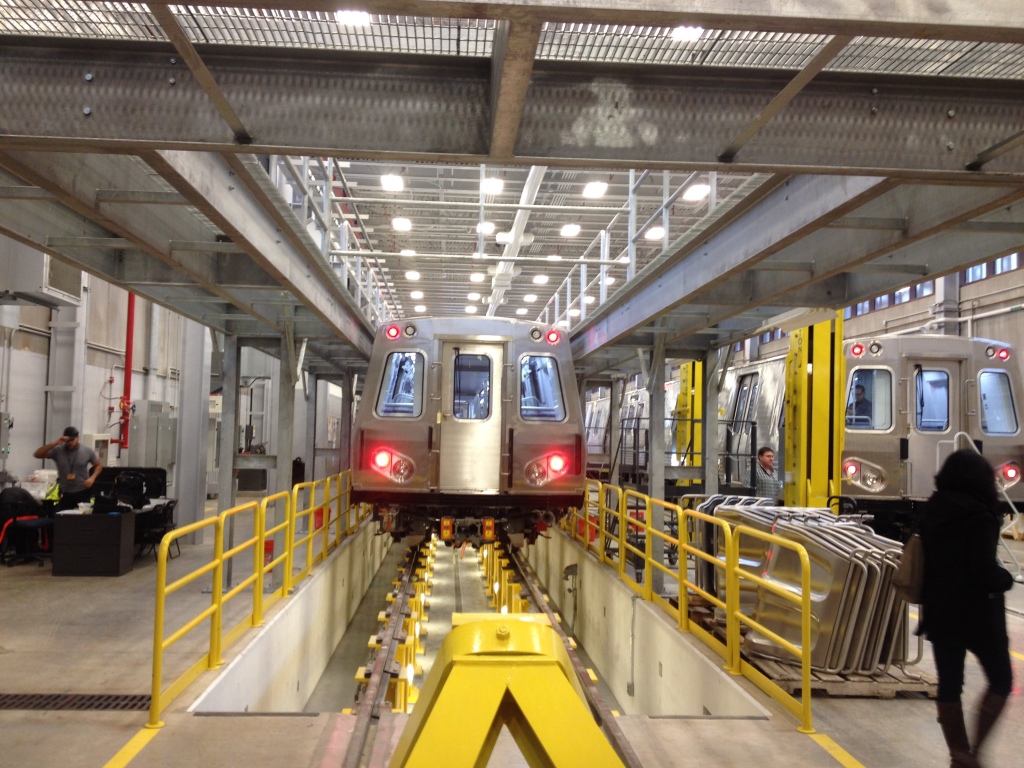
Tara Soesbee: They’re inseparable. New vehicles introduce new onboard technologies, communications capabilities and operational requirements. Those technologies must function seamlessly with existing and future train control systems, whether the agency is maintaining a legacy signaling platform or transitioning to CBTC. The earlier agencies align vehicle procurement, signaling strategy and operational objectives, the more flexibility they have to evaluate alternatives, manage interfaces and avoid costly changes later in the program.
Rick Mascara: I couldn’t agree more. Fleet and signaling modernization must be planned together because the train is one of the most important components of the signaling system. Vehicle decisions influence onboard equipment, communications, braking performance, train positioning, operator interfaces and how the system behaves in both normal and degraded modes. At the same time, signaling decisions can shape vehicle requirements, procurement specifications, testing needs and the overall migration approach. The earlier those conversations occur among the vehicle, signaling and operations and maintenance teams, the more flexibility agencies have and the fewer surprises they encounter later in the program.
Rob Troup: Transit agencies are also exploring technologies such as platform screen doors, advanced communications networks and operational analytics. How do these technologies fit into the modernization conversation?
Rick Mascara: They reflect a broader shift toward more connected, intelligent rail systems. Platform screen doors, advanced communications networks and operational analytics all play an interconnected role in making the system safer, more reliable and easier to manage in real time. For example, platform screen doors depend on precise train stopping, reliable communications and coordinated station operations, while analytics are only valuable if the right data is available and trusted. So, in the modernization conversation, these technologies are really part of a larger systems strategy, not separate add-ons.
Dennis Cabigting: But it’s important to remember that their effectiveness depends on how well they connect with trains, stations, signaling systems, communications infrastructure and operational practices. Modernization programs are increasingly being judged by how seamlessly those systems work together and how smoothly agencies can introduce change without compromising service.
Rob Troup: Brownfield projects often require upgrades to occur while service remains active. Are there lessons learned that agencies should consider early in planning?
Tara Soesbee: Modernization is ultimately a team effort. Operators, maintainers, engineers, project managers and delivery partners each bring a different perspective. The strongest programs create alignment across those groups early, building a shared understanding of objectives, risks and implementation priorities. When that alignment exists, agencies are better equipped to make decisions about phasing, testing, cutovers and operational changes before those decisions become schedule or budget challenges later in the program.
Rob Troup: What does the future of rail modernization look like?
Rick Mascara: Looking ahead, agencies will have access to more data and more sophisticated tools, but the real value will come from using that information to make better decisions day to day. As connectivity improves, those systems will be able to share information faster across trains, wayside equipment, control centers and maintenance teams, making it easier to detect anomalies and identify early warning signs of future failures before they disrupt service. Technologies such as digital twins, advanced communications networks and cybersecurity monitoring will also become more closely tied to signaling and operations because they help agencies understand how the system is performing, where risk emerges and where preventive maintenance should be focused.
Dennis Cabigting: And it’s important to remember that modernization is ultimately about outcomes, not technology. Success isn’t defined by the deployment of a new system. It’s defined by whether agencies can improve reliability, strengthen resilience, maintain service during implementation and create a platform that supports future investment decisions. Agencies don’t have to choose between modernization and operational continuity. With the right strategy, they can achieve both.