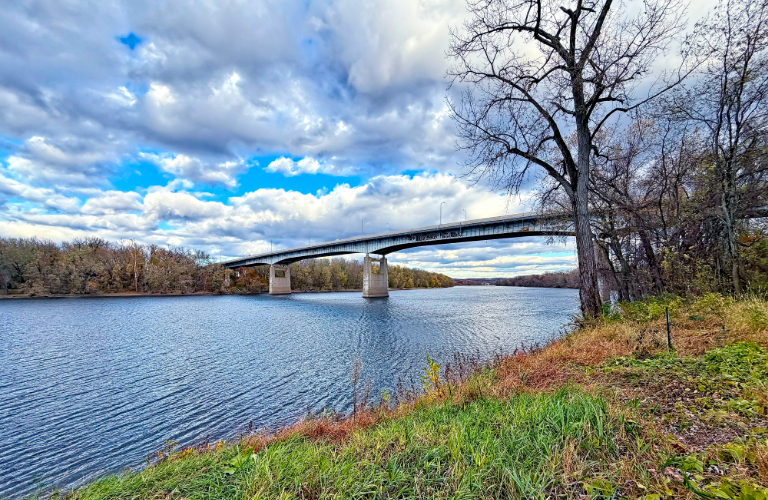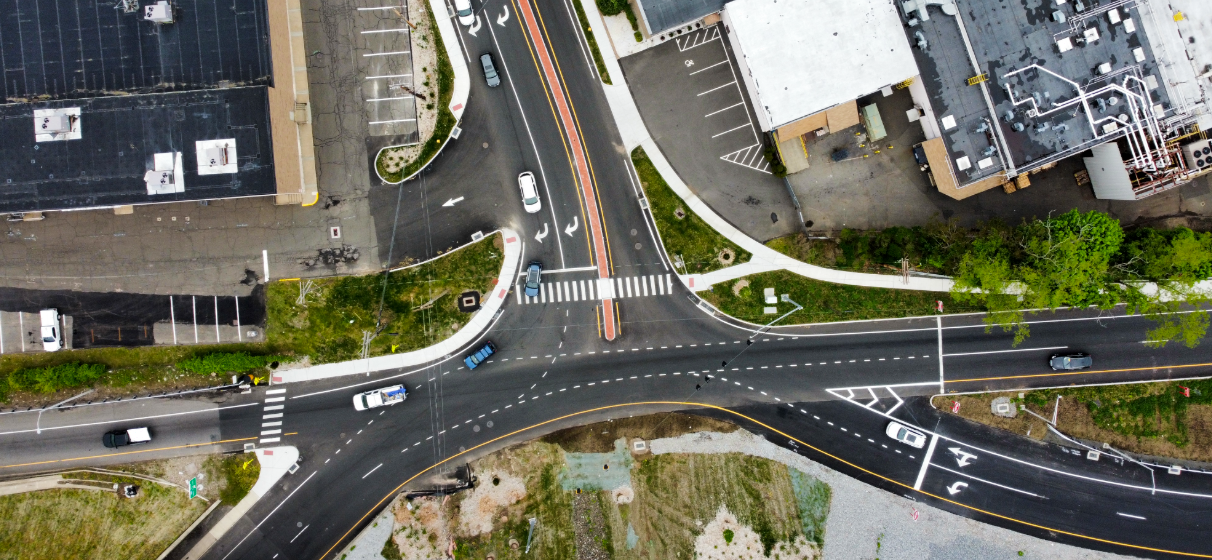
Since the passage of the National Interstate and Defense Highways Act 70 years ago this week, STV has played a key role in planning, designing and delivering Connecticut’s highway and bridge infrastructure. This support – which spans early interchange and corridor improvements in the mid-20th century to today’s complex bridge rehabilitations, highway reconstructions and traffic engineering programs – is highlighted by the firm’s long-standing partnership with the Connecticut Department of Transportation (CTDOT). This relationship has been shaped by continuity, trust and a shared understanding of how individual projects contribute to long-term system performance.
CTDOT’s recent selection of STV for a new, statewide traffic engineering task order further reflects that legacy. The agreement builds on decades of collaboration across Connecticut’s transportation system and positions STV to support CTDOT where planning meets operations – providing traffic analysis, design, simulation and construction-phase assistance that directly influences safety, reliability and mobility on roads statewide.
To discuss what this new assignment represents and how STV’s decades-long relationship with CTDOT has been built across a wide range of roles and project types, we spoke with David Breza, PE, vice president and area manager for Connecticut at STV.
1. The new traffic engineering task order is the latest chapter in a long relationship with CTDOT. What does this contract mean for mobility in Connecticut?
Traffic engineering is very much about the day-to-day performance of the transportation system – how signals operate, how intersections function, how safety improvements are prioritized. CTDOT needs partners who understand the network and local context and can move efficiently from analysis to implementation so operational improvements are delivered quickly and effectively.
Because STV has worked with CTDOT for decades and across so many disciplines, we bring a deep understanding of how traffic operations interact with larger capital programs, bridge work and corridor improvements. That allows us to provide practical, implementable solutions that improve safety and mobility without losing sight of broader corridor objectives, programs and long-term system needs.
2. STV’s Connecticut work spans far beyond traffic engineering. How has that range of services shaped how the team supports CTDOT?
One of the defining aspects of our relationship with CTDOT is the variety of roles we’ve played over time. We’ve supported the agency through traditional planning services, design services, construction engineering and inspection (CEI) and program management, as well as advisory and operational work often working side by side with CTDOT staff and other delivery partners.
That depth creates continuity. When you’re involved in a project or corridor from early planning and design through construction – or across multiple phases over many years – you build institutional knowledge that directly benefits the client. CTDOT doesn’t have to reintroduce policies, procedures, program history or priorities every time a project advances to a new stage. That consistency reduces risk, supports better decision-making and helps maintain momentum as projects move forward.
3. Bridge rehabilitation and highway reconstruction have been cornerstones of STV’s work in Connecticut. What are some projects that reflect that legacy?
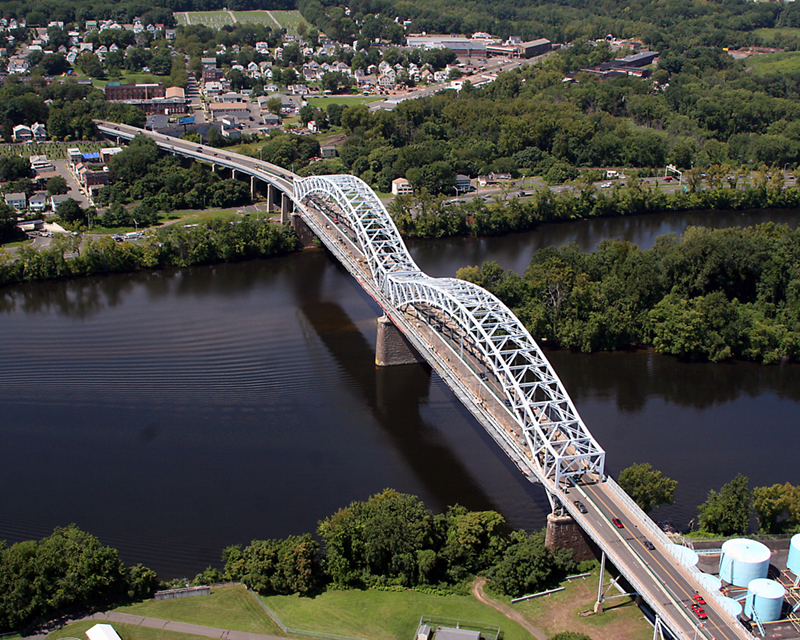
The Arrigoni Bridge Rehabilitation is a great example. As design engineer, STV worked to extend the service life of a historic Connecticut River crossing while improving safety, structural performance and multimodal mobility for the communities that rely on it daily. Projects like that require balancing modern engineering standards with preservation and community expectations – a balance that’s informed by experience and local knowledge.
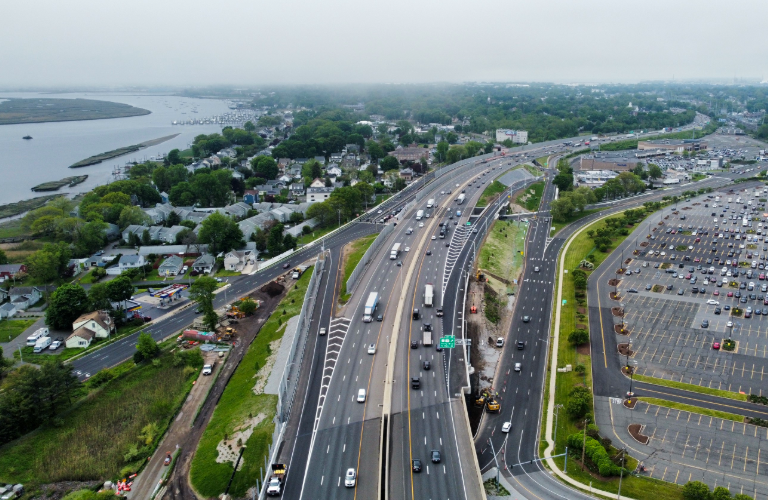
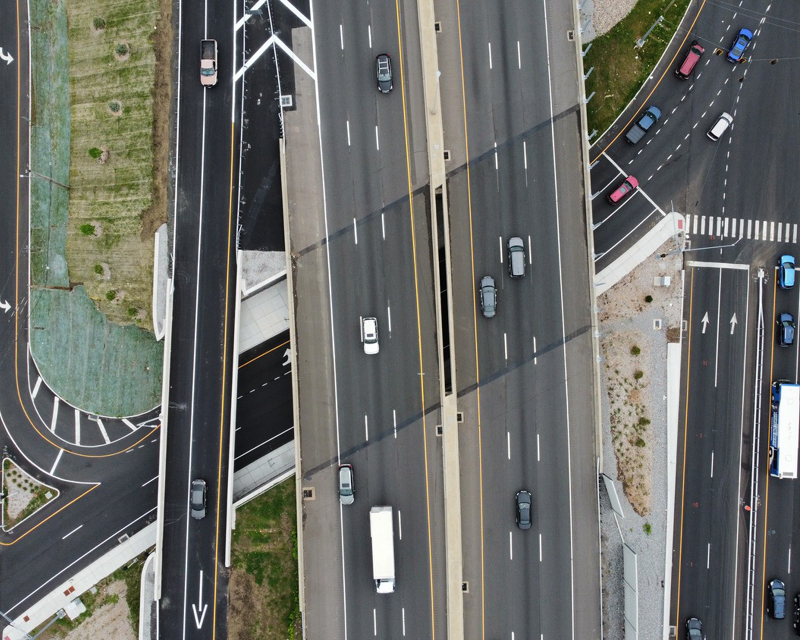
I‑95 Interchange 33 is another milestone project. Its design consisted of innovation and opportunity to use new technology and advanced materials, located along Connecticut’s busiest highway corridor. Success depended not just on highway, bridge and traffic engineering, but on construction staging, coordination and minimizing disruption for motorists and surrounding communities while keeping traffic moving throughout construction. That kind of coordination is essential on high-volume corridors like I-95 and was a successful completion of a complete diamond-interchange project that benefited the community.
4. Many of CTDOT’s most challenging projects are part of broader corridor programs. How does STV approach that level of complexity?
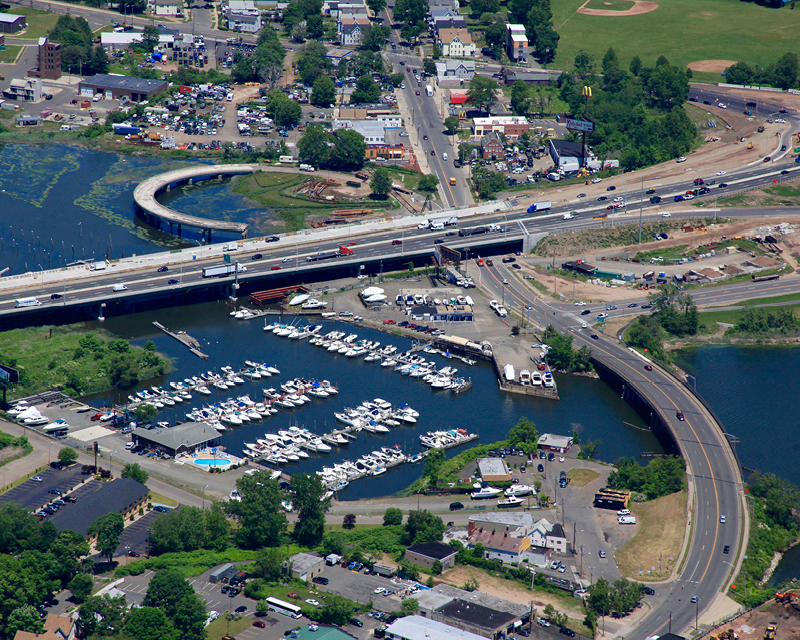
Corridor programs demand a systems mindset. The West River Bridge replacement in New Haven, for example, is one piece of a much larger effort to modernize aging infrastructure along the I‑95 corridor and ultimately serves as an approach to the Pearl Harbor Memorial Bridge Program. Bridge delivery can’t happen in isolation; it has to align with traffic operations, construction coordination and sequencing and long-term mobility goals across the entire corridor to avoid unintended impacts elsewhere in the system.
Because STV has supported CTDOT on similar corridor initiatives over many years, including Route 8 and I-84, we understand how individual assets fit into the broader network. That helps us develop solutions that are constructible, operationally sound and future-proofed, rather than solving one problem at the expense of another or creating downstream challenges that could affect corridor performance.
5. How does the new traffic engineering task order complement STV’s long history with bridge and highway programs?
Traffic engineering is a natural extension of our role in Connecticut. While bridges and highways are the most visible pieces of infrastructure, traffic operations are what people experience every day. Signal timing, signage, pavement markings, ITS and safety enhancements all play a significant role in how well the system functions on a daily basis from the driver’s perspective, ultimately improving the driver’s experience and safety of our roadway network.
This task order allows us to support CTDOT at the operational level while also drawing on decades of experience delivering capital projects. That combination helps ensure traffic solutions are informed by constructability, long-term maintenance and future corridor plans.
6. Looking ahead, how would you describe the evolution of STV’s partnership with CTDOT?
The relationship has evolved from individual assignments to a system-level partnership in highway, bus and rail. Early on, STV supported CTDOT on specific interchanges and corridors. Over time, that grew into multifaceted involvement across planning, design, construction support and program management, and now into traffic operations and statewide task-based services for Public Transportation and Office of Rails that address immediate needs and long-term priorities across Connecticut’s transportation network.
What has stayed constant is a shared commitment to keeping Connecticut moving safely and reliably. Whether we’re rehabilitating a landmark bridge, reconstructing a major interchange or improving traffic and rail operations, our role is to help CTDOT deliver infrastructure that serves the state today while positioning the system for the future and for generations to come through thoughtful, coordinated delivery.